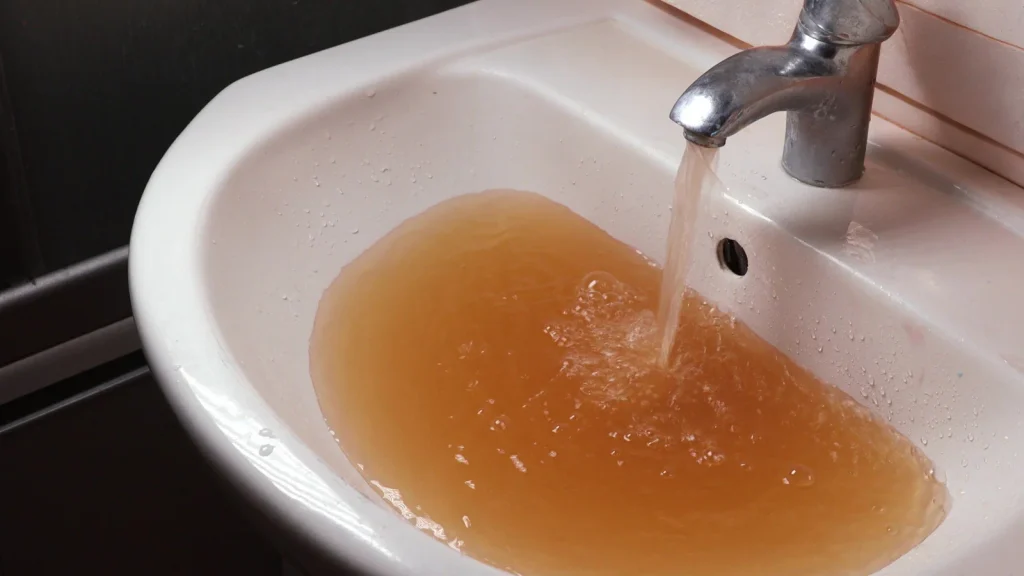
Few domestic nuisances frustrate homeowners and property managers quite like opening a dishwasher or inspecting a freshly laundered load of white linens only to find rusty orange streaks or dark, charcoal-colored smudges. When tap water leaves persistent discoloration on porcelain sinks, coats plumbing fixtures in stubborn scale, or delivers a sharp metallic tang reminiscent of sucking on a rusty nail, dissolved minerals are almost invariably at play. Specifically, iron and manganese rank among the most pervasive nuisance contaminants found in private well systems and aging municipal infrastructures across North America.
While neither element typically poses an acute health hazard at standard concentrations found in domestic water systems, their aesthetic, mechanical, and operational impacts are severe. Left unaddressed, these metals corrode pipes, ruin appliances, foster biological biofilm accumulation, and render household water unpalatable. Resolving these challenges requires an understanding of their underlying water chemistry, how chemical states dictate filtration methods, and the precise diagnostic steps required before investing in remediation hardware. Exploring our water quality fundamentals guide provides essential baseline information on how mineral ions interact with municipal and private water supplies.
The Chemistry of Subsurface Minerals: How Iron and Manganese Enter Water
Iron and manganese are naturally abundant elements composing significant percentages of the Earth’s crust. As rainwater percolates downward through soil layers and permeable rock strata, it encounters decomposing organic matter. This biological decomposition consumes dissolved oxygen and releases carbon dioxide, creating an acidic, reducing (oxygen-poor) subsurface environment. Under these subterranean conditions, insoluble oxidized minerals dissolve into groundwater as soluble, reduced divalent cations: ferrous iron (Fe2+) and manganous manganese (Mn2+).
Because these divalent states are completely soluble in water, well water drawn directly from deep aquifers frequently emerges sparkling clear. However, the moment this water is pumped to the surface, passes through aerators, or contacts ambient air, a rapid thermodynamic shift occurs. Exposure to atmospheric oxygen or chemical oxidizers converts reduced ions into insoluble trivalent ferric iron (Fe3+) and tetravalent manganese (Mn4+), producing visible, suspended particulate precipitates.
Secondary Drinking Water Standards
Because their direct physiological effects at modest concentrations are largely secondary to their aggressive aesthetic consequences, the United States Environmental Protection Agency classifies both elements under National Secondary Drinking Water Regulations (NSDWRs). These non-enforceable cosmetic and aesthetic guidelines establish recommended maximum contaminant levels:
- Iron: 0.3 milligrams per liter (mg/L or parts per million [ppm])
- Manganese: 0.05 mg/L (ppm)
Even at fractions of these thresholds—concentrations as low as 0.1 mg/L for iron and 0.02 mg/L for manganese—attentive homeowners will notice localized staining, tea discoloration, and altered culinary flavors. While municipal systems manage broad environmental parameters alongside compliance with the EPA Radionuclides Rule for drinking water, individual property managers and private well owners must independently monitor and mitigate secondary aesthetic contaminants.
Aesthetic and Mechanical Symptoms: Stains, Tastes, and Fixture Damage
The sensory and physical footprints of iron and manganese vary significantly depending on mineral concentrations, pH balance, and whether the elements exist in clear-water, particulate, or organic forms.
Visual Staining Patterns
The distinct coloration left on fixtures serves as the primary diagnostic clue for homeowners:
- Ferrous and Ferric Iron: Leaves characteristic reddish-orange, yellow, or deep rust-brown residue. It coats acrylic shower walls, discolors toilet bowls along the water line, and permanently ruins cellulose-based fabrics during laundry cycles when chlorine bleach inadvertently accelerates oxidation.
- Manganese: Precipitates as pitch-black, dark purple, or brownish-gray flakes and films. It commonly manifests as ink-like streaks across porcelain, greasy residues inside toilet flush tanks, and dark spotting on silverware washed in automatic dishwashers.
- Combined Mineral Loads: When both metals occur simultaneously, fixtures display dark bronze or mottled reddish-black rings that resist standard surfactant bathroom cleaners.
Flavor and Odor Alterations
Dissolved iron imparts a distinctly astringent, metallic, or coin-like flavor to drinking water, sharply degrading the taste of brewed coffee, herbal teas, and clear spirits. Starches such as rice, pasta, and potatoes cooked in iron-heavy water turn greyish or dark. Manganese produces a bitter, oily, or medicinal taste profile. At higher concentrations, it leaves a tactile astringency on the palate that discourages routine hydration.
Mechanical Fouling and Pressure Loss
Beyond cosmetic frustration, the mechanical impact of mineral precipitation inside distribution piping is progressively destructive. As oxidized precipitates settle along the interior walls of galvanized steel or copper pipe networks, they build restrictive scale layers known as tuberculation. This restricts volumetric flow, reduces static line pressure, and forces pressure tanks and well pumps to cycle continuously. Furthermore, mineral accumulation destroys water heater elements, fouls solenoid intake valves in laundry machines, and creates thermal insulation blankets inside hot water tanks, drastically degrading thermal efficiency.
Diagnostic Classification: Identifying the Four Forms of Metal Contamination
One of the costliest mistakes a property owner can make is purchasing water treatment equipment without identifying the chemical phase of the minerals. Iron and manganese manifest in four distinct states, each demanding fundamentally different filtration physics:
- Clear-Water (Dissolved/Reduced): Water emerges perfectly transparent from the faucet. If left undisturbed in a clear glass pitcher for 20 to 60 minutes, exposure to oxygen causes the sample to turn cloudy, yellow, or visibly flecked with settled rust or black dust.
- Red-Water or Particulate (Oxidized): Water emerges from the tap already cloudy, tinted orange, red, brown, or black. The minerals oxidized inside the well casing, pressure vessel, or primary plumbing lines before reaching the point of discharge.
- Organic-Bound or Colloidal: Extremely small mineral particles bind tightly to naturally occurring organic tannins, fulvic substances, or humic acids leached from decomposing surface vegetation. The water typically carries a faint yellowish or tea-colored hue that does not separate or settle out upon prolonged standing.
- Bacterial Iron and Manganese: Soil-dwelling bacteria such as Gallionella, Crenothrix, and Leptothrix utilize dissolved iron and manganese as energy sources. These organisms secrete thick, slimy organic sheaths that accumulate as stringy, gelatinous rust-red or black mats inside toilet storage tanks, pump intakes, and distribution manifolds. They frequently generate a foul, swampy, or rotten-vegetation odor.
Rigorous Water Testing: The Prerequisite for Capital Investment
Installing filtration infrastructure based solely on visual inspection is a recipe for system fouling and financial waste. A comprehensive laboratory analysis must quantify dissolved metals alongside secondary water chemistry parameters that dictate equipment functionality.
Crucially, effective remediation depends heavily on water pH, dissolved oxygen levels, temperature, hardness, and total dissolved solids (TDS). For example, oxidizing catalytic filter media such as Birm or manganese greensand require strict minimum pH ranges (typically above 6.8 for iron and above 8.0 for manganese) to precipitate metals out of solution. In urban environments, property managers seeking compliance or resolving legacy pipe leaching often arrange apartment building water testing in NYC to isolate structural plumbing degradation from incoming municipal utility mineral loads.
Testing protocols should also differentiate between simple mineral scaling and microbial biofouling. If gelatinous sludge is discovered beneath the flapper valve of a toilet reservoir, testing for iron-related bacteria (IRB) via biological activity reaction tests (BART) is vital before specifying physical media. In catastrophic situations where water systems experience contamination or compromise alongside high particulates, technicians cross-reference general standards with established EPA emergency disinfection procedures to scrub biological biofilms from deep well casings.
Engineering Solutions: Treatment and Remediation Methodologies
Remediating dissolved and particulate metals requires tailored mechanical, ionic, or chemical intervention. The following engineering strategies represent modern residential and light-commercial water treatment standards.
1. Ion-Exchange Water Softening
Standard cation-exchange water softeners, typically installed to remove calcium and magnesium ions, can successfully capture dissolved, ferrous iron and manganous manganese via exchange mechanics. Positively charged metal cations displace sodium or potassium ions bound to polystyrene resin beads.
- Application Window: Effective for low-to-moderate concentrations—generally up to 3.0 to 5.0 mg/L of dissolved clear-water iron and less than 1.0 mg/L of dissolved manganese.
- Operational Risks: If trace oxygen enters the brine tank or resin vessel, the metals oxidize in place, coating the microscopic pores of the softening resin. This causes irreversible fouling. Routine maintenance using specialty resin cleaning additives, such as sodium hydrosulfite or citric acid flushes, is mandatory to preserve exchange capacity. Softeners cannot remediate oxidized particulate or organic-bound forms.
2. Catalytic Oxidizing Filtration Media
Catalytic media systems utilize specialized mineral or synthetic granular beds that convert dissolved metals into insoluble particulates directly on the grain surface, subsequently trapping them within the bed for discharge during automated backwash cycles.
- Manganese Greensand and GreensandPlus: Greensand is coated with manganese dioxide, acting as an active electron exchange catalyst. GreensandPlus uses a silica core with a chemically bonded manganese dioxide coating, offering greater tolerance to low-dissolved-silica waters and elevated operating temperatures. These systems periodically draw potassium permanganate or sodium hypochlorite to regenerate their catalytic oxidizing capacity.
- Birm: An insoluble granular filter media acting strictly as a catalyst between dissolved oxygen and soluble iron compounds. It requires no chemical regenerant, relying instead on clean, regular water backwashes. However, Birm requires water with zero hydrogen sulfide, negligible oil or organic content, dissolved oxygen levels equal to at least 15% of the total iron concentration, and a strictly regulated pH (above 6.8 for iron, above 8.0 to 8.5 for manganese).
- KDF-85 (Kinetic Degradation Fluxion): A high-purity copper-zinc granular formulation that utilizes redox (reduction-oxidation) chemistry to oxidize iron and hydrogen sulfide, often positioned as a pre-treatment stage ahead of softening or carbon filtration.
3. Chemical Injection Followed by Mechanical Filtration
When raw water contains iron and manganese levels exceeding 8.0 to 10.0 mg/L, or when organic-bound metals and aggressive bacterial slimes are confirmed, catalytic media beds foul prematurely. In such severe contexts, chemical feed pumps represent the gold standard.
A positive-displacement chemical injection pump feeds an oxidizer—most commonly sodium hypochlorite (household bleach) or hydrogen peroxide—into the raw water line upstream of a retention retention contact tank. The oxidant rapidly strips electrons from the dissolved metals, converting them into heavy solid flocculants while simultaneously destroying iron bacteria colonies. Following a calculated contact detention period (typically 15 to 20 minutes), the water passes through an aggregate media filter, such as catalytic carbon, multimedia, or NextSand, which captures the precipitated solids. An activated carbon stage downstream absorbs any residual unreacted chlorine, restoring clean aesthetic quality throughout the property.
4. Aeration Systems
For operations aiming to minimize continuous chemical consumables, compressed-air aeration or natural-draft cascading aeration introduces atmospheric oxygen into the raw water stream. Air injection oxidizes the ferrous iron into insoluble ferric hydroxide. Compressed-air systems typically maintain an air bubble pocket inside the upper quadrant of a specialized filter tank, oxidizing the metals just before the water hits a mechanical filtration bed. Aeration is environmentally benign and economical, though manganese oxidizes much more slowly via atmospheric oxygen alone than iron does, frequently requiring supplemental catalytic assistance.
5. Sequestering via Polyphosphates
For low concentrations of iron and manganese (rarely exceeding 1.0 to 2.0 mg/L of iron and 0.3 mg/L of manganese), food-grade polyphosphate chemical sequestering can serve as an economical, non-extractive band-aid. Dispensed via inline cartridge feeders, polyphosphates do not remove the minerals from the water stream. Instead, they form coordination complexes around the dissolved Fe2+ and Mn2+ ions, stabilizing them chemically to block oxidation upon contact with air or modest heat. This prevents localized red or black staining in cold water supplies, though high temperatures inside water heating appliances can break the polyphosphate bond, permitting uncontrolled precipitation.
Comparative Assessment of Remediation Strategies
To assist building operators and private well owners in evaluating remediation hardware, the following structured breakdown summarizes performance profiles, operating windows, and limitations across core treatment technologies:
- Ion Exchange Softening:
- Target Contaminants: Clear-water (dissolved) iron (< 3 mg/L) and manganese (< 0.5 mg/L).
- Prerequisites: Total absence of dissolved oxygen in the incoming raw water; low raw turbidity.
- Limitations: Resin beds rapidly foul if exposed to particulates or oxidizing chemicals; regular acid-based chemical resin cleans are mandatory.
- Catalytic GreensandPlus / Birm Filters:
- Target Contaminants: Dissolved iron up to 10 mg/L; manganese up to 3 mg/L.
- Prerequisites: Minimum pH of 6.8 to 7.2 for iron; minimum pH of 8.0 to 8.5 for manganese; adequate backwash flow rate.
- Limitations: Ineffective against organic-bound minerals; sensitive to organic tannins and heavy biofilm growth.
- Chlorine or Peroxide Injection + Depth Filtration:
- Target Contaminants: Extreme metal loads (10 to 30+ mg/L); iron and manganese bacteria; organic-bound complexes.
- Prerequisites: Adequate space for dedicated retention contact vessels; access to recurring chemical consumables.
- Limitations: Requires ongoing maintenance of chemical dosing heads, residual monitoring, and filter backwash servicing.
- Sub-Micron and Membrane Separation:
- Target Contaminants: Colloidal suspended particulates and post-oxidation residuals.
- Prerequisites: Rigorous upstream pre-filtration to prevent physical membrane fouling.
- Limitations: Direct application to raw water high in dissolved metals results in rapid membrane scale formation and premature failure.
Health Considerations and Contemporary Water Research
Historically dismissed purely as aesthetic nuisances, both metals—and manganese in particular—have drawn renewed evaluation from environmental toxicologists. While iron remains strictly an aesthetic concern for the vast majority of consumers (excluding individuals with hereditary hemochromatosis, a genetic disorder causing excessive systemic iron absorption), chronic high-dose exposure to manganese via drinking water has sparked scientific scrutiny.
Emerging neurological research suggests that elevated concentrations of dissolved manganese (exceeding 0.3 mg/L) may act as a neurotoxin, particularly to developing infants and children. Studies have linked chronic juvenile consumption to cognitive deficits, behavioral alterations, and reduced memory retention. Because infant digestive tracts absorb manganese with greater efficiency while exhibiting immature biliary excretion pathways, public health agencies increasingly caution against preparing infant formula with untreated water that surpasses aesthetic thresholds.
Those seeking authoritative information on broader municipal safeguards and federal contaminants can review comprehensive drinking water safety resources alongside recent EPA guidelines on PFAS in drinking water to assess cumulative water quality parameters. For households or facilities exhibiting elevated metal burdens, consulting licensed healthcare practitioners or pediatricians regarding specific consumption risks is a prudent health precaution.
Best Practices for Homeowners and Facility Managers
Remediating iron and manganese requires a methodical engineering approach rather than trial-and-error hardware installations. Achieving dependable, stain-free, pristine water involves following a disciplined sequence of operational steps:
- Perform a Tier-One Laboratory Panel: Test incoming water directly at the source (prior to any pressure tanks or existing treatment equipment). The panel must report total iron, dissolved iron, total manganese, dissolved manganese, pH, oxidation-reduction potential (ORP), hardness, tannins, and total dissolved solids.
- Inspect Cold Storage Reservoirs: Remove the lid from your toilet tanks. Rub the interior ceramic surfaces below the water line. If the residue is slippery, slimy, or releases stringy red-brown fibers, treat for iron-related bacteria before sizing a catalytic filter.
- Verify Pipe Materials: Older homes featuring internal galvanized iron distribution piping may produce orange water exclusively from localized pipe corrosion rather than aquifer contamination. Compare raw well samples with point-of-use tap water to confirm where the metals originate.
- Calculate Hydraulic Backwash Parameters: Media filters require substantial backwash flow rates to lift and scrub dense catalytic beds (often 5 to 12 gallons per minute per square foot of bed surface area). Ensure your well pump and pressure system can deliver the requisite volumetric flow, or the filter bed will pack down, channel, and fail prematurely.
- Establish a Routine Maintenance Schedule: Test your water quality annually to track fluctuating groundwater chemistry. Replace pre-filter cartridges, monitor regenerant brine or chemical solution tanks monthly, and regenerate mineral exchange sites as recommended by equipment manufacturers.
Whether you manage a multi-family complex dealing with chronic valve clogs or own a rural homestead wrestling with rust-stained porcelain, eliminating these troublesome minerals is entirely feasible through sound diagnostic planning and targeted filtration engineering. For complex site assessments or tailored system designs, feel free to contact us or browse the latest insights available on the Water Quality Journal.