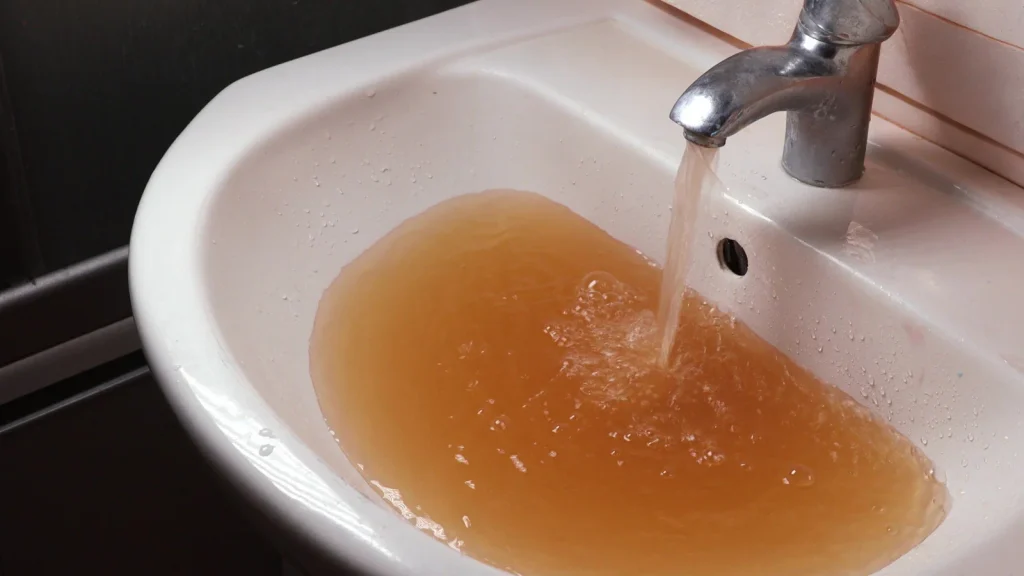
Installing a domestic water filtration setup provides immediate peace of mind, yet the physical media inside those canisters does not last indefinitely. Water filter cartridges function as physical barriers, chemical absorbers, and electro-kinetic traps. Every gallon of municipal tap or well supply moving across the bed consumes a fractional portion of its adsorption surface or clogs pore networks. When homeowners fail to establish a strict replacement schedule, those saturated barriers degrade, shifting from protective purification devices into liabilities that harbor microbial bio-films or release captured pollutants back into the plumbing stream.
Understanding when and why to swap your filter elements requires looking beyond generic packaging guidelines. Water chemistry varies across geographic regions, plumbing architectures, and seasonal weather patterns. For readers exploring foundational concepts, our Water Quality Journal offers dedicated resources on filtration mechanics, system configurations, and routine home testing strategies. Establishing a preventative maintenance routine protects your plumbing hardware, safeguards your household, and ensures that the water pouring into your glass meets strict purification standards day after day.
The Hidden Mechanics of Cartridge Depletion
Water filters rely on mechanical exclusion, chemical adsorption, ion exchange, or catalytic reduction. Each mechanism responds differently to sustained exposure to particulate matter and dissolved minerals. In mechanical filtration, sediment cartridges capture suspended rust, clay, silt, and pipe scale. Over time, these suspended solids block the microscopic pores between the spun polypropylene fibers. As pore pathways close off, water pressure drops across the cartridge housing, straining upstream fixtures and starving downstream appliances.
Chemical adsorption operates on a distinct thermodynamic principle. Activated carbon media—whether granular activated carbon (GAC) or extruded solid carbon blocks—attract volatile organic compounds (VOCs), pesticides, pharmaceutical residues, and chlorine disinfection byproducts. The interior structure of activated carbon features millions of microscopic fissures and pores, yielding immense internal surface area. However, that surface area is finite. Once target molecules occupy all available chemical binding sites, the carbon reaches dynamic equilibrium. Beyond this saturation threshold, breakthrough occurs: newly introduced contaminants pass straight through the exhausted cartridge unchecked.
In extreme scenarios of severe cartridge neglect, competitive desorption can occur. Contaminants with higher molecular binding affinity can displace previously captured, weaker-binding chemicals. This forces a concentrated surge of displaced toxins into your tap water at levels higher than the incoming untreated municipal stream. To better understand how raw source water characteristics influence this adsorption rate, consult our water quality fundamentals guide for detailed technical context.
Cartridge Replacement Schedules by Filter Type
Because filtration systems utilize distinct physical stages to tackle varying chemical burdens, replacement intervals differ substantially by media classification. Applying a single arbitrary timeline across all units in your home leads to either premature waste or dangerous cartridge exhaustion.
1. Sediment Pre-Filters (Spun Polypropylene, Pleated Polyester, String-Wound)
Sediment pre-filters serve as sacrificial shields, protecting expensive downstream carbon stages and reverse osmosis membranes from rapid clogging. In typical municipal setups, standard 5-micron or 10-micron sediment cartridges demand replacement every 3 to 6 months. However, homes fed by private wells containing high turbidity, sand, or iron sediment may need fresh cartridges every 4 to 8 weeks. If you notice a visible discoloration transitioning from cream to dark amber, or a sudden 15% drop in dynamic line pressure, inspect and replace the element immediately.
2. Activated Carbon Blocks & Granular Activated Carbon (GAC)
Carbon cartridges target aesthetic issues like chlorine taste and odor, while certified blocks neutralize chloramines, trihalomethanes (THMs), and synthetic organic chemicals. Standard under-sink and whole-house carbon filters generally operate effectively for 6 to 12 months, or roughly 500 to 1,000 gallons of treated volume for standard residential units. Because carbon exhaustion is chemically invisible—meaning water often remains clear even when adsorption stops—tracking volumetric gallon ratings or changing the unit at the 6-month mark is critical to avoid volatile chemical exposure.
3. Reverse Osmosis (RO) Semi-Permeable Membranes
Unlike disposable cylindrical cartridges, thin-film composite (TFC) reverse osmosis membranes feature sub-nanometer pore ratings capable of rejecting dissolved inorganic solids, nitrates, arsenic, fluoride, and heavy metals. Operating under continuous cross-flow filtration where wastewater flushes away rejected salts, RO membranes enjoy extended operational longevity of 24 to 36 months. Their lifespan relies heavily on the diligent replacement of upstream sediment and carbon cartridges; unmanaged chlorine or sediment buildup can permanently destroy the delicate polyamide sheet within weeks.
4. Gravity Countertop and Pitcher Filters
Pour-through gravity filters utilize smaller, blended beds containing activated carbon and ion-exchange resin beads. Due to their compact dimensions, lower total media mass, and lack of line pressure, these cartridges exhaust quickly. Most standard pitcher filters require replacement every 2 months or 40 gallons, while heavy-duty gravity countertop elements should be swapped every 6 to 12 months depending on daily family consumption volume.
5. Refrigerator In-Line Water and Ice Dispensers
Integrated refrigerator filters are compact carbon blocks engineered primarily for chlorine and sediment reduction. Major appliance manufacturers universally recommend replacement every 6 months. Warm internal refrigerator mechanisms and fluctuating internal line pressure create humid environments where neglected cartridges can experience significant internal microbial growth over extended durations.
6. Specialty Media: Iron Reduction, Calcite Remineralizers, and Kinetic Degradation Fluxion (KDF)
Specialty cartridges address localized geographic anomalies such as heavy dissolved iron, acidic low-pH water, or elevated hydrogen sulfide sulfur odors. Calcite dissolution filters slowly dissolve calcium carbonate into the stream to balance acidity; these cartridges need visual inspection and media replenishment every 6 to 12 months. Catalytic media and copper-zinc KDF cartridges usually sustain active oxidation-reduction performance for 12 to 24 months before active surface passivation occurs.
Critical Variables That Accelerate Media Exhaustion
Manufacturer ratings listed on filter boxes assume idealized baseline parameters: clean, moderately soft municipal water tested at standardized laboratory flow rates and temperatures. Real-world operating conditions diverge sharply from laboratory benchmarks, introducing compounding factors that accelerate media failure.
- Source Water Turbidity and Particulate Burden: Heavy seasonal rainfall can wash suspended sediments into municipal reservoirs, while private wells often draw variable levels of sand, pulverized rock, and clay during dry summer water table drops.
- Chemical Disinfection Protocols: Municipal water providers utilizing chloramines (a bonded mixture of chlorine and ammonia) impose a much heavier chemical burden than those using standard free chlorine. Chloramines break down far more slowly, requiring specialized catalytic carbon and significantly shortened change-out intervals.
- Household Consumption Volume: A single occupant using 30 gallons of treated drinking water monthly will place far less demand on a filter than a six-person household generating 250 gallons of combined drinking, cooking, and pet hydration volume across the same timeline.
- Legacy Pipe Infrastructure: Homes connected through aging iron mains or lead service lines suffer regular spikes in sloughed iron rust and heavy metal flaking. For comprehensive analysis of these specific hazards, review our guide to water quality in older buildings to identify structural risks inside historical plumbing networks.
- Water Hardness and Scaling: Water carrying excessive dissolved calcium and magnesium carbonates forms hard scale deposits over internal filter fabrics, blinding pores prematurely regardless of whether the adsorption media is chemically exhausted.
The Physical and Chemical Risks of Overdue Cartridges
Delaying cartridge replacement may seem like a harmless way to cut household expenses, but continuing to run water through exhausted media introduces distinct structural, sanitary, and chemical hazards into your living environment.
The primary sanitary threat is bacterial colonization, commonly known as heterotrophic plate count (HPC) proliferation. Water filter cartridges remove residual chlorine and chloramines from incoming tap water. Once that chemical disinfectant is stripped away, the downstream housing becomes an unchlorinated, dark, damp chamber kept at room temperature. Carbon surfaces collect organic compounds, providing a nutrient-rich foundation for non-pathogenic bacteria, mold spores, and aquatic bio-films to flourish. While many heterotrophic bacteria are benign, high microbial densities can alter water taste, create persistent foul odors, and pose gastrointestinal risks to immunocompromised individuals.
A second severe threat is structural failure and pressure channeling. As suspended sediment packs tightly into the depth layers of a filter, differential pressure across the core rises. This localized hydrostatic force can compress the filter media or create micro-tears along bonded seam lines. Once a channel opens, untreated water flows freely through the rupture along the path of least resistance without receiving filtration, completely bypassing the purifying media.
Recognizing the Warning Signs of an Exhausted Cartridge
While tracking calendar dates and meter readings remains the most reliable preventative strategy, your plumbing fixtures and senses often provide tangible indicators that a cartridge has reached the end of its useful lifespan:
- Noticeable Drop in Faucet Flow Rate: If filling a standard one-quart cooking pot begins taking twice as long, sediment pre-filters are almost certainly blinded by captured particulates.
- Return of Unpleasant Odors or Chemical Tastes: The re-emergence of a swimming-pool chlorine aroma, metallic earthy undertones, or sulfurous smells indicates that chemical adsorption sites are fully saturated.
- Visual Turbidity or Cloudiness: Treated water should remain crystal clear. The appearance of slight haze or fine floating flecks points to mechanical media degradation or breakthrough.
- Abnormal Appliance Sounds: Reverse osmosis booster pumps cycling continuously, or refrigerator solenoids humming with strained pitch, signal excessive suction head caused by clogged inline filter barriers.
- Total Dissolved Solids (TDS) Creep: Using an inexpensive handheld digital TDS meter on reverse osmosis output reveals membrane condition. When rejected dissolved mineral levels rise above 15% to 20% of untreated baseline levels, the RO membrane requires immediate replacement.
For individuals residing in complex urban centers with aging distribution mains, assessing water safety at the tap often requires direct laboratory validation. A resident asking who can test my water for lead in NYC can locate certified environmental testing facilities and municipal sampling programs capable of diagnosing toxic heavy metal concentrations that standard visual inspections cannot detect. Because dissolved lead is completely odorless, tasteless, and invisible, verified laboratory water testing remains the only definitive way to confirm that your heavy metal reduction cartridges are performing as intended. You can also explore our detailed overview of common contaminants to understand how toxic heavy metals, synthetic chemicals, and biological microbes interact with common filtration technologies.
Regulatory Standards and Environmental Research Grounding
Home filtration management should always align with established environmental engineering data and municipal compliance frameworks. Federal environmental authorities maintain public databases tracking water system infrastructure integrity and safety standards. Homeowners can inspect the EPA scientific research on water systems to examine empirical findings on drinking water treatment dynamics, pipe corrosion indices, and media efficacy across diverse municipal supplies.
Furthermore, staying informed on localized utility performance helps households anticipate when their filtration systems will experience chemical surges. Accessing the EPA water quality data and monitoring tools allows property owners to review historical compliance records and watershed assessment metrics for their local water providers. Knowing whether your regional treatment plant regularly balances high seasonal surface water runoff or utilizes aggressive chlorine burnouts helps you adjust your cartridge replacement intervals accordingly.
Municipal purveyors are legally mandated to comply with strict maximum contaminant levels established under federal authority. Reviewing the EPA chemical contaminant monitoring rules provides clear technical benchmarks regarding regulated volatile organic compounds, synthetic agricultural chemicals, and inorganic byproducts. Verifying that your chosen replacement cartridges hold independent third-party performance certifications—such as NSF/ANSI Standard 42 for aesthetic effects, Standard 53 for health-related contaminants, and Standard 58 for reverse osmosis units—ensures that the replacement media you install delivers verifiable filtration under real-world pressures.
Step-by-Step Cartridge Replacement and Sanitization Protocol
Replacing a filter cartridge is not simply a mechanical task of dropping a fresh block into an existing sump. Failing to sanitize the housing during servicing leaves active bacterial colonies intact, contaminating the new cartridge from its first day of use. Follow this proven preventative maintenance protocol during every cartridge swap:
Step 1: System Isolation and Pressure Relief
Shut off the dedicated water supply valve feeding the filtration unit. Open the downstream dispensing tap completely to depressurize the lines. For systems equipped with a pressurized reverse osmosis storage tank, close the tank ball valve to prevent back-siphoning of treated water.
Step 2: Housing Removal and Fluid Drainage
Position a shallow utility catch basin beneath the filter bracket. Using the appropriate spanner wrench, loosen the sump housing by turning it clockwise (when viewed from above looking down, following standard right-hand threaded orientations). Carefully lower the fluid-filled housing, remove the spent cartridge, and discard it.
Step 3: Deep Cleaning and Sump Sanitization
Inspect the interior sump basin for slime, bio-films, or iron scale deposits. Wash the sump thoroughly using warm water, non-abrasive dish soap, and a soft brush. Rinse completely, then sanitize the sump interior by adding approximately one teaspoon of unscented household liquid chlorine bleach mixed with warm water, allowing it to contact all internal surfaces for 5 minutes before giving it a final thorough rinse with clean tap water.
Step 4: O-Ring Inspection and Lubrication
Carefully remove the black nitrile or silicone rubber O-ring located inside the housing lip groove. Wipe it clean and inspect it for flattening, cracks, or dry rot. Replace any deformed O-rings immediately to eliminate leaks. Apply a light, uniform coating of certified food-grade silicone lubricant along the entire surface of the ring before seating it smoothly into its structural channel. Never use petroleum-based lubricants (such as petroleum jelly), which degrade synthetic rubber compounds over time.
Step 5: Cartridge Seating and Housing Assembly
Unwrap the new cartridge, avoiding touching the end caps with unwashed hands. Lower the cartridge centrally into the sump, ensuring it slides firmly over the internal bottom alignment guide. Thread the housing vertically onto the manifold cap by hand to avoid cross-threading. Tighten the sump firmly using hand strength only; use the spanner wrench only for the final quarter-turn if needed. Over-tightening crushes the structural O-ring and cracks the threaded sump head.
Step 6: Controlled Pressurization, Flushing, and Leak Audit
Turn on the main supply shutoff valve very slowly, allowing water to fill the housing gradually while displacing trapped air through the open dispensing faucet. Sudden pressure surges can rupture filter cores or dislodge internal seals. Once a steady stream without air pockets flows from the tap, close the dispensing faucet and carefully inspect all joints, fittings, and O-ring seams for micro-weeping. Allow new carbon cartridges to flush to waste for 5 to 10 continuous minutes (or as directed by manufacturer instructions) to rinse away carbon dust fines and air before consuming the water.
Establishing an Uncompromising Maintenance Schedule
The most effective filtration hardware is rendered useless by inconsistent maintenance. Avoid relying on memory or waiting for tap water to develop a noticeable odor before scheduling service. Implement these practical administrative strategies to maintain continuous water purity:
- Physical Equipment Labeling: Using a bold permanent marker or an adhesive label, write the exact installation date, dynamic water pressure, and target replacement date directly onto the exterior white surface of each sump canister.
- Digital Calendar Reminders: Set recurring semi-annual alerts on your smartphone or home maintenance software to inspect visual pre-filters, log total dissolved solids readings, and order replacement elements ahead of time.
- Mechanical Flow Meters: Install inline pulse water meters or totalizing digital flow meters upstream of critical carbon blocks. Tracking cumulative treated gallon volume eliminates the guesswork caused by fluctuating monthly water consumption patterns.
- Maintain Backup Replacement Inventory: Keep at least one complete set of verified replacement cartridges and matching replacement O-rings stored in a cool, dry, sealed container at home. Unexpected municipal main repairs, localized boil-water advisories, or post-storm turbidity spikes can foul a sediment cartridge overnight, requiring an emergency replacement.
Diligent preventative servicing protects the functional integrity of your water filtration hardware and ensures that harmful chemical contaminants, heavy metals, and bacterial colonies are stopped before reaching your glass. By pairing manufacturer specifications with regular water testing, disciplined visual monitoring, and strict sanitary replacement protocols, you guarantee that your investment delivers pure, clean, and reliable drinking water across every season of the year.