Historic houses carry architectural character that modern construction rarely replicates, from tongue-and-groove hardwood floors to handcrafted plaster moldings. Yet behind plaster walls, beneath floor joists, and under manicured front lawns, an invisible utility network steadily deteriorates. For homeowners preserving properties built prior to the late 1970s, plumbing infrastructure represents one of the most consequential determinants of daily drinking water safety.
Municipal water utilities treat and monitor water supplies rigorously at central filtration facilities, ensuring compliance with federal standards before water enters the primary distribution grid. However, once treated water crosses the property boundary, the integrity of private service lines and interior pipework dictates final purity. As historic plumbing materials undergo decades of chemical, electrochemical, and mechanical oxidation, they release particulate matter, dissolve hazardous heavy metals, and harbor persistent microbial communities. Navigating these risks requires understanding how specific legacy alloys react over generations of service and identifying the technical interventions needed to restore household safety.
The Evolution and Vulnerabilities of Legacy Plumbing Materials
Plumbing technology evolved considerably across the nineteenth and twentieth centuries, transitioning from malleable heavy metals to cast alloys and eventually modern polymers. Each era introduced specific materials that were celebrated at the time of installation but present unique structural vulnerabilities today. According to the foundational principles documented in the water quality fundamentals guide, physical conduit degradation directly alters chemical water parameters like pH, oxidation-reduction potential, and particulate burden.
Galvanized Iron and Steel: The Tuberculation Cycle
Widely installed from the late 1800s through the mid-1960s, galvanized piping consists of wrought iron or steel dipped in a protective molten zinc coating. While engineered to resist premature rust, the protective zinc bath applied in that era frequently contained trace impurities, including naturally occurring cadmium and lead. Over forty to fifty years, the thin zinc layer inevitably wears away, exposing raw ferrous metal to dissolved oxygen and chemical disinfectants.
Once exposed, internal iron walls develop severe tuberculation—a condition where mounds of rust and oxidized minerals build up inside the pipe bore. This cycle degrades water quality in several progressive stages:
- Internal Bore Constriction: Accumulating rust nodules create irregular, pitted surfaces that narrow the pipe diameter, slashing household water pressure and creating stagnation zones.
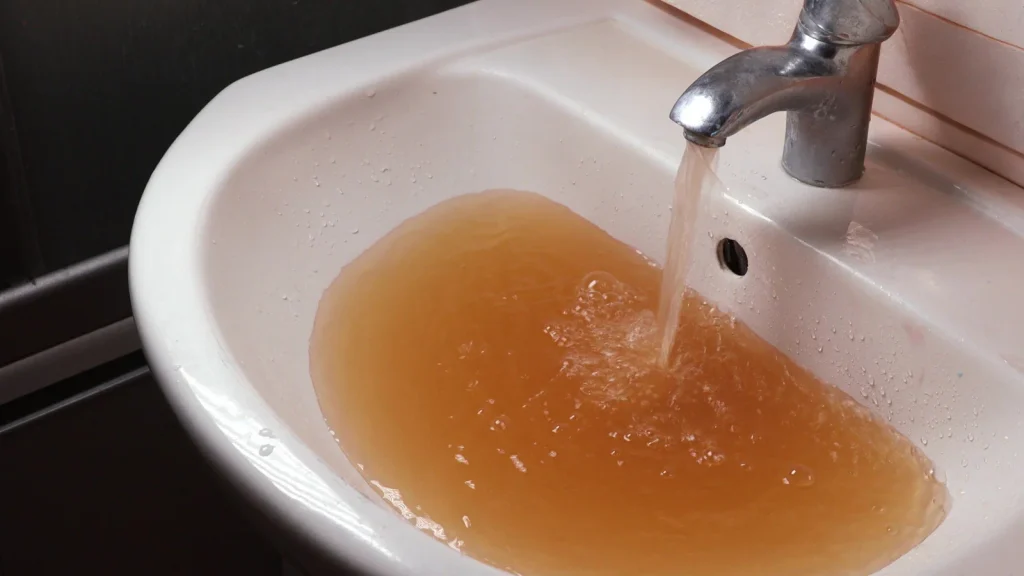
- Particulate and Iron Sloughing: Pressure fluctuations—such as washing machine valve cycles or rapid faucet shutoffs—dislodge brittle rust crusts, releasing suspended iron particles that tint water yellow, brown, or red.
- Heavy Metal Sequestration: The internal porous iron crust acts like an open chemical sponge. Decades of low-level heavy metals passing through the supply become trapped in the iron scale, only to break free in concentrated pulses during sudden structural shifts or plumbing repairs.
Lead Service Lines and Solder: The Invisible Neurotoxin
Lead served as the premier plumbing standard from antiquity through the mid-twentieth century due to its malleability, ease of installation, and resistance to pinhole corrosion. Exterior service lines connecting municipal mains to household water meters were routinely fabricated from solid lead. Inside the home, even after copper supply lines began displacing galvanized iron in the 1960s and 1970s, plumbers routinely bound joints with 50/50 tin-lead solder until federal bans eliminated the practice in 1986.
Lead does not introduce color, odor, or metallic taste into drinking water, which makes its chemical presence particularly insidious. When water remains stagnant inside lead conduits or across soldered copper junctions for hours, electrochemical corrosion leaches soluble lead ions directly into the water column. Federal regulators continuously update directives to locate and extract these historical hazards; reviewing official EPA guidance on lead service line replacement provides homeowners with essential standards for identifying privately owned exterior pipes and coordinating municipal switch-outs.
Unlined Cast Iron and Early Copper
Heavier drain, waste, vent, and high-volume intake lines in pre-war construction frequently utilized unlined cast iron. While robust against total mechanical collapse, cast iron generates substantial flake debris when subjected to shifting water chemistry. Early copper systems installed between 1950 and 1975, while significantly safer than lead or deteriorating iron, remain vulnerable to pitting corrosion if municipal water systems supply soft, acidic, or highly oxygenated water. Pitting can produce microscopic pinhole leaks inside enclosed wall assemblies while discharging elevated copper concentrations that impart a distinctly bitter, metallic taste.
Chemical and Microbial Consequences of Aging Conduits
Water entering an older residence is not a static liquid; it is an active chemical solution carrying dissolved gases, minerals, and residual chlorine disinfectants. When this dynamic solvent interfaces with aging, corroded conduit walls, a cascade of chemical and biological transformations occurs before water ever reaches the kitchen faucet.
The detailed overview of common contaminants highlights how mechanical erosion and galvanic action convert stable interior pipe walls into toxic secondary water pollutants. Below are the primary mechanisms through which degrading legacy infrastructure damages household drinking water:
- Galvanic Corrosion at Dissimilar Metal Junctions: Historic renovations frequently involve partial repairs where newer copper lines were threaded directly into existing galvanized iron without dielectric unions. Because copper and iron possess different electrochemical potentials, this creates an active galvanic cell. The less noble metal (iron) corrodes at an accelerated rate, causing rapid structural failure and intense releases of dissolved rust.
- Depletion of Disinfectant Residuals: Municipalities maintain trace amounts of free chlorine or chloramines throughout distribution mains to suppress bacterial growth. Heavy internal tuberculation and dense organic biofilms consume these disinfectants rapidly. By the time water travels from the property line through corroded private pipes, residual disinfectant levels can drop to near zero, creating conditions where opportunistic pathogens thrive.
- Biofilm Harboring and Bacterial Proliferation: Smooth surfaces in modern PEX or pristine copper resist microbial adhesion. In contrast, pitted, tuberculated interior walls provide vast surface areas sheltered from hydraulic shear forces. Bacterial communities, including non-tuberculous mycobacteria and Legionella, can colonize these mineral matrices, particularly within hot water recirculation loops kept at inadequate temperatures.
- Erosion of Passivation Layers: Over years of continuous service, water utilities add orthophosphates or adjust mineral hardness to form a protective mineral scale inside pipes, isolating toxic metals from the water stream. Any sudden shift in municipal water source, pH balance, or localized water softener installation can strip away this protective passivation scale, triggering sudden spikes in dissolved lead and heavy metals.
Diagnosing Deteriorated Pipe Infrastructure in Vintage Homes
Identifying failing plumbing infrastructure early prevents catastrophic structural water damage while safeguarding household health. Homeowners stewarding older structures should monitor for distinct sensory, mechanical, and visual indicators of internal pipe failure.
Water discoloration offers the most immediate diagnostic signal. A reddish-brown or yellowish tint observed exclusively during the first draw of the morning indicates internal iron oxidation within localized house lines. If discoloration persists throughout continuous running, the source likely originates from the municipal main or the shared exterior service conduit. Bluish-green staining around porcelain sinks, brass fixtures, and shower tiles points to accelerated copper leaching driven by acidic supply water.
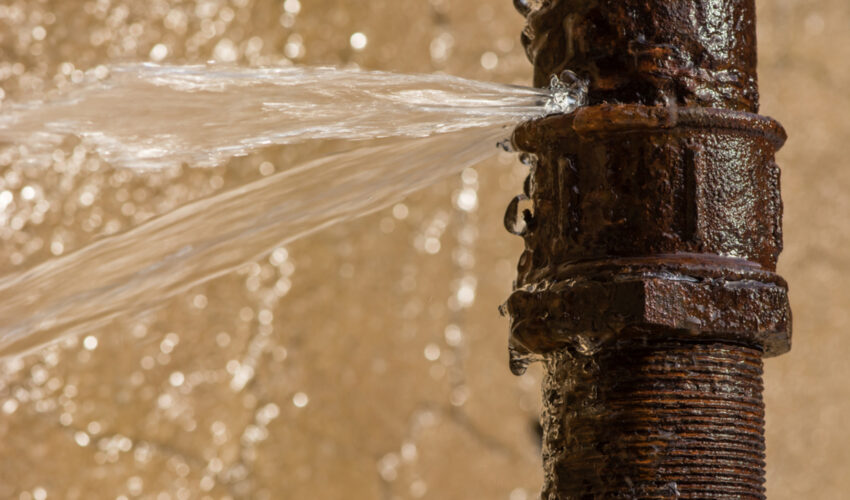
Declining flow rates often reveal advancing tuberculation. When opening multiple fixtures concurrently causes shower pressure to plummet or faucets to drop to a trickle, internal mineral constriction has reduced effective pipe volume. Physical inspections of accessible basement runs, crawlspaces, and utility rooms can confirm these suspicions. Look for bubbled paint, white efflorescence, or rust blisters along pipe seams, which indicate microscopic weeping where metal has degraded completely through the pipe casing.
Routine tap analysis remains indispensable because hazardous dissolved ions produce no visible clues. While homeowners can monitor baseline conditions through standard testing kits, older residential properties often require specialized evaluations. Arranging professional municipal water testing in Brooklyn, for instance, provides brownstone and pre-war apartment owners with accredited laboratory analysis designed specifically to isolate century-old service lines from interior plumbing contributions.
Health Considerations and Environmental Intersections
Understanding the impact of legacy plumbing on residential wellness requires distinguishing between structural nuisance issues and serious toxicological exposure. High iron content and rust particles primarily cause aesthetic and practical problems—staining laundry, discoloring plumbing fixtures, and altering the flavor of food and beverages. In contrast, heavy metal exposure represents a critical health concern.
Lead and cadmium accumulations in drinking water present acute biological hazards. Lead accumulates within human bone and soft tissues over time, with infants, young children, and pregnant individuals facing the highest vulnerability to cognitive impairment, developmental delays, and renal strain. Because the human body cannot readily metabolize or clear heavy metals, public health agencies emphasize that no safe blood lead level exists for children. Anyone suspecting chronic exposure should consult certified healthcare professionals and qualified pediatricians to conduct diagnostic blood screenings.
Modern water quality assessments must also evaluate how legacy infrastructure intersects with emerging environmental pollutants. While older pipes degrade from the inside out, municipal source waters face contemporary challenges from synthetic chemical runoff. For example, keeping informed about updated EPA guidelines on PFAS in drinking water ensures that retrofitted filtration assemblies tackle both twentieth-century heavy metal leaching and twenty-first-century per- and polyfluoroalkyl substances simultaneously.
Renovation Strategies: Preservation, Abatement, and Modernization
Remediating aged infrastructure in historic buildings requires balancing structural preservation against total system modernization. Tearing out every historic wall assembly to access concealed piping is rarely practical or economically viable, making phased remediation and specialized intervention standard practice.
Homeowners dealing with multi-family buildings or larger residences can consult resources focused on water quality in older buildings to learn how complex vertical risers and gravity-fed roof storage tanks affect remediation timelines. For single-family residences, remediation generally follows a three-tiered approach:
1. Immediate Exposure Mitigation
Until full mechanical replacement occurs, homeowners must implement operational safeguards at the tap. The most critical operational habit is the morning flush: run cold water taps vigorously for two to three minutes before drawing water for cooking or drinking, ensuring that fluid stagnant inside walls overnight clears out.
Point-of-use filtration offers immediate chemical defense. Ensure that any counter or under-sink filter carries verified certification under NSF/ANSI Standard 53 for health effects (specifically dissolved lead and heavy metals reduction) and NSF/ANSI Standard 58 for reverse osmosis units. Pitchers relying solely on basic carbon taste filters (NSF 42) remove chlorine odors but leave toxic dissolved heavy metals unaffected.
2. Point-of-Entry Whole-House Stabilization
If water testing reveals acidic water (pH below 7.0) causing aggressive copper corrosion, installing an acid-neutralizing calcite contact filter at the main intake stabilizes water chemistry before it enters vulnerable internal pipework. Similarly, high-capacity particulate pre-filters capture abrasive rust flakes that break loose from deteriorating galvanized lines, protecting modern thermostatic valves, water heaters, and fixture cartridges downstream.
3. Strategic Repiping Materials
When complete plumbing replacement becomes necessary, modern materials offer proven performance and installation flexibility:
- Cross-Linked Polyethylene (PEX): Flexible PEX tubing has become the preferred choice for historic retrofits. Installers can fish flexible PEX lines through finished lath-and-plaster wall cavities with minimal destructive cutting, preserving delicate historical finishes while delivering an inert, corrosion-free conduit.
- Type L Copper: For exposed architectural installations, basement manifolds, or homeowners committed to non-plastic piping, rigid Type L copper provides high durability, fire resistance, and natural bacteriostatic properties when joined with modern, lead-free soldering alloys or press-connect fittings.
Sustaining Water Safety in Historic Properties
Historic home ownership requires proactive stewardship across every operational system, including plumbing infrastructure. While legacy architecture celebrates artisanal construction and enduring aesthetics, original pipework operates on an unyielding timeline of electrochemical degradation. Rust, tuberculation, dissolved iron, and invisible heavy metal leaching are natural consequences of aging metallic networks.
Protecting a historic household demands a methodical approach: conduct certified water testing to establish precise chemical baselines, install certified point-of-use filtration to eliminate immediate heavy metal risks, and systematically eliminate obsolete materials through planned plumbing upgrades. Readers can access broader research, technical deep-dives, and seasonal maintenance guides on the Water Quality Journal. With targeted maintenance and modern repiping techniques, homeowners can preserve the timeless charm of historic architecture while ensuring every glass drawn from the tap meets modern standards of purity and safety.