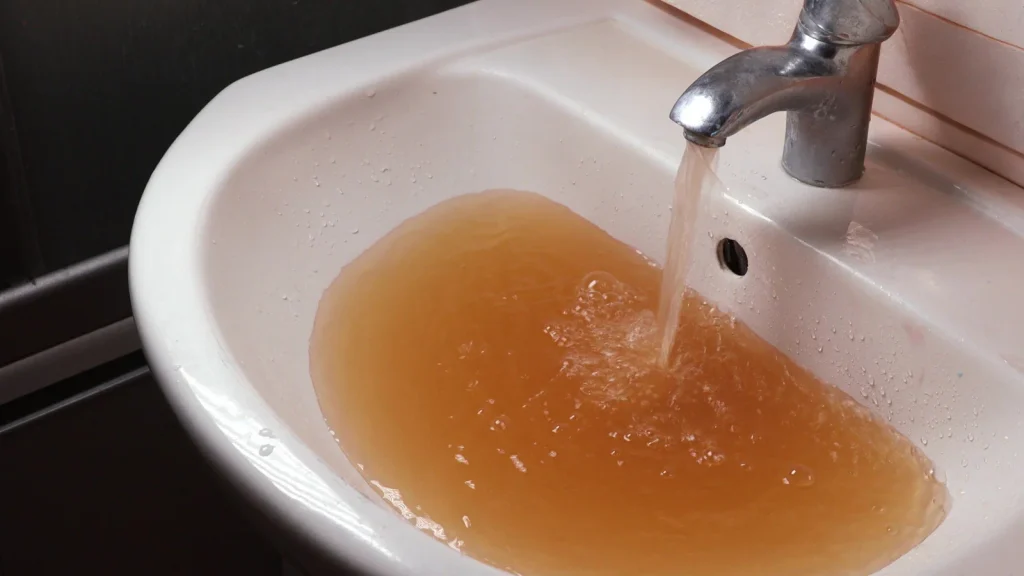
Clean, potable drinking water is fundamental to human survival and everyday public health. Yet microscopic organisms invisible to the naked eye can quietly infiltrate modern municipal distribution networks, high-rise storage cisterns, and private residential wells. Among the biological indicators evaluated by sanitarians and environmental engineers, coliform bacteria and Escherichia coli (E. coli) serve as primary bellwethers for public water safety. When a laboratory report flags a positive result for coliform organisms, it represents a breach in sanitary integrity that demands immediate, methodical investigation rather than passive dismissal.
Understanding the distinction between broad indicator groups and acute pathogens allows property managers, homeowners, and facility engineers to respond decisively. While most bacteria encountered in natural settings are benign, certain microbial signals demonstrate a direct pathway from hazardous environmental waste into human consumption supplies. By reviewing baseline microbiology, exposure vectors, clinical indicators, and rigorous laboratory protocols, consumers can protect their distribution infrastructure and safeguard residential taps against waterborne illness.
The Coliform Family: Mapping the Biological Hierarchy
Microbiologists classify waterborne bacteria using a nested indicator system. Rather than testing water supplies individually for every known pathogenic virus, bacterium, and protozoan—an approach that remains logistically impossible and cost-prohibitive—water quality specialists rely on surrogate organism groups that signal vulnerability. As outlined in our comprehensive water quality fundamentals guide, this hierarchy breaks down into three distinct operational tiers:
- Total Coliforms: A broad collection of rod-shaped, Gram-negative bacteria capable of fermenting lactose with gas and acid formation within 48 hours at 35 degrees Celsius. These organisms naturally inhabit warm-blooded animal digestive tracts, topsoil, decomposing plant matter, and outdoor aquatic environments. Their presence indicates potential structural flaws in treatment or distribution systems.
- Fecal Coliforms: A narrower sub-tier of total coliforms, primarily represented by thermotolerant species that thrive and ferment lactose at an elevated incubation temperature of 44.5 degrees Celsius. Because they originate almost exclusively in the digestive tracts and feces of warm-blooded animals, their discovery confirms recent organic contamination.
- Escherichia coli (E. coli): The definitive, species-level indicator within the fecal coliform group. The presence of E. coli provides indisputable evidence that raw fecal waste has entered the plumbing network, carrying with it an immediate risk of enteric pathogens such as Salmonella, Cryptosporidium, Giardia, and infectious hepatitis.
The presence of general total coliforms without E. coli does not automatically signal that consumers are drinking sewage. It does, however, confirm that environmental elements, surface runoff, or biofouling have bypassed protective barriers. Conversely, an E. coli detection bypasses ambiguity, demanding emergency containment measures and immediate public notification.
Pathogenicity Versus Surrogacy: Is All E. coli Dangerous?
The vast majority of E. coli strains naturally colonize the healthy intestinal tracts of humans and mammals, serving essential physiological functions including vitamin synthesis and digestion assistance. When detected in a water distribution network, ordinary E. coli serves primarily as an indicator organism. Its presence demonstrates that untreated waste has reached the potable plumbing system, bringing an elevated probability of accompanying virulent pathogens.
Certain pathogenic strains, however, pose direct clinical hazards when ingested. Shiga toxin-producing Escherichia coli (STEC), most notably serotype O157:H7, can cause debilitating physiological distress. These aggressive strains colonize human intestinal linings and release potent cytotoxins that induce severe localized damage and systemic vascular complications.
Ingestion of STEC through untreated or breached drinking water lines typically initiates symptoms within three to four days, though onset can occur anywhere from twenty-four hours to eight days post-exposure. Typical clinical presentations include:
- Severe, incapacitating abdominal cramping and tenderness
- Profuse, watery diarrhea that frequently transitions to gross bloody stools
- Nausea and recurrent vomiting
- Low-grade fever, typically remaining below 101 degrees Fahrenheit
- Systemic fatigue and rapid dehydration caused by accelerated fluid loss
In vulnerable demographics—particularly young children under five, geriatric patients, and immunocompromised individuals—STEC infections can progress to Hemolytic Uremic Syndrome (HUS). This life-threatening microangiopathic condition causes widespread red blood cell destruction, acute thrombocytopenia, and sudden renal failure. Anyone displaying persistent bloody diarrhea or severe dehydration should seek immediate evaluation from a licensed healthcare provider rather than attempting self-treatment with antimotility pharmaceuticals, which can exacerbate toxin retention.
How Coliforms and E. coli Enter Drinking Water Supplies
Potable water distribution relies on multiple sanitary barriers, including coagulation, filtration, chemical disinfection, and continuous positive hydrostatic pressure. When any of these fails, biological vectors can enter the tap stream. The pathways differ significantly between municipal grid infrastructure and decentralized private wells.
Municipal System Breaches and Urban Distribution Weaknesses
Municipal water suppliers maintain strict disinfectant residuals, typically free chlorine or chloramines, to suppress microbial regrowth inside buried trunk lines. However, aging pipe networks, pressure fluctuations, and storage facilities introduce vulnerabilities:
- Water Main Breaks and Depressurization: When subsurface infrastructure fractures, water lines lose positive pressure. Surrounding groundwater, saturated with road runoff and soil microbes, can back-siphon directly through pipe fissures.
- Rooftop Storage Cistern Contamination: Thousands of multi-family buildings rely on rooftop gravity-feed wooden or steel water tanks. Missing screens, degraded access hatches, and ambient nesting birds introduce animal waste directly into treated water supplies.
- Cross-Connections and Backflow: Without calibrated backflow preventers, industrial boilers, commercial irrigation systems, and utility wash sinks can draw wastewater back into potable building risers during system line drains.
Residents observing localized line depressurization or changes in water aesthetics often rely on private water testing in Queens to evaluate rooftop gravity tanks and domestic risers for bacterial intrusion following utility maintenance work. Professional laboratory sampling confirms whether secondary disinfectant residuals successfully kept municipal water potable as it traveled through aging building pipes.
Regular oversight of internal piping remains a vital building maintenance responsibility. For broader operational context regarding community supplies, the Water Quality Journal archives evolving field reports covering urban water systems, pipe restoration, and water testing diagnostics across residential networks.
Private Well Vulnerabilities
Private wells operate without municipal disinfectant residuals, shifting direct monitoring responsibilities entirely onto individual property owners. Wells draw from unchlorinated subsurface aquifers that remain subject to local hydrology and environmental changes:
- Compromised Well Caps and Seals: Sanitary well caps must create a bug-tight, hermetic seal above finished grade. Cracked seals or missing vent screens allow insects, mice, and surface flooding to enter the casing directly.
- Shallow Well Depths: Bored or dug shallow wells pull water from superficial water tables vulnerable to seasonal rains, lawn fertilization, and livestock pasture runoff.
- Failing Onsite Septic Drainage: A septic leach field placed within 100 feet of an unconfined well can discharge partially digested organic waste straight toward drinking supply cones of depression during heavy rain events.
Property managers coordinating health evaluations across commercial facilities often contract Manhattan on-site water testing services to audit backflow hardware, service risers, and end-point filtration arrays. On-site verification isolates whether biological hits originate from municipal main lines, secondary storage systems, or building fixture aeration screens.
To evaluate localized well installation practices, groundwater depth requirements, and minimum set-back parameters, review the official EPA recommendations for private well owners before drilling or reconditioning residential well equipment. Property owners seeking precise contaminant verification frequently rely on Private water testing in Queens to identify potential risks before installing whole-house filtration.
Regulatory Standards and Legal Safety Thresholds
Under the federal authorities established by the Safe Drinking Water Act statutory provisions, the United States Environmental Protection Agency oversees the safety of public water utilities. The regulatory framework establishes strict micro-biological benchmarks via the Revised Total Coliform Rule (RTCR), designed to protect consumers from waterborne pathogens.
The Maximum Contaminant Level Goal (MCLG) for E. coli is set at exactly zero. Federal environmental health models recognize no safe threshold for human ingestion of sewage-derived pathogens. For total coliforms, federal frameworks require utilities to treat positive hits as operational warnings. If a public supplier gathers more than 5.0 percent coliform-positive samples within a standard billing month, the utility triggers required engineering assessments to isolate the distribution fault.
Public water system compliance requires rapid execution of repeat sampling within 24 hours of any presumptive total coliform detection. System operators inspect wellheads, pump stations, clearwells, and distribution main pressures. For current regulatory details on analytical testing frequency and mandatory notification deadlines, consult the published EPA drinking water regulations and compliance rules.
Standard Laboratory Testing Protocols
Accurate microbiological evaluation requires rigorous chain-of-custody protocols, sterile handling, and prompt laboratory analysis. Bacterial cultures divide rapidly under ambient thermal conditions, meaning improper sampling practices frequently yield false-positive results that cause unnecessary alarm.
| Analytical Method | Operational Mechanism | Turnaround Time | Primary Use Case |
|---|---|---|---|
| Enzyme Substrate Test (e.g., Colilert®, Colisure®) | Utilizes chromogenic (ONPG) and fluorogenic (MUG) nutrient indicators to detect beta-galactosidase (coliforms) and beta-glucuronidase (E. coli). | 18 – 24 Hours | Standard regulatory compliance, municipal distribution monitoring, rapid homeowner testing. |
| Membrane Filtration (MF) | Passes 100 mL of sample water through a 0.45-micron cellulose filter, which is placed on selective media (e.g., m-Endo) and incubated. | 24 Hours | Direct colony counting (CFU/100mL), high-precision water safety audits, scientific research. |
| Multiple Tube Fermentation (MTF) | Inoculates series of lactose broth tubes to monitor gas production, calculating Most Probable Number (MPN). | 48 – 72 Hours | Turbid or heavily colored water samples where optical analysis is impeded by particulates. |
When collecting samples from a residential or commercial fixture, technical staff must remove aerators, bypass inline reverse osmosis systems, sanitize tap spouts with an isopropyl wipe or flame, run water at full flow for several minutes to draw fresh main line water, and preserve collected specimens on wet ice below 10 degrees Celsius. Analysis must commence within 30 hours of collection to ensure biological validity.
Immediate Remediation Framework
Discovering E. coli or confirmed total coliforms in domestic water lines requires an immediate transition to containment protocols. Facility owners should execute the following steps to prevent human exposure and systematically decontaminate the plumbing infrastructure.
Step 1: Emergency Physical Containment
Implement an immediate “Boil Water Advisory” across the entire facility. Water intended for drinking, culinary preparation, oral hygiene, baby formula reconstitution, or pet consumption must reach a rolling boil for at least one full continuous minute (three full minutes at elevations above 5,000 feet) to pasteurize cellular pathogens. Alternatively, supply certified commercial bottled water for daily consumption.
Step 2: Well and Plumbing Shock Chlorination
If testing confirms contamination within a private well system, shock chlorination introduces an acute concentration of free chlorine (typically 50 to 200 parts per million throughout the entire water column) into the casing, pressure tank, and distribution network. The chlorinated solution must circulate through every indoor faucet until a distinct bleach odor emerges, after which lines are closed and left to stand for 12 to 24 hours. The chlorinated water is then thoroughly flushed outside the home onto gravel or bare soil, avoiding the septic drain field to protect beneficial waste-digesting bacteria.
Step 3: Permanent Multi-Barrier Disinfection Systems
Properties with recurring microbiological vulnerabilities should install permanent secondary disinfection hardware:
- Class-A Ultraviolet (UV) Systems: UV purifiers direct 254-nanometer germicidal radiation through an inline quartz sleeve. This disrupts bacterial DNA structures and prevents replication. An effective UV installation requires clear water upstream, making a 5-micron sediment pre-filter essential to keep suspended particulate matter from shadowing incoming pathogens.
- Continuous Chemical Injection: Automated peristaltic metering pumps inject NSF-certified sodium hypochlorite or hydrogen peroxide directly into supply lines upstream of a retention baffle tank, ensuring sustained chemical contact time.
- Sub-Micron Ultrafiltration (UF): Hollow-fiber membrane barriers with 0.02-micron pore profiles physically intercept and retain bacteria, cysts, and larger organic viruses without requiring chemical disinfectants.
For additional testing and mitigation guidelines, check our published water testing and safety FAQ to identify corrective approaches for persistent bacterial and coliform issues. Property owners seeking specialized regional remediation support can also contact us for technical advice on UV sizing, system chlorination, and post-treatment certification.
Summary of Best Practices
Bacterial indicators like coliforms and E. coli are among the most important parameters in municipal and private water safety. While total coliforms flag general vulnerabilities and maintenance needs in distribution plumbing, E. coli demands an immediate emergency response to prevent exposure to fecal pathogens.
Responsible water stewardship requires regular testing, scheduled fixture maintenance, and well-maintained physical and chemical treatment systems. By following established testing standards, consulting accredited laboratories, and using reliable multi-barrier purification equipment, consumers and facility managers can safeguard their plumbing networks and ensure clean, dependable drinking water.
For more technical documentation on disinfection procedures, system design, and certified water filters, browse our curated drinking water safety resources.