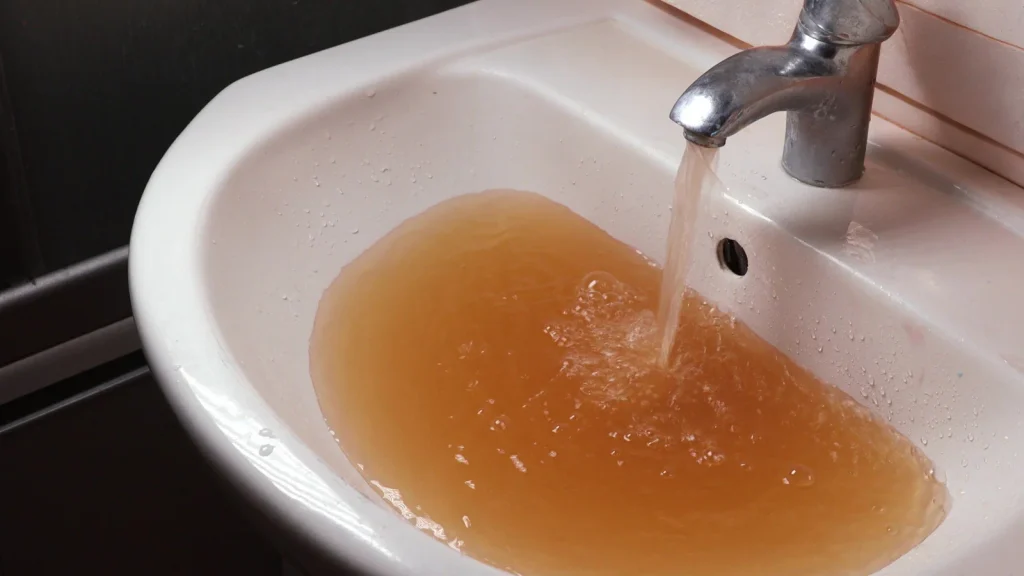
Turning on the kitchen tap or stepping into what should be a refreshing shower only to be met with the pungent, sickening stench of rotten eggs is an unsettling experience. That unmistakable sulfuric stench permeates the room within seconds, making every sip questionable and every chore unpleasant. Beyond the immediate sensory offense, the smell triggers immediate concerns about plumbing integrity, property damage, and personal health.
The culprit behind this repulsive odor is almost always hydrogen sulfide gas (H2S), a volatile compound perceptible to the human nose even at minuscule concentrations as low as 0.5 parts per million. While the scent is distinctive, the origin of the problem varies widely depending on whether your supply originates from a private groundwater well or a regulated municipal distribution network. Pinpointing exactly where the gas enters your plumbing is the first critical step toward eliminating it permanently.
The Chemistry Behind the Stench: What Produces Hydrogen Sulfide?
Hydrogen sulfide is a colorless gas produced primarily through two distinct mechanisms: geochemical decomposition and microbial metabolism. In groundwater environments, decaying organic matter trapped deep subterranean strata breaks down over decades, slowly releasing sulfur compounds into aquifers. When water moves through rock formations rich in iron sulfides, pyrites, or gypsum, natural chemical leaching further saturates the subterranean basin with dissolved sulfur.
More frequently, the gas is generated by sulfur-reducing bacteria (SRB). These specialized, non-pathogenic microorganisms thrive in oxygen-depleted, warm environments rich in sulfates. As part of their natural metabolic cycle, these bacteria use sulfur rather than oxygen to sustain cellular respiration, converting naturally occurring sulfate minerals into dissolved hydrogen sulfide gas. For an overview of common contaminants encountered in residential supplies, reviewing standard mineral classifications helps clarify how harmless soil microbes interact with regional geological deposits.
A second common chemical trigger involves corrosion inside hot water storage tanks. Nearly all traditional storage water heaters feature a sacrificial anode rod—typically constructed from magnesium or aluminum—engineered to attract electrolytic corrosion away from the steel tank walls. In the presence of sulfates and warm water, magnesium rods undergo an electrochemical reaction that rapidly reduces sulfate ions into concentrated hydrogen sulfide gas, transforming the appliance into a sulfur incubator.
Diagnostic Step 1: The Kitchen Glass Isolation Test
Before buying filtration hardware or dismantling plumbing fixtures, conduct a simple, zero-cost isolation test at a kitchen sink or bathtub faucet that has remained unused for at least six hours. This diagnostic protocol separates supply-side contamination from appliance-specific failures.
- First Draw (Cold Water): Place a clean glass beaker or tumbler under the faucet. Turn on the cold water valve, capture roughly eight ounces of water, swirl the glass gently, step away from the sink into a neutral-smelling room, and smell the water sample.
- Run and Recheck: Allow the cold water to run continuously for approximately three to five minutes to flush the supply line completely. Fill a second clean glass, step away from the sink area again, and smell.
- First Draw (Hot Water): Switch to the hot water tap. Fill a third clean glass, step away into an odor-neutral room, and evaluate the scent.
- Examine the Drain: Lean down near the sink drain while no water is running. Often, accumulated soap scum, hair, and decomposing organic debris in the P-trap emit gases that mimic hydrogen sulfide, leading homeowners to mistake a dirty drain for tainted tap water.
If the smell exists solely in the hot water sample, the water heater’s anode rod or bacterial colonies within the tank are the primary source. If the smell appears in both hot and cold samples initially but vanishes after a few minutes of flushing, sulfur-reducing bacteria are likely colonizing your local plumbing lines or well casing. If the odor persists steadily across both hot and cold taps regardless of how long the water runs, the source lies directly within your incoming groundwater aquifer or municipal feed line.
Diagnosing the Core Origins: Well Water, Water Heaters, and City Grids
Groundwater wells remain the most frequent setting for chronic hydrogen sulfide issues. Aquifers sealed off from surface atmospheric oxygen create an ideal habitat for sulfur-reducing microbes, particularly when surrounded by sedimentary shale, sandstone, or peat. When well casings crack or surface seals degrade over time, organic runoff can seep into the well bore, accelerating microbial proliferation and triggering sudden spikes in odor intensity.
Municipal distribution systems feature chlorination barriers designed to neutralize sulfur compounds and eradicate bacteria, making persistent rotten-egg smells less common on city water. However, seasonal shifts in reservoir turnover, water main repairs, or stagnant dead-ends within older distribution mains can introduce temporary sulfur spikes. Understanding baseline water quality in older buildings is essential, as aging municipal infrastructure and legacy copper-galvanized transitions can harbor complex bacterial biofilms that regular residual chlorine cannot easily penetrate.
Large commercial facilities, multifamily complexes, and shared apartment towers face unique logistical challenges where central boilers, booster pumps, and storage tanks can stagnate over weekends or seasonal vacancies. When managing multi-tenant structures with complicated distribution loops, scheduling professional building water testing in NYC ensures that underlying distribution stagnation, biofilm buildup, or localized pipe degradation is verified through rigorous certified laboratory methods.
Health Risks, Plumbing Impacts, and Hidden Damage
At the low concentrations commonly responsible for residential odors (ranging from 0.5 to 5 ppm), hydrogen sulfide does not present acute systemic toxicity to humans. The offensive smell usually prevents people from consuming dangerous quantities. However, chronic ingestion of water carrying elevated sulfur levels can produce mild laxative effects, gastrointestinal distress, and dehydration, particularly in infants and vulnerable individuals. While these digestive disruptions are typically temporary, anyone experiencing unexplained chronic gastrointestinal symptoms should consult a qualified physician rather than attempting self-diagnosis.
The secondary mechanical damage caused by dissolved hydrogen sulfide is severe. As the gas escapes into the air or reacts with ambient moisture, it forms mild sulfuric acid, attacking plumbing infrastructure from the inside out:
- Metal Degradation: Accelerates the pitting, thinning, and premature failure of copper piping, brass fittings, and steel appliances.
- Black Staining: Reacts with copper and iron to create insoluble black sulfide precipitates that coat toilet tanks, stain porcelain sinks, and tarnish silverware upon contact.
- Appliance Deterioration: Damages internal solenoids, seals, and heating elements inside washing machines, dishwashers, and coffee makers, drastically cutting operational lifespans.
- Air Quality Degradation: Releases gaseous fumes during hot showers that can trigger eye irritation, mild throat tickling, or sinus headaches in poorly ventilated bathrooms.
Regulatory frameworks classify hydrogen sulfide as a secondary drinking water parameter because aesthetic degradation and corrosion manifest long before toxic exposure thresholds are reached. You can review official safety benchmarks by checking the EPA Ground Water and Drinking Water guidelines, which outline recommended containment thresholds, treatment standards, and secondary aesthetic limits for domestic water systems.
Elimination Roadmap: Targeted Solutions for Every Source
Treating sulfur requires solutions matched precisely to the diagnostic source identified in your testing phase. Applying an expensive whole-house filtration unit when the fault lies entirely inside an appliance will waste capital without curing the problem.
Remedy A: Neutralizing Hot Water Heater Contamination
If your diagnostic test isolated the odor to hot water only, your water heater is the direct source. Begin by inspecting the sacrificial anode rod. If your unit contains a standard magnesium rod, replace it with an aluminum-zinc alloy rod or a powered electronic titanium anode. Aluminum-zinc rods drastically reduce the chemical reaction with sulfates, while powered titanium anodes eliminate the sacrificial dissolution process entirely, stopping sulfur generation without leaving the tank vulnerable to rust.
Next, perform a thermal or chemical sanitization. Raising the thermostat to 140°F (60°C) for several hours can kill localized bacterial colonies inside the tank. Exercise extreme caution during thermal disinfection by using thermostatic anti-scald mixing valves, as water at 140°F causes severe burns within seconds. Alternatively, a certified licensed plumber can flush the unit with a food-grade hydrogen peroxide solution to eliminate biofilm colonies.
Remedy B: Shock Chlorination for Well Systems and Local Piping
If the smell stems from bacteria colonizing the well bore, drop pipe, or residential distribution lines, shock chlorination provides an effective reset. This process introduces a high concentration of chlorine bleach into the well casing, circulates it through every indoor fixture until a strong chlorine odor is present, lets the solution rest for 12 to 24 hours, and flushes it out onto an open ground area away from septic drainage fields.
Shock chlorination provides immediate relief, but it is not a guaranteed permanent cure. If regional groundwater tables continuously introduce new sulfur-reducing bacteria, recolonization can occur within weeks or months, requiring continuous downstream treatment systems.
Remedy C: Whole-House Water Filtration and Oxidation Systems
When the incoming raw water supply contains high levels of dissolved hydrogen sulfide gas straight from the earth, mechanical filtration alone will not suffice. The gas must be chemically oxidized into solid particles that can be filtered out:
- Air Injection Oxidation (AIO): Uses an air pocket maintained inside a specialized pressure vessel to oxidize sulfur on contact, filtering the resulting precipitants through catalytic carbon or manganese dioxide media without ongoing chemical additives.
- Continuous Chemical Injection: Injects measured doses of chlorine, hydrogen peroxide, or potassium permanganate upstream of a contact tank, followed by an active catalytic carbon filter to strip residual oxidizers and polish flavor.
- Catalytic Carbon Filtration: Effective for low concentrations of dissolved gas (under 1.5 ppm), converting hydrogen sulfide directly without requiring chemical feed pumps.
The Value of Certified Laboratory Water Testing
Home test strips and qualitative sensory checks provide useful immediate clues, but they cannot quantify exact gas concentrations or reveal associated contaminants like iron, manganese, pH imbalances, and coliform bacteria. Because hydrogen sulfide escapes rapidly into the atmosphere once water leaves the pressurized pipe, accurate readings require specialized testing protocols and stabilized collection containers.
Testing unmasks interrelated geochemical issues. For instance, high concentrations of dissolved iron and manganese often accompany sulfur, rapidly clogging standard media beds if the treatment sequence is improperly configured. For property owners and managers seeking comprehensive structural water profiles, relying on a certified lead testing laboratory covering Queens provides verified analytical assays detailing metal leaching rates, mineral balances, and microbial activity across the entire plumbing system.
Broader environmental research demonstrates how agricultural runoff, seasonal rainfall shifts, and regional waste management affect subterranean water tables. Reviewing the NIEHS overview of environmental water pollutants provides valuable perspective on how regional land-use patterns influence domestic groundwater chemistry over time.
Long-Term Maintenance and Prevention Protocol
Banishing the rotten-egg odor requires proactive, scheduled upkeep. Implement these ongoing maintenance practices to safeguard your plumbing:
- Annual Well Cap & Vent Inspection: Inspect the sanitary well seal, electrical conduit fittings, and screening annually to prevent surface runoff, insects, and organic detritus from penetrating the casing.
- Semiannual Water Heater Flushing: Drain the bottom five to ten gallons of your storage tank twice a year to clear mineral sediment where sulfur-reducing bacteria settle and incubate.
- Replace Sacrificial Anodes on Schedule: Check conventional anode rods every three to four years, replacing them before the protective core wire is exposed to prevent tank corrosion and sulfur spikes.
- Seasonal System Flushes: If a secondary residence, guest bathroom, or isolated plumbing branch remains unused for extended intervals, flush every fixture for several minutes before regular use to clear stagnant, oxygen-depleted lines.
For more maintenance guides, equipment reviews, and treatment troubleshooting advice, explore the latest collection of water quality blog articles. If you are experiencing unusual taste or visual issues alongside sulfur odors, consulting a comprehensive water testing and safety FAQ will help clarify the exact diagnostic steps needed to restore clear, pure water to your home.