When municipal health authorities officially lift a boil water advisory, the collective reaction among residents is usually immediate relief. Days spent boiling pots of water for brushing teeth, washing produce, or preparing baby formula can strain household routines and raise valid concerns about biological safety. However, the announcement that a municipal water distribution network has achieved compliant disinfectant residuals and zero coliform presence does not mean your household plumbing is instantly safe to use.
During an advisory—frequently triggered by water main ruptures, sudden loss of hydraulic pressure, treatment facility power outages, or flooding—untreated water, biofilm fragments, sediment, and opportunistic microbes can enter distribution mains. Much of that stagnant, potentially compromised water remains trapped within private service laterals, interior plumbing branches, storage tanks, water heaters, and household appliances. Transitioning safely back to unrestricted tap usage requires an orderly, systematic recovery protocol. By approaching post-advisory flushing with the thoroughness of an environmental health inspection, you can safeguard your family and restore clean, reliable water to your living space.
The Physics of Distribution: Why Lifting the Notice Isn’t the Final Step
Municipal water suppliers operate extensive pressurized networks. When pressure drops below 20 pounds per square inch (psi), back-siphonage can pull groundwater, soil microbes, and line debris into the mains. When the utility finishes repairs, chlorinates the infrastructure, and reports negative microbiological tests over consecutive testing cycles, the public system gets cleared. However, the utility’s legal jurisdiction and physical reach end at your property’s curb stop or water meter.
Everything past that junction box—from the exterior underground pipe to the copper or PEX tubing behind your bathroom drywall—retains the water drawn during the contamination window. Furthermore, any drop in municipal system pressure disrupts internal pipe scaling. Mineral deposits, accumulated manganese, iron flakes, and biological films (biofilms) lining domestic pipes detach and migrate toward fixture aerators and appliance valves. Without proper physical clearance, simply opening a faucet for fifteen seconds leaves lingering biological pathogens and particulate matter inside your daily contact points. Reviewing specialized water quality blog articles can provide deeper context on how distribution hydraulics influence residential tap safety.
Immediate Priority: Discarding Contaminated Consumables
Before turning valves or running lines, eliminate any existing ice, beverages, and prepared foodstuffs produced while the advisory was active or during the initial hours of municipal pressure restoration.
- Automatic Ice Makers: Dump all existing ice stored in freezer bins. Microorganisms like Cryptosporidium oocysts and Giardia cysts can survive freezing temperatures indefinitely. Power off the ice maker mechanism temporarily while you execute whole-house flushing.
- Prepared Beverages and Foods: Discard juices, iced teas, infant formulas, stocks, or broths made with tap water drawn during the notice window. Even if refrigerated, these items present preventable biological exposure risks.
- Pet Bowls and Water Stations: Empty standing pet water bowls, motorized drinking fountains, and animal feeding equipment. Scrub the bowls with unscented dish soap and hot water, sanitize them with a diluted bleach solution (one teaspoon of household bleach per gallon of clean water), and allow them to air dry completely before refilling.
- Humidifiers and CPAP Reservoirs: Empty any ultrasonic humidifiers, tabletop diffusers, or respiratory medical equipment reservoirs. These devices aerosolize microscopic water droplets directly into the human respiratory tract, creating a pathway for bacteria such as Legionella pneumophila or non-tuberculous mycobacteria. Sanitize reservoirs per manufacturer specifications before bringing them back online.
The Step-by-Step Whole-House Flushing Protocol
Flushing clears old water from your service line and internal plumbing branches, drawing fresh, fully treated municipal water into your residence. The process requires a methodical approach, starting from the point of entry and moving outward.
Step 1: Clear the Main Service Line via High-Flow Outlets
To prevent sediment from entering delicate internal fixtures, your first flush should use a high-flow, unfiltered outlet located close to your water meter. An outdoor garden hose bib, an unfinished basement utility sink, or an exterior washdown spigot is ideal. Open this cold-water tap fully and allow it to discharge vigorously for 10 to 15 minutes. This purges sediment, pipe scale, and stagnant fluid from the municipal service lateral directly to an exterior drain, protecting indoor plumbing.
Step 2: Systematic Cold-Water Interior Purge
After purging the main service pipe, flush all interior cold-water fixtures. Move through your home starting with the lowest level (e.g., basement or ground floor) and progress sequentially to the highest story. At each station, turn the cold-water faucet on to full flow. Leave each tap running as you proceed to the next fixture, creating a simultaneous high-velocity sweep that scours the plumbing walls.
Let all cold taps run simultaneously for at least five to ten minutes. Once the time has elapsed, reverse your path: begin shutting off faucets at the top floor and work downward toward the lower levels. Don’t forget utility sinks, wet bars, laundry tub hookups, and unheated garage taps.
Step 3: Remove and Clean Faucet Aerators
Rapid pressure variations strip mineral sediment and corrosion scale from municipal and residential pipes. These particulates accumulate on the mesh wire screens of faucet aerators, creating breeding grounds for bacterial colonization and choking water pressure. Unscrew the aerator assemblies from all kitchen and bathroom spigots. Rinse the screens under running water, scrub off calcified particles with an old toothbrush, and submerge the components in white household vinegar to dissolve persistent mineral buildup. Reassemble and reinstall the aerators only after completing the cold and hot water flushing procedures.
Managing Water Heaters and Thermal Storage Systems
Water heaters demand dedicated attention after an advisory. Most conventional residential storage tanks hold between 30 and 80 gallons of water. If contaminated water entered the tank during the pressure drop, the warm internal environment can foster microbial persistence—especially if the thermostat is set below 120°F (49°C).
- Elevate Temperature Settings: If safe to do so, temporarily adjust your water heater thermostat to 140°F (60°C) for several hours to achieve thermal pasteurization. Exercise extreme caution, especially in homes with small children or elderly residents, to avoid scalding accidents.
- Complete Hot-Water Line Flushing: Once the hot-water reservoir has reached temperature, open every hot-water faucet throughout your home. Let them run until the water turns completely cold. This ensures that the entire contents of the storage cylinder have been evacuated through your plumbing lines, replacing stagnant tank volume with fresh municipal water.
- Drain Sediment Accumulation: Connect a standard garden hose to the drain valve at the base of the tank and route it to a floor drain or exterior area. Drain several gallons into a bucket until the discharged water runs clear of rust flakes and silt. If your water heater is older or overdue for routine maintenance, a full drain-and-refill sequence is recommended.
- Recirculation Loops: Homes equipped with dedicated hot-water recirculation pumps should ensure those pumps run continuously during hot-water flushing to purge auxiliary loops.
Appliance Rehabilitation: Refrigerator Lines, Dishwashers, and Laundry
Kitchen and laundry appliances require individual maintenance routines before they can be safely returned to daily use.
Refrigerator Dispensers and Ice Units
The narrow, flexible plastic tubing feeding modern refrigerators holds stagnant water and harbors stubborn biofilm. Run the door dispenser continuously for at least five minutes, or discard roughly two to three gallons of water. Once flushed, discard the first three full batches of newly made ice cubes before consuming any. If your refrigerator uses an inline carbon or sediment filter, replace it immediately, as compromised filters cannot be adequately disinfected by flushing alone.
Dishwashers and Washing Machines
Modern appliances frequently incorporate internal water traps and holding sumps. Run an empty, high-temperature sanitizing cycle on your dishwasher, using a commercial machine cleaner or a cup of white vinegar placed upright on the top rack. For clothes washing machines, execute an empty wash cycle using the hot water setting and a cup of liquid bleach to sanitize the drum, internal hoses, and drain pumps before washing personal clothing or bedding.
Water Filtration, Softeners, and Treatment Equipment
Residential treatment systems designed to improve aesthetics or remove heavy metals are not designed to eliminate high concentrations of biological pathogens. In fact, many filter media types act as sponges that harbor bacteria introduced during an advisory.
All point-of-use filter cartridges—such as under-sink carbon blocks, countertop carafes, faucet attachments, and showerhead filters—should be uninstalled and replaced with fresh elements. Running clean water through a filter cartridge exposed to coliform-contaminated water will not sanitize the media. For reverse osmosis (RO) units, replace all pre-filter and post-filter cartridges. Disinfect the RO storage bladder according to manufacturer instructions, using a sanitizing syringe kit or mild bleach solution, before inserting fresh membrane and filtration units.
Whole-house water softeners and backwashing media filters should be manually cycled through an immediate regeneration sequence. Add appropriate sanitizer tablets or salt-tank disinfectant if recommended by your equipment manufacturer to ensure the resin bed does not retain biological contaminants. For specific procedural questions, consulting a dedicated water testing and safety FAQ will help clarify the sanitizing protocols for complex residential setups.
Verifying Aesthetic Baseline and Water Safety
After finishing your whole-house flushing routine, evaluate the clarity, odor, and general appearance of your water. It is not unusual for tap water to exhibit brief discoloration or a cloudy appearance. Cloudiness often results from harmless microscopic air bubbles trapped by high-velocity flushing, which should clear up within a few minutes when left standing in a clean glass.
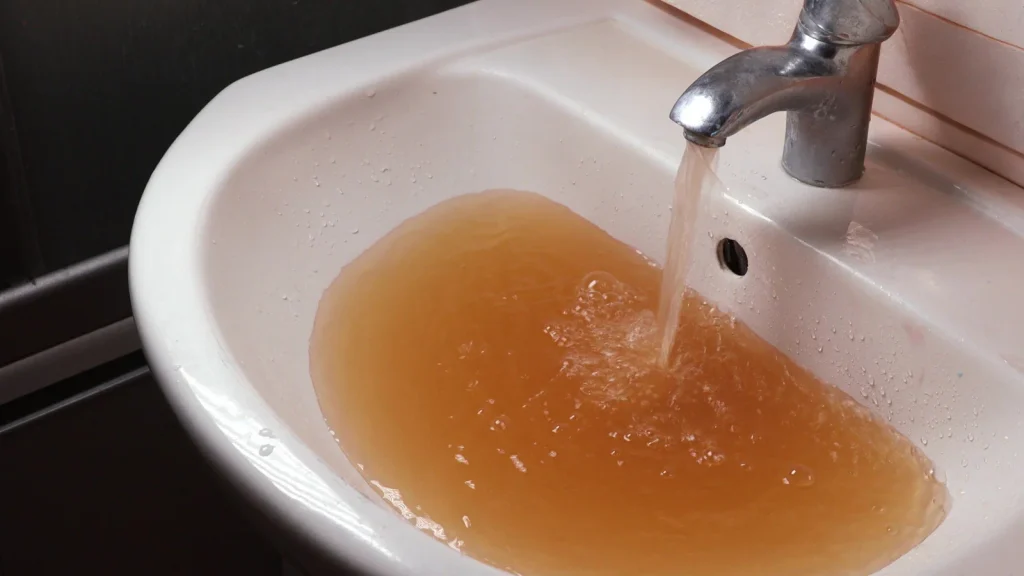
Rust-colored, orange, or tea-tinted water typically points to oxidized iron and manganese particles scoured from aging cast-iron utility lines. While these minerals are generally considered non-hazardous aesthetic nuisances covered by the EPA secondary drinking water standards for nuisance chemicals, persistent staining or metallic tastes should not be ignored. If discoloration lasts more than twenty-four hours after thorough flushing, contact your local water authority to report ongoing line turbidity.
In dense urban markets or historic building infrastructures where aging lead service lines or legacy plumbing joints remain common, pipe disturbances can also mobilize heavy metals. Under such circumstances, scheduling independent water testing in NYC or through a state-certified environmental testing laboratory provides definitive verification that lead, copper, and total coliform levels have returned to safe baselines.
Post-Advisory Maintenance Checklist for Property Owners
Homeowners, landlords, and property managers can reference this practical checklist to ensure no critical fixtures are missed during recovery:
- Main Exterior Bib: Flushed at full pressure for 10 to 15 minutes.
- Cold Water Fixtures: Run simultaneously from ground floor upward for 5 to 10 minutes.
- Aerators & Diffusers: Removed, cleared of debris, soaked in vinegar, and reattached.
- Water Heater: Thermally elevated, flushed clear of tank volume, and base drained of sediment.
- Inline Appliances: Refrigerator lines flushed (3 gallons), 3 ice batches dumped, empty sanitize cycles run on dishwashers and clothes washers.
- Water Filters: All sediment and carbon filter cartridges discarded and replaced; RO storage tanks disinfected.
- Specialty Fixtures: Emergency eye-wash stations, outdoor spigots, fire sprinkler loops, and decorative fountains thoroughly flushed.
- Landscape Irrigation: Manual cycle run for backflow prevention check valves and drip line purge.
When selecting replacement plumbing components, fixtures, or high-efficiency aerators following an incident, review the EPA WaterSense technical guidelines to maintain water efficiency standards without compromising fixture line velocity or physical rinsing performance.
Special Considerations for Vulnerable Individuals and Businesses
Certain situations demand a more cautious approach than standard household protocols. Homes with severely immunocompromised occupants, individuals undergoing chemotherapy, infants on specialized feeding plans, or residents managing complex medical treatments should check with their medical care team before resuming direct tap consumption. In these instances, relying on bottled water for an additional 48 to 72 hours—or until laboratory samples confirm negative coliform bacteria—serves as a sensible, low-risk precaution.
Commercial facilities, coffee shops, dental offices, childcare centers, and multi-family residential buildings carry elevated compliance responsibilities. Commercial espresso machines, dental unit water lines, automatic soda fountains, and multi-story hot water loops feature intricate internal dead legs where water can pool. These installations require structured sanitization using specialized biological disinfectants and system documentation to comply with public health guidelines. You can access extensive regulatory materials and drinking water safety resources to structure your compliance documentation.
Restoring Confidence at the Tap
A boil water advisory is a disruptive event, but it demonstrates that modern public surveillance and regulatory monitoring work to detect municipal breaches before widespread waterborne illness can take hold. Once the utility completes its microbiological testing and lifts the notice, taking ownership of your private plumbing network is the essential final link in the safety chain.
By systematically purging the service lateral, scouring indoor cold and hot lines, disengaging and replacing spent filtration elements, and sanitizing household water-using appliances, you eliminate biological hazards and clear accumulated sediments. If you experience persistent odors, chronic cloudiness, unexplained pressure drops, or desire independent third-party sample collection, you can contact us to assess your home’s post-advisory plumbing profile and verify that your drinking water is clean, safe, and balanced.