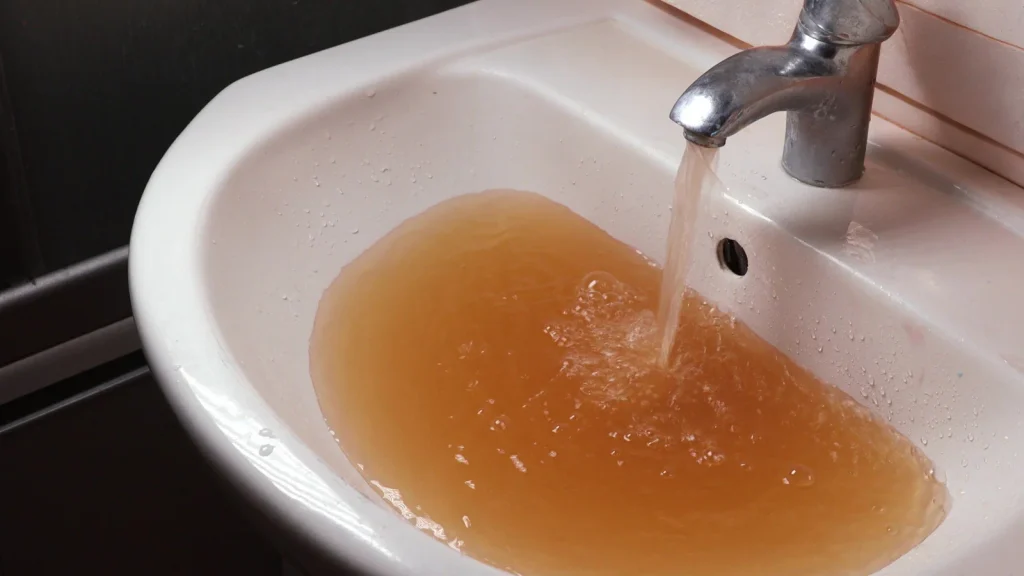
Water may appear crystal clear in a glass, yet beneath its transparent surface lies a dynamic chemical equilibrium that dictates its safety, taste, and reactivity. Among the primary analytical parameters used by water engineers, municipal operators, and environmental chemists, potential of hydrogen—universally known as pH—serves as a cornerstone measurement. It determines whether your tap water leans toward corrosive acidity or scaling alkalinity. While water drinkers often focus on sensory traits like clarity and scent, subtle shifts along the logarithmic pH scale carry profound implications for infrastructure integrity, heavy metal leaching, disinfectant efficacy, and everyday well-being.
Grasping the chemistry behind tap and well water requires looking past marketing hype surrounding specialty bottled alternatives. Understanding how hydrogen ions behave in aqueous systems allows homeowners, property managers, and facility operators to diagnose water treatment problems early. Through careful measurement, interpretation of laboratory data, and regular monitoring against federal benchmarks, evaluating water chemistry transforms from an abstract classroom concept into an essential household safeguard.
The Chemistry of pH: Quantifying Hydrogen Ion Activity
At its scientific foundation, pH quantifies the relative concentration of free hydrogen ions (H+) and hydroxyl ions (OH–) within an aqueous solution. The mathematical definition established by Danish chemist S.P.L. Sørensen frames pH as the negative base-10 logarithm of hydrogen ion activity: pH = -log[H+]. Because the scale is logarithmic, each whole integer transition reflects a tenfold shift in chemical concentration. Water with a pH of 6.0 contains ten times more free hydrogen ions than water with a neutral reading of 7.0, and one hundred times more than water testing at 8.0.
Pure, deionized water at standard temperature (25°C or 77°F) naturally dissociates into balanced quantities of H+ and OH– ions, yielding a baseline neutral value of exactly 7.0. However, water rarely exists in this pristine laboratory state in nature. As precipitation falls through the atmosphere and filters through geological strata, it interacts with dissolved gases and bedrock minerals:
- Acidic Water (pH 0.0 to 6.9): Characterized by an excess of hydrogen ions. Often driven by dissolved carbon dioxide forming weak carbonic acid (H2CO3), organic humic acids from decaying vegetation, or industrial sulfur and nitrogen emissions.
- Neutral Baseline (pH 7.0): An exact equilibrium between hydronium and hydroxide species, typical of purified distilled samples before exposure to ambient atmospheric air.
- Alkaline or Basic Water (pH 7.1 to 14.0): Characterized by a surplus of hydroxyl ions. Natural alkalinity typically results from contact with limestone, dolomite, and chalk formations rich in calcium carbonate (CaCO3) and magnesium bicarbonate.
Buffering Capacity versus Absolute pH
A crucial distinction in water chemistry lies between absolute pH and total alkalinity. While pH indicates the immediate intensity of acidic or basic ions present, total alkalinity measures the water’s buffering capacity—its ability to neutralize sudden additions of acid without a dramatic collapse in pH. Water passing through granite bedrock often displays low total dissolved solids and weak buffering capacity, leaving it vulnerable to rapid pH drops. Conversely, groundwater drawn from limestone aquifers contains abundant carbonate ions that absorb chemical fluctuations, stabilizing the system at an elevated, mildly alkaline baseline.
Regulatory Standards and Health Considerations
Under the United States Safe Drinking Water Act, the Environmental Protection Agency (EPA) classifies pH as a National Secondary Drinking Water Regulation (NSDWR). Because pH itself does not function as a direct biological toxin or pathogen, the agency establishes a non-enforceable guideline recommending public water supplies maintain a pH between 6.5 and 8.5. This secondary status does not diminish its systemic importance; rather, the EPA recognizes that out-of-spec pH serves as a primary driver for primary contaminant violations.
When municipal supplies or private wells register below 6.5, the water turns corrosive. In aging urban delivery systems, corrosive water strips protective mineral linings inside supply mains and dissolves plumbing solder, brass fixtures, and lead pipe remnants. Property owners navigating historic properties often schedule water testing services for lead in Manhattan to verify whether aggressive, low-pH tap water is mobilizing toxic heavy metals directly into kitchen faucets.
From a direct physiological standpoint, human blood maintains strict homeostatic limits between 7.35 and 7.45 through complex pulmonary and renal bicarbonate buffering mechanisms. Drinking water within the standard 6.5 to 8.5 bracket neither damages digestive physiology nor artificially manipulates systemic blood pH. Individuals with specific medical conditions such as chronic gastroesophageal reflux disease (GERD) or kidney disorders should consult their healthcare provider for tailored advice regarding dietary fluid intake rather than relying on commercial alkaline health claims. To explore broader context on environmental chemistry and residential filtration, reading insightful water quality blog articles helps separate verified physiology from aggressive retail marketing.
Infrastructure Impacts: Corrosion, Leaching, and Mineral Scaling
The financial and physical consequences of imbalanced water pH emerge primarily within municipal piping, residential plumbing, water heaters, and hydronic heating loops. Water behaves as a universal solvent, continually seeking thermodynamic equilibrium with the solid surfaces it touches.
Acidic water leaches structural materials through chemical oxidation and galvanic corrosion. When copper pipes suffer prolonged contact with low-pH water, homeowners frequently observe blue-green staining around sink drains, porcelain fixtures, and showerheads. Left unchecked, aggressive corrosion causes microscopic pinhole leaks across copper distribution loops, ruining drywall and flooring. Even more critically, low pH mobilizes heavy metals, transforming stable piping into a conduit for dissolved copper and toxic lead particulates.
On the opposite end of the spectrum, excessively high pH paired with high calcium hardness generates rapid scale accumulation. When water exceeds 8.5, calcium and magnesium ions readily precipitate out of solution as solid calcium carbonate (calcite). This scale forms a dense, ceramic-like coating along the interiors of pipes, heating elements, and residential appliances:
- Reduced Heat Exchange Efficiency: A thin 1/8-inch layer of mineral scale inside a water heater acts as an insulator, forcing the unit to consume up to 25% more energy to reach set temperatures.
- Constricted Flow Dynamics: Heavy mineral encrustation diminishes internal pipe diameters, dropping household water pressure and clogging aerators and valve cartridges.
- Premature Equipment Rupture: Localized hot spots develop beneath thick scale layers on electric heating elements, leading to early stress fractures and element burnout.
The Relationship Between pH, Disinfection, and Chemical Reactions
Municipal water utilities maintain rigorous pH control because chemical disinfectant performance relies heavily on precise pH windows. When treatment plants inject chlorine gas, sodium hypochlorite, or calcium hypochlorite into raw water, the chlorine hydrolyzes into two distinct chemical species: hypochlorous acid (HOCl) and the hypochlorite ion (OCl–). Together, these constitute free available chlorine.
Hypochlorous acid is roughly 80 to 100 times more potent at neutralizing pathogenic bacteria, cysts, and viruses than the hypochlorite ion due to its neutral electrical charge, which readily penetrates microbial cell membranes. The balance between HOCl and OCl– is entirely governed by pH. At a pH of 6.5, approximately 90% of free chlorine exists as lethal HOCl. By the time water reaches a pH of 8.0, less than 25% remains as HOCl, with the vast majority dissociated into the sluggish OCl– ion. If field operators fail to balance pH after chemical dosing, disinfection fails or requires dramatically elevated chlorine volumes, raising toxic trihalomethane (THM) byproducts.
During localized emergencies, floods, or distribution main ruptures, homeowners reliant on private sources must understand how basic water chemistry dictates chemical disinfection success. Adhering strictly to established EPA emergency disinfection procedures ensures that chemical additives yield microbiologically safe drinking water without creating excessive chemical residues. Private well owners seeking baseline assessments can book certified Domestic water testing in Queens to establish reliable data on chlorine demand, pH stability, and potential seasonal surface runoff intrusion.
Chemical Leaching and Radiochemical Interactions
Beyond simple chlorine disinfection, pH directly governs how organic contaminants, heavy minerals, and radionuclides behave in deep groundwater aquifers. Low-pH groundwater accelerates the weathering of granitic bedrock, which can mobilize naturally occurring uranium and radium isotopes into residential wells. The federal framework outlined in the EPA Radionuclides Rule for drinking water details monitoring requirements and health thresholds for alpha emitters and combined radium-226/228, reinforcing that aggressive water chemistries must be neutralized before distribution to avoid mobilizing bedrock minerals into municipal supply streams.
Accurate Measurement: Laboratory Protocols versus Field Testing
Because dissolved carbon dioxide continuously degasses from liquid samples upon exposure to atmosphere, measuring pH requires prompt and methodical execution. Water samples left unsealed on a kitchen counter will gradually off-gas CO2, driving the measured pH upward over several hours.
Homeowners have several analytical options ranging from rapid screening tools to professional-grade electrometric instrumentation:
- Colorimetric Test Strips: Litmus paper infused with chemical dyes that change color based on protonation. Strips provide a quick, inexpensive snapshot (accurate to ±0.5 to 1.0 pH units), but lack the resolution needed to calibrate precision neutralization systems.
- Liquid Reagent Dropper Kits: Common in swimming pool maintenance and aquarium analysis, these kits mix bromothymol blue or phenol red with water. They offer tighter resolution (±0.2 to 0.5 units) than paper strips, though subjective color matching introduces human error.
- Digital Benchtop and Pocket pH Meters: The gold standard for field analysis. Utilizing a glass measuring electrode paired with a reference electrode, digital meters read electrical potential differences across a specialized glass membrane sensitive to hydrogen ion exchange. Quality meters achieve precision to ±0.01 pH units when properly calibrated using standardized buffer solutions (typically pH 4.01, 7.00, and 10.01) with automatic temperature compensation (ATC).
For individuals seeking clarification regarding complex test reports, reviewing an authoritative water testing and safety FAQ clarifies technical terms such as total dissolved solids, hardness grains per gallon, and the Langelier Saturation Index (LSI).
Corrective Treatment Technologies for Imbalanced pH
When comprehensive testing confirms that incoming water falls outside optimal parameters, targeted remediation equipment can stabilize the supply before it enters residential distribution lines.
Neutralizing Acidic Water
Treating corrosive water below pH 6.5 typically employs one of two mechanical systems:
- Calcite Sacrificial Media Filters: Water passes through a pressurized mineral tank filled with crushed calcium carbonate (calcite). The acidic water slowly dissolves the media, releasing calcium ions and raising both the pH and total alkalinity to a stable, non-aggressive level (typically 7.2 to 7.4). If incoming pH is severely acidic (below 5.5), technicians blend magnesium oxide (Corosex) with calcite to accelerate neutralization without cementing the media bed.
- Chemical Metering Injection Pumps: For commercial buildings or high-flow residential properties, an electronic metering pump injects a dilute solution of food-grade soda ash (sodium carbonate) or caustic soda (sodium hydroxide) directly into the water stream ahead of a retention tank. This approach neutralizes acidity without increasing mineral hardness, though it requires routine chemical handling and pump calibration.
Mitigating High pH and Scale Accumulation
Water testing significantly above 8.5 is less common in municipal tap streams but occurs frequently in arid groundwater basins containing sodium bicarbonate or heavy limestone runoff. Remediation strategies include installing catalytic scale control systems, ion-exchange water softeners to capture scale-forming divalent cations, or dosing precise amounts of food-grade citric or phosphoric acid via proportional chemical injection pumps to depress the baseline into the neutral zone.
Selecting the appropriate intervention demands balanced consideration of household plumbing materials, incoming mineral hardness, and localized flow rates. Consulting vetted drinking water safety resources provides comprehensive schematics and treatment comparisons to guide informed mechanical upgrades.
Practical Takeaways for Property Owners
Managing the pH of domestic water supplies requires shifting from passive consumption to informed stewardship of your home’s water quality. Implementing an organized evaluation protocol protects both household plumbing investments and everyday tap safety:
- Schedule Baseline Testing: Private well owners should test their water at least once annually for pH, total dissolved solids, nitrates, and coliform bacteria. Municipal customers should test after major plumbing renovations or if water exhibits unusual discoloration or metallic notes.
- Inspect Plumbing Fixtures for Visual Clues: Check faucets, copper piping unions, and water heater relief valves for greenish-blue staining (acidic corrosion) or chalky, crystalline crusts (alkaline scaling).
- Account for Water Temperature: Temperature influences ionization constants; always utilize meters with automatic temperature compensation or allow samples to reach standard room temperature (20–25°C) before recording official log readings.
- Calibrate Portable Instruments Frequently: If maintaining a digital pen meter, replace dehydrated storage solutions and calibrate against fresh, two-point buffer standards monthly to prevent electrode drift.
- Seek Professional Diagnostics When Ambiguity Arises: If water parameters reveal erratic fluctuations, coupled with elevated turbidity or suspected pipe degradation, contact us to arrange comprehensive laboratory profiling and customized treatment engineering.
A rigorous understanding of pH levels demystifies household water quality. By recognizing how hydrogen ion concentrations govern metallic corrosion, scale precipitation, and chemical disinfection, consumers and property managers can take proactive, scientifically sound steps to ensure every drop flowing from their fixtures remains balanced, clean, and reliable.