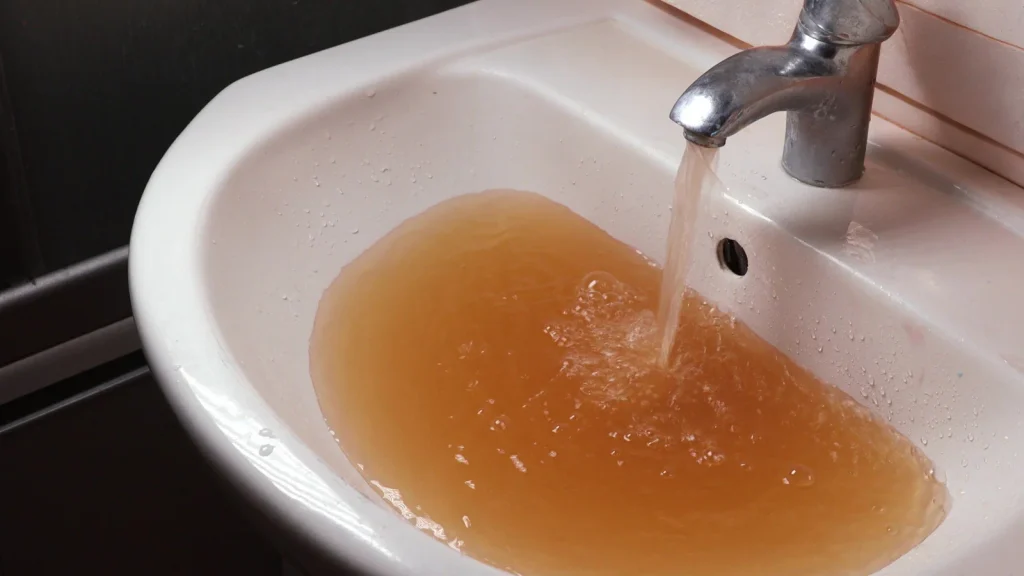
When you fill a glass from your kitchen tap, the water appears crystal clear, yet it contains a complex blend of dissolved microscopic materials. Every natural water source collects inorganic salts and small amounts of organic matter as it percolates through geological formations, flows across river basins, and travels through municipal infrastructure. These substances are collectively quantified as Total Dissolved Solids, or TDS. If you dip a handheld digital tester into your drinking water, the liquid crystal display quickly returns a numerical value measured in parts per million (ppm) or milligrams per liter (mg/L). Interpreting what that number actually represents, however, requires understanding the distinction between mineral density, electrical conductivity, and chemical safety.
Many homeowners mistakenly assume that a low TDS reading guarantees absolute purity, while a high reading automatically signals dangerous contamination. In reality, TDS is an aggregate quantitative measure rather than a qualitative diagnostic of water safety. A pristine mountain spring teeming with beneficial minerals can register a high reading, while municipal water laced with trace toxic compounds can present a remarkably low figure. To accurately assess your household supply, you need to understand the physics behind measurement devices, the operational differences between dissolved solids and mineral hardness, and the regulatory boundaries established by environmental agencies.
The Science of Total Dissolved Solids: Conductivity and Composition
Total Dissolved Solids refers to any inorganic salts and organic matter dissolved in water that can pass through a standard microscopic filter paper—typically one with pores measuring 2 microns in diameter. Suspended particles such as sand, clay, and vegetative debris are trapped by this physical barrier, leaving behind dissolved molecular ions. The predominant chemical species contributing to dissolved solids are inorganic cations and anions, including:
- Calcium (Ca2+) and Magnesium (Mg2+): Essential alkaline earth minerals leached primarily from limestone, chalk, and dolomite rock deposits.
- Sodium (Na+) and Potassium (K+): Common monovalent alkali metals derived from natural soil weathering, road de-icing runoff, and ion-exchange softening systems.
- Bicarbonates (HCO3−) and Carbonates (CO32−): Compounds critical for buffering water against abrupt pH swings and contributing to total alkalinity.
- Chlorides (Cl−) and Sulfates (SO42−): Anions originating from sedimentary rocks, agricultural runoff, industrial effluent, or chlorination disinfection practices.
- Nitrates (NO3−): Agricultural compounds often introduced into groundwater through synthetic fertilizer application or failing septic drainage systems.
To deepen your understanding of how these chemical compounds interact across municipal and private water systems, our water quality fundamentals guide details the relationship between chemical equilibrium and domestic water delivery.
How Handheld Meters Measure Dissolved Solids
True laboratory quantification of dissolved solids requires a gravimetric method: technicians filter the liquid sample, heat it to evaporate the solvent completely, and dry the residual mass in an oven at 180 degrees Celsius before weighing it on an analytical balance. Because gravimetric testing is labor-intensive, consumer and field meters rely on Electrical Conductivity (EC) as an operational proxy.
Pure water (H2O) is an insulator with near-zero electrical conductivity. When salts dissolve in water, they dissociate into free-moving positive and negative ions capable of carrying an electric current. Handheld meters introduce a tiny voltage between two physical electrodes and measure the solution’s conductivity in microSiemens per centimeter (µS/cm). The device internal microprocessor then multiplies the conductivity reading by a conversion factor—usually between 0.50 and 0.70, depending on the assumed mineral profile—to estimate the concentration in parts per million.
This conversion relies on specific calibration profiles. An instrument calibrated to a sodium chloride standard will output a different estimated concentration than one calibrated to a 442 natural water standard (which mirrors a 40% sodium sulfate, 40% sodium bicarbonate, and 20% sodium chloride profile). Temperature also exerts a profound influence on electrical conductivity; as water warms, ionic mobility increases, raising conductivity even if the ion count remains unchanged. Quality testing meters incorporate automatic temperature compensation (ATC) to standardize readings to a reference temperature of 25 degrees Celsius.
Dissecting the Numbers: A Spectrum Analysis of TDS Levels
Because municipal and well systems vary widely depending on geography and infrastructure, TDS values fall along a broad continuum. Understanding these operational thresholds helps clarify what your reading indicates about taste, utility, and pipe protection.
- 0 to 50 ppm (Micro-demineralized): Typical of water treated by reverse osmosis, commercial distillation, or laboratory deionization. While completely safe for consumption, this water often tastes flat or insipid due to the absence of dissolved minerals, and its lack of buffering capacity can render it slightly corrosive to unlined metallic pipework.
- 50 to 150 ppm (Naturally Soft to Lightly Mineralized): Common in surface waters sourced from granite mountain catchments with minimal soluble limestone. This range is frequently preferred by coffee roasters and culinary professionals because it balances clean flavor extraction without introducing mineral scaling.
- 150 to 300 ppm (Balanced Mineral Profile): Considered by most consumers to be the ideal window for drinking water. Water within this bracket retains a crisp, refreshing mouthfeel, provides trace dietary electrolytes, and minimizes scaling tendencies on domestic heating elements.
- 300 to 500 ppm (Moderate to Heavy Mineral Density): Frequently found in municipal aquifers and limestone-rich regions. Water remains acceptable to drink and is fully compliant with municipal tap standards, though slight mineral films on glass dinnerware and gradual deposits in water heaters become noticeable.
- 500 to 1,000 ppm (High Mineral Burden): Water entering this range exhibits a distinct metallic, salty, or chalky aftertaste. Domestic appliances like dishwashers and tankless boilers suffer accelerated mineral scaling, prompting many homeowners to implement targeted filtration or conditioning equipment.
- Above 1,000 ppm (Unpalatable and Problematic): Exceeds the standard aesthetic acceptability for residential consumption. Extended exposure can cause gastrointestinal discomfort in unaccustomed individuals and can induce severe fouling of plumbing distribution networks.
Dissolved Solids Versus Water Hardness: Resolving Common Confusions
Consumers routinely conflate dissolved solids with water hardness, assuming that a high reading automatically indicates hard water. Although both metrics describe dissolved minerals, they measure fundamentally different chemical properties.
Water hardness measures the specific concentration of multivalent metallic cations—almost exclusively dissolved calcium and magnesium ions—expressed as equivalent milligrams per liter of calcium carbonate (CaCO3). Hardness is directly responsible for preventing soap from lathering, generating sticky soap scum, and precipitating scale inside water heaters when heated.
By contrast, Total Dissolved Solids accounts for all dissolved ionic species, including monovalent ions like sodium and potassium, along with non-hardness anions such as chloride and nitrate. Consider what happens when you install a traditional ion-exchange water softener: the softening unit passes hard water through a resin bed, replacing each calcium ion (Ca2+) with two sodium ions (2 Na+). The water hardness drops to near-zero grains per gallon, yet the measured dissolved solids value often increases slightly because two sodium atoms weigh more than the single calcium atom they replaced. A digital meter cannot distinguish between scale-forming calcium and benign sodium; it simply measures overall ionic density.
Regulatory Standards and Health Implications
Under the Safe Drinking Water Act, the United States Environmental Protection Agency (EPA) categorizes Total Dissolved Solids as a National Secondary Drinking Water Regulation (NSDWR). Secondary standards establish non-mandatory guidelines for contaminants that cause aesthetic, cosmetic, or technical effects rather than acute health hazards. The EPA sets a Secondary Maximum Contaminant Level (SMCL) of 500 mg/L (500 ppm) for dissolved solids.
When municipal supplies exceed 500 mg/L, utility managers typically observe an increase in consumer taste complaints, reports of stained plumbing fixtures, and corrosion or precipitation within the distribution network. Utilities operating surface water collection systems must also guarantee Surface Water Treatment Rules compliance, ensuring filtration and disinfection barriers neutralize microbial pathogens regardless of ambient dissolved mineral loads.
From a direct physiological perspective, drinking water with elevated concentrations of dissolved calcium and magnesium poses no health threat to healthy individuals. In fact, clinical research suggests that dietary intake of dissolved minerals in drinking water provides bioavailable cardioprotective benefits. However, individuals managing severe kidney disease, specific metabolic disorders, or salt-sensitive hypertension should consult healthcare providers or qualified medical professionals regarding their personal electrolyte intake.
For individuals seeking detailed clarification on aesthetic versus health-based thresholds, our comprehensive water testing and safety FAQ addresses standard municipal guidelines alongside private well considerations.
The Blind Spots of Digital TDS Meters
The ubiquity of affordable handheld digital testers has created an unfortunate false sense of security. Marketing campaigns often feature a tester dipped into a glass of tap water alongside a glass of filtered water to demonstrate product performance. While these demonstrations illustrate bulk dissolved ion reduction, they mask critical diagnostic limitations.
A digital meter reveals quantity, not identity. A reading of 120 ppm could indicate pure water containing dissolved calcium, magnesium, and harmless bicarbonate salts. Conversely, that same 120 ppm reading could consist of 119 ppm harmless minerals combined with 1 ppm of catastrophic chemical hazards. The most perilous tap water contaminants cause biological damage at concentrations measured in parts per billion (ppb) or parts per trillion (ppt)—scales completely invisible to a consumer meter.
For example, toxic heavy metals like lead and arsenic, synthetic volatile organic compounds (VOCs), microplastics, pesticides, and industrial per- and polyfluoroalkyl substances (PFAS) exert severe health risks at concentrations far below the detection floor of an electrical conductivity sensor. A water sample loaded with harmful coliform bacteria or synthetic chemicals will show a completely “clean” reading if the ambient mineral salt content is low. To understand the spectrum of non-mineral hazards in household water, review our detailed overview of common contaminants.
Furthermore, dangerous ionizing particles, governed strictly under the EPA Radionuclides Rule for drinking water, generate biological toxicity through alpha, beta, and photon emitter decay rather than macroscopic ionic mass. Assessing these risks requires certified radiochemical laboratory analysis that no consumer conductivity probe can approximate.
Aging Infrastructure, Municipal Variability, and Advanced Testing
Municipal water supplies face continuous challenges as treated water journeys through aging distribution mains and domestic branch pipes. Even when a treatment plant discharges pristine effluent, distribution integrity issues can alter water characteristics before it reaches your faucet. To examine how aging plumbing materials contribute to water quality degradation, consult our guide on water quality in older buildings.
In densely populated urban environments with mixed-era infrastructure, legacy pipe joints, lead solder, and interior brass fixtures can leach toxic heavy metals into standing water without meaningfully altering total conductivity. Because heavy metal ions can emerge unpredictably without shifting your handheld meter’s display by even a single part per million, facility managers frequently commission targeted commercial lead water testing in Midtown Manhattan to identify hidden contamination hazards in commercial real estate and residential high-rises.
This reality underscores why routine dissolved solids testing must be integrated into a broader diagnostic framework. Using a digital meter provides valuable ongoing operational intelligence—such as checking whether your reverse osmosis membrane has ruptured or confirming when a deionizing resin bed has reached exhaustion—but it cannot substitute for state-certified laboratory analysis.
Selecting the Right Remediation for Your Numbers
If your testing reveals numbers outside your desired threshold, selecting an effective water treatment strategy requires matching the filtration technology to the specific dissolved constituents present.
- Reverse Osmosis (RO): The gold standard for residential reduction of dissolved solids. By forcing pressurized water across a semipermeable membrane with pores around 0.0001 microns, RO units reject 90% to 98% of all dissolved inorganic ions, heavy metals, and trace salts. RO is particularly effective for well owners contending with elevated sodium, sulfate, or brackish groundwater.
- Deionization (DI): Employs dual cation and anion synthetic exchange resins to capture all dissolved ions, replacing them with hydrogen (H+) and hydroxyl (OH−) ions that combine to form pure water. Deionization produces ultra-pure water with zero ppm readings, making it suitable for aquariums and laboratories, though the resin beds exhaust rapidly when applied to high-hardness municipal feeds without pretreatment.
- Atmospheric Distillation: Boils incoming water into steam, leaving non-volatile minerals and heavy solids behind in a boiling chamber, before condensing the purified vapor into a collection carafe. Distillation reliably eliminates dissolved solids but consumes significant electrical energy and operates at low output volumes.
- Remineralization Cartridges: Because ultra-low dissolved solids can leave water tasting acidic or astringent, modern undersink RO systems frequently incorporate post-treatment remineralization stages. These filters pass demineralized water over food-grade calcium carbonate and magnesium oxide media, reintroducing 20 to 50 ppm of beneficial alkaline minerals to optimize taste and stabilize pH.
To stay updated on emerging filtration technologies, consumer equipment assessments, and municipal infrastructure reports, explore our library of water quality blog articles.
Actionable Takeaways for Homeowners and Property Managers
Translating dissolved solids data into a practical water stewardship plan comes down to a few fundamental rules:
- Establish a Household Baseline: Test your raw tap water with a calibrated digital meter across different seasons to determine your normal operating baseline. Sudden spikes of 50 to 100 ppm can indicate changes in municipal sourcing, distribution line disturbances, or seasonal road salt infiltration.
- Monitor Filtration Membranes: Measure the dissolved solids of your tap water alongside the product water exiting your reverse osmosis system. Calculate the rejection efficiency: if your incoming water reads 400 ppm and the treated water reads 40 ppm, your system is operating at 90% rejection. If that treated number creeps upward toward 100 ppm, your membrane has degraded and requires replacement.
- Never Treat a Low Reading as a Clean Bill of Health: Do not rely on a low digital reading to confirm the absence of dangerous pathogens, volatile industrial solvents, or heavy metals. If you suspect plumbing corrosion or source contamination, order a certified laboratory panel.
- Consult Certified Professionals: When evaluating advanced water conditioning systems for well water or commercial facilities, work directly with a Water Quality Association (WQA) certified water specialist to ensure your treatment hardware matches your water chemistry profile.
Interpreting Total Dissolved Solids is ultimately an exercise in context. A TDS reading provides a dependable gauge of overall mineral concentration, aesthetic palatability, and plumbing compatibility. By recognizing what that number reveals—and respecting what it cannot detect—you can make informed decisions about your drinking water quality and household treatment systems.