Clean, reliable drinking water is fundamental to personal health and household maintenance, yet many homeowners and tenants take what flows from the tap entirely for granted. While public utilities treat water to meet federal benchmarks before distribution, the physical journey from a centralized treatment facility to your kitchen sink involves miles of municipal mains, private service lines, and domestic plumbing. For households relying on private wells, the responsibility for verifying water purity falls squarely on the resident, with no routine public oversight whatsoever.
Understanding what is present in your domestic water supply does not require an advanced background in environmental chemistry. Modern analytical methods range from rapid screening kits designed for quick checks to comprehensive laboratory diagnostics that detect microscopic contaminants at parts-per-trillion thresholds. Learning how to properly evaluate tap water enables residents to make informed investments in filtration equipment, identify deteriorating infrastructure, and safeguard daily hydration.
Recognizing the Warning Signs in Domestic Water
Water supplies frequently carry early indicators of deterioration or contamination that manifest through sensory changes. While some of the most dangerous contaminants—such as dissolved lead, arsenic, and radon—are completely colorless, odorless, and tasteless, sensory cues often signal an immediate need for diagnostic testing.
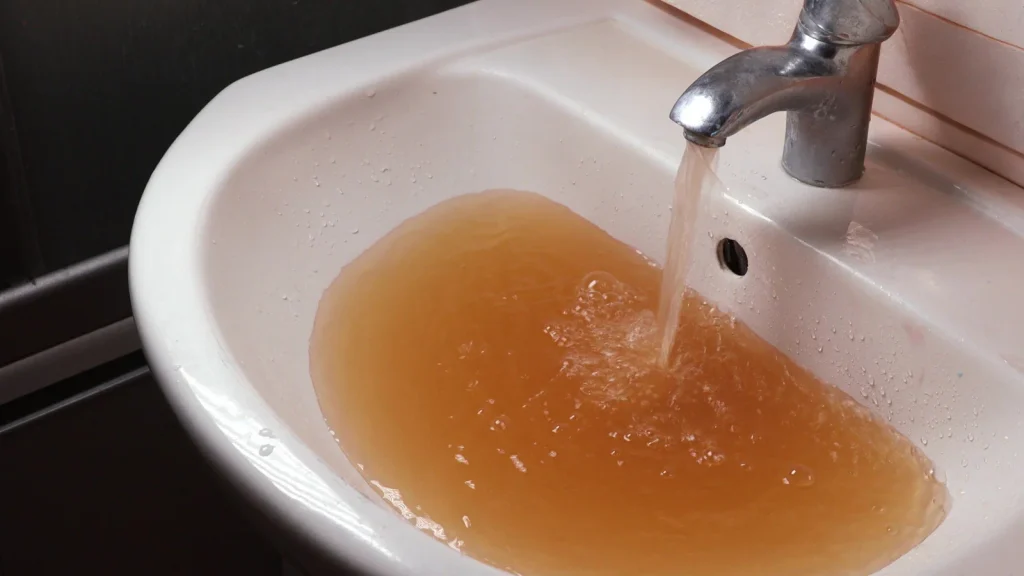
Discoloration is among the most visible signals. Reddish-brown, yellow, or orange tinting often indicates high levels of oxidized iron, which can leach from aging galvanized iron pipes or municipal water mains undergoing maintenance. Blue or green staining on porcelain fixtures, laundry, or tile grout points toward corrosive water that is actively dissolving copper plumbing lines. Black speckled particles often stem from failing rubber gaskets inside hot water tanks or filtration housings, whereas persistent cloudiness that fails to clear after sitting in a glass may indicate suspended silt, clay, or colloidal solids.
Odors and tastes offer direct clues regarding biological and chemical activity. A sharp chlorine smell reflects high residual disinfectant levels used during municipal treatment, while an earthy, musty scent typically stems from seasonal algal blooms producing organic compounds like geosmin in surface reservoirs. A rotten egg stench indicates hydrogen sulfide gas, which can originate from sulfur-reducing bacteria living within deep well aquifers or an overheating sacrificial anode rod inside a water heater. Metallic or bitter flavors suggest elevated concentrations of iron, manganese, zinc, or copper.
Municipal Supplies Versus Private Well Water
The regulatory and environmental framework governing your tap depends directly on the original water source. Municipal utilities operate under strict federal guidelines outlined in the Safe Drinking Water Act. These centralized providers continuously monitor distribution networks, publish annual Consumer Confidence Reports, and maintain minimum residual disinfectant levels to prevent bacterial regrowth during transit.
However, compliance at the treatment plant does not guarantee purity at the point of consumption. Corrosive water can dissolve heavy metals from service lines, brass fixtures, and lead-soldered joints located well past the municipal utility meter. Those living in urban settings frequently encounter legacy distribution challenges; for instance, understanding water quality in older buildings is crucial when assessing whether pre-1986 plumbing materials continue to compromise an otherwise compliant city supply.
Private wells operate under an entirely different paradigm. Well owners receive no federal monitoring, no routine chemical disinfection, and no automated alerts when groundwater tables shift. Surface runoff from nearby agriculture can carry nitrates, pesticides, and microbial pathogens into shallow aquifers, while natural geological formations can leach arsenic, uranium, fluoride, or excessive hardness minerals directly into private intake zones. Maintaining well integrity requires an active, structured sampling regimen.
Common Household Drinking Water Contaminants
Diagnostic testing focuses on identifying contaminants that pose acute physiological hazards, chronic health risks, or aesthetic disruptions. Grouping these contaminants into operational categories helps prioritize your testing strategy:
- Microbiological Pathogens: Total coliform bacteria, Escherichia coli (E. coli), and protozoan cysts like Giardia lamblia and Cryptosporidium. These organisms enter water supplies through sewage leaks, septic system failures, agricultural runoff, or compromised pipe seams, leading to acute gastrointestinal illness.
- Heavy Metals and Inorganics: Lead, copper, arsenic, nitrates, and nitrites. Lead accumulates over time in bones and soft tissues, presenting severe neurodevelopmental hazards for infants and young children. Nitrates, typically originating from fertilizer runoff and animal waste, impair blood oxygen transportation, representing a critical risk to infants.
- Synthetic Chemicals and Volatile Organic Compounds (VOCs): Pesticides, industrial solvents, fuel additives, and per- and polyfluoroalkyl substances (PFAS). These synthetic compounds persist indefinitely in groundwater basins and require specialized chromatographic analysis.
- Secondary and Aesthetic Parameters: Hardness (dissolved calcium and magnesium), total dissolved solids (TDS), pH, iron, and manganese. While these parameters rarely present direct physiological risks at moderate levels, extreme pH values accelerate pipe corrosion, whereas excessive hardness creates scale buildup that damages domestic appliances.
Overview of Water Testing Methods
Selecting an effective testing method involves balancing budget constraints, precision requirements, and specific local risk profiles. The primary testing tiers available to consumers include:
At-Home Rapid Test Strips and Colorimetric Kits
Rapid test strips provide an economical, immediate screening tool for preliminary checks. These strips utilize dry reagent pads that change color when exposed to specific chemical parameters, including total hardness, free chlorine, pH, alkalinity, and nitrate concentrations. Color disc comparator kits and liquid reagent drop tests offer slightly higher precision, particularly when calibrating water softening equipment or measuring aquarium parameters. However, test strips lack the sensitivity needed to detect trace toxins reliably and cannot serve as definitive confirmation for trace heavy metals or synthetic organic pollutants.
Digital Meters (TDS and pH)
Handheld digital devices measure electrical conductivity to calculate Total Dissolved Solids in parts per million (ppm). While a TDS meter confirms whether a reverse osmosis membrane is functioning properly, it cannot distinguish between beneficial dissolved minerals (such as calcium and magnesium) and dangerous toxins like lead, cadmium, or arsenic. Digital pH pens help verify whether incoming water is acidic (below 6.5) and likely to leach metals from domestic pipes, but they remain supplementary tools rather than comprehensive diagnostic instruments.
Certified Laboratory Testing
Certified environmental laboratories deliver the gold standard in water analysis. Certified technicians employ inductively coupled plasma mass spectrometry (ICP-MS), gas chromatography, and high-performance liquid chromatography to detect individual contaminants down to parts-per-billion (ppb) or parts-per-trillion (ppt) resolutions. Laboratory testing provides legally defensible, highly accurate reports essential for well commissioning, real estate transactions, and baseline home evaluations.
Specialized testing extends beyond basic chemistry. Commercial facilities and residential properties with centralized cooling towers or complex internal water loops often schedule professional Legionella water testing in Brooklyn to prevent aerosolized bacterial outbreaks in large distribution networks. These targeted diagnostic procedures require precise microbiological culturing and rigorous incubation controls that cannot be replicated with off-the-shelf consumer kits.
How to Select a Certified Testing Laboratory
When selecting a commercial testing laboratory, always verify state or national accreditation. In the United States, accredited facilities maintain certification through state environmental protection agencies or the National Environmental Laboratory Accreditation Program (NELAP). Choosing an accredited laboratory ensures that calibration standards, chain-of-custody protocols, and quality control procedures align with strict federal standards.
Avoid commercial water treatment sales outfits that offer “free” water tests inside your home. These demonstrations frequently rely on precipitating agents designed to turn dissolved minerals into dramatic cloudy sludge, misleading homeowners into believing ordinary, safe mineral content represents dangerous industrial contamination. Independent, third-party laboratories do not sell filtration hardware, ensuring their analytical reports remain entirely objective and unbiased.
Many regional authorities oversee testing programs to assist residents; reviewing the official EPA drinking water regulations and compliance rules clarifies which specific contaminants are federally monitored and which thresholds trigger remediation guidelines. Consulting these regulatory resources ensures that your laboratory analysis covers all priority parameters relevant to your water source.
Certain regions require customized testing profiles due to local environmental histories. For example, specialized protocols for municipal water testing in Manhattan frequently evaluate both legacy municipal distribution mains and potential contamination originating from building-specific rooftop storage tanks. Verifying whether your chosen laboratory regularly handles municipal profiles tailored to your region ensures your sample covers the relevant contaminant vectors.
Step-by-Step Guide to Collecting Water Samples
The accuracy of any laboratory water analysis depends entirely on how the sample was gathered. Inaccurate collection techniques can introduce environmental bacteria, strip out volatile compounds, or misrepresent plumbing stagnation. Follow this standardized protocol to collect an accurate domestic sample:
- Review Laboratory Instructions: Unpack your testing kit and review the sampling manual thoroughly. Many testing packages include multiple containers containing liquid or powdered chemical preservatives (such as nitric acid for heavy metals or sodium thiosulfate for microbial testing). Do not rinse these bottles or discard internal preservatives.
- Target the Primary Drinking Tap: Collect samples from the fixture most frequently used for drinking and cooking, usually the cold-water kitchen faucet. Do not sample from outdoor hose bibbs, laundry tubs, or shower heads unless specifically testing those branch lines.
- Remove Attachments: Unscrew any faucet aerators, screens, pull-out spray heads, water filter adapters, or point-of-use purifiers. Aerators harbor debris and biofilms that introduce false positives into microbiological samples.
- Execute the “First Draw” (If Testing for Metals): For evaluating lead and copper leaching, collect a “first draw” sample immediately after water has remained stagnant in your pipes for a minimum of six to eight hours (typically first thing in the morning). Place the bottle directly under the spout, turn the cold water on, and fill to the marked fill line without letting water run down the drain beforehand.
- Execute the “Flushed Draw” (For Well Chemistry or Source Water): If testing the general source water or well aquifer, turn on the cold water faucet to a moderate, steady flow and let it run for three to five minutes. For deep wells, allow the water to run until you hear the well pump activate and feel the water temperature drop noticeably, ensuring you are sampling aquifer water rather than stagnant casing storage.
- Maintain Sterile Technique for Bacteria: When filling the sterile microbiological bottle, do not touch the inside of the cap or the rim of the container. Keep the water flow at a gentle, non-splashing stream. Fill the bottle to the marked line and recap it immediately.
- Pack and Ship Promptly: Secure all bottle caps tightly, complete the chain-of-custody documentation, insert frozen ice packs as directed by the kit manufacturer, and ship the package via overnight courier. Most microbial and nitrate samples must reach the laboratory within 24 to 30 hours of collection to prevent sample degradation.
Interpreting Your Laboratory Results
Receiving an analytical laboratory report can feel overwhelming due to specialized units and regulatory acronyms. Laboratory reports generally present findings across standardized metrics:
Contaminant concentrations are expressed in milligrams per liter (mg/L), which equals parts per million (ppm), or micrograms per liter (µg/L), which equals parts per billion (ppb). One part per billion is equivalent to a single drop of water in an Olympic-sized swimming pool. Highly persistent chemicals, such as PFAS compounds, are often measured in nanograms per liter (ng/L), representing parts per trillion (ppt).
Reports compare your individual findings against two critical benchmarks: Maximum Contaminant Levels (MCLs) and Maximum Contaminant Level Goals (MCLGs). An MCL is an enforceable federal standard representing the highest allowable concentration of a contaminant permitted in public drinking water, taking into account available filtration technology and treatment costs. An MCLG represents the ideal health threshold below which there is no known or anticipated health risk, often set at zero for confirmed carcinogens like lead and benzene.
Secondary Maximum Contaminant Levels (SMCLs) address non-enforceable aesthetic parameters, including color, odor, foaming, and staining potential. Exceeding an SMCL indicates that your water may cause plumbing scale or fixture discoloration, but does not necessarily denote an acute health hazard. For answers to common terminology questions and test parameter explanations, browsing an established water testing and safety FAQ can help homeowners quickly contextualize their laboratory findings.
Establishing an Annual Testing Schedule
Water testing is not a one-time chore; water tables and municipal distribution systems fluctuate across seasons. For private well supplies, routine baseline testing represents an ongoing responsibility. Reviewing formal EPA recommendations for private well owners provides clear guidance on establishing a yearly monitoring protocol for coliform bacteria, nitrates, total dissolved solids, and local agricultural contaminants.
Beyond annual routines, specific events demand immediate re-testing of private well water:
- A sudden shift in water appearance, odor, clarity, or taste.
- Unexplained, persistent gastrointestinal illness within the household.
- Flooding, heavy surface runoff, or standing water submerging the wellhead casing.
- Nearby industrial activities, chemical spills, commercial construction, or utility installations.
- Recent plumbing modifications, new well pump installation, or casing repairs.
- Welcoming a newborn infant into the home, requiring immediate verification of low nitrate and lead levels.
Municipal users should test their water when moving into an older home, when public notices advise on localized main breaks, or when remodeling domestic plumbing lines. Keeping an archive of previous laboratory results allows you to spot gradual trends, such as creeping hardness or decreasing pH, long before structural pipe failure occurs.
Choosing the Right Filtration Solution
Once you possess an accredited laboratory report detailing your exact water chemistry, you can select targeted treatment equipment rather than guessing with generic filters. No single residential filtration system removes every category of contaminant, making customized configuration essential.
Activated carbon filters (found in standard countertop pitchers, refrigerator dispensers, and under-sink units) excel at adsorbing chlorine, chloramines, volatile organic chemicals, and unpleasant tastes and odors. High-performance solid carbon block filters can also reduce lead and select pesticides when certified under NSF/ANSI Standard 53. However, standard carbon filters do not remove dissolved nitrate salts, heavy mineral hardness, arsenic, or microbiological cysts.
Reverse osmosis (RO) systems push pressurized water through a semi-permeable membrane that strips out dissolved inorganics, including lead, nitrates, sulfates, fluoride, and modern synthetic compounds like PFAS. Point-of-use RO systems mounted under the kitchen sink offer exceptional drinking water purification, though they generate a small wastewater stream during filtration.
Ion exchange water softeners replace excess dissolved calcium and magnesium ions with sodium or potassium ions, preventing scale deposits in water heaters and plumbing lines. For biological disinfection in private wells, ultraviolet (UV) treatment systems neutralize bacterial DNA, rendering pathogens harmless without introducing chemical additives. However, UV systems require pre-filtration to ensure suspended particles do not shield microbes from the light.
Next Steps for Household Water Safety
Regular diagnostic testing provides peace of mind and protects household health. To expand your understanding of domestic filtration technologies and emerging environmental concerns, explore practical water quality blog articles that explain water treatment systems and seasonal quality variations. When designing a filtration setup, reviewing curated drinking water safety resources can help match laboratory parameters with independently verified filtration technologies.
If your test results reveal contaminant levels exceeding established health guidelines, avoid making hasty equipment purchases based on generalized sales claims. Instead, take your comprehensive laboratory report to certified public health professionals or contact us to interpret complex diagnostic data and design an effective, long-term treatment strategy for your household.