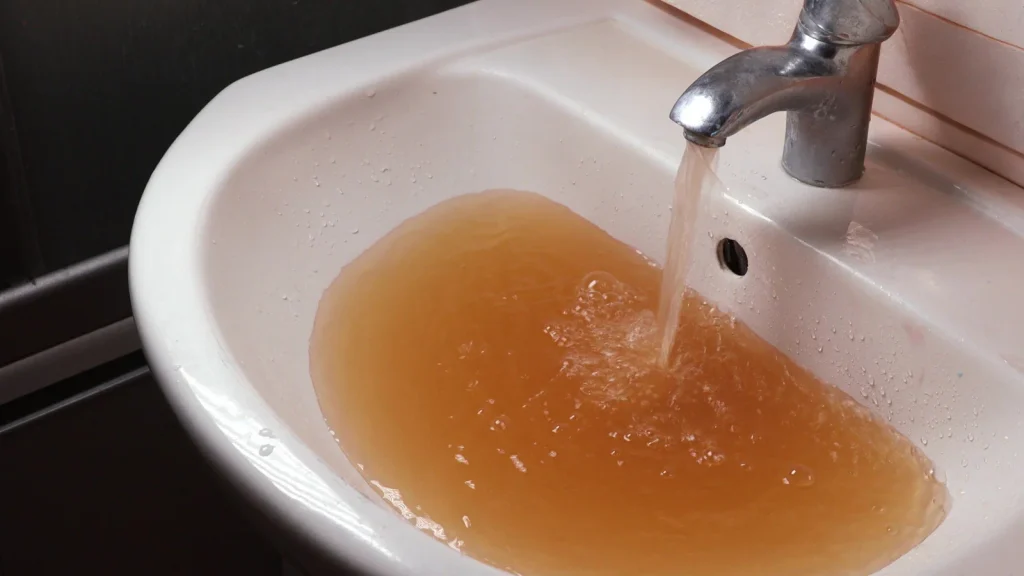
When atmospheric conditions unleash intense precipitation over short intervals, the immediate visual impact is often surface inundation: flooded streets, overwhelmed retention basins, and swollen rivers. Yet beneath the surface water line, an invisible environmental transformation unfolds across municipal watersheds and groundwater reservoirs. Understanding how localized atmospheric moisture translates into drinking water vulnerability requires examining hydrological pathways from cloud formation down to deep aquifer bedrock.
Water systems do not exist in isolation from climate patterns. As global weather systems produce warmer air masses capable of retaining significantly greater volumes of moisture, downpours strike the earth with higher kinetic energy and unprecedented volume. The resulting hydraulic pressure disrupts ecological filtration systems that communities have relied on for generations, turning runoff into an active vector for physical, biological, and chemical contamination.
Atmospheric Moisture Dynamics and Extreme Storm Surges
The Clausius-Clapeyron relation dictates that for every 1°C increase in atmospheric temperature, air can hold roughly 7% more water vapor. When large-scale frontal systems stall or tropical depressions make landfall, this thermodynamic potential converts into torrential, localized downpours. Rather than allowing water to gently infiltrate porous soils, these high-intensity events create rapid sheet wash across diverse topographies.
In coastal zones and low-lying river valleys, heavy rainfall frequently coincides with storm surges—wind-driven ocean water forced inland against natural drainage channels. This collision creates a severe hydrological bottleneck known as compound flooding. When surging marine water blocks outward river flow, inland rainwater has nowhere to go. Floodwaters pool over broad geographic expanses, saturating soils, elevating water tables, and submerging urban and agricultural infrastructure under immense hydrostatic force.
The mechanics of storm surges extend far beyond surface destruction. The physical weight of accumulated surface water forces surface debris, industrial solvents, and pathogenic microbes downward into subterranean geological fissures that are normally protected from rapid surface recharge.
Hydrogeological Transport: Aquifer Inundation and Soil Saturation
Natural aquifers rely on unhurried percolation through layers of gravel, sand, clay, and sedimentary rock to purify infiltrating water. Soil microbiomes break down organic matter, while mineral matrices bind heavy metals and suspended particles. Extreme precipitation short-circuits this natural equilibrium through several distinct physical mechanisms:
- Hydraulic Short-Circuiting: Intense precipitation overburdens soil absorption capacity. Excess volume bypasses the fine pore networks of topsoil, pouring directly into macro-pores, sinkholes, seismic fractures, and unsealed wellheads without adequate mechanical filtration.
- Water Table Inversion: Saturated ground causes shallow water tables to rise rapidly. When water levels rise above underground storage tanks, chemical pipelines, and wastewater septic drain fields, those submerged systems leak contaminants directly into the active groundwater flow.
- Aquifer Overpressurization: Rapid aquifer recharge creates localized hydraulic pressure spikes. This dislodges naturally occurring minerals—such as iron, manganese, and arsenic—from surrounding geological formations, mobilizing them into municipal extraction wells.
Public health institutions have repeatedly shown that rapid water table shifts alter the geochemical balance of subterranean aquifers. For instance, according to NIEHS environmental health data on arsenic, changes in groundwater levels and oxidation-reduction potential can accelerate the release of toxic inorganic elements from bedrock directly into domestic drinking supplies.
Municipal Infrastructure Failure: The Combined Sewer Bottleneck
Hundreds of older urban centers across North America and Europe rely on combined sewer systems designed to transport municipal sewage and industrial effluent alongside surface stormwater runoff within a shared conduit. Under normal operational loads, treatment plants process this collective inflow before discharging clean effluent into receiving waterways. Cloudbursts, however, quickly exceed treatment plant capacities.
To prevent raw sewage from backing up into residential basements and commercial ground floors, municipal relief valves trigger Combined Sewer Overflows (CSOs). Millions of gallons of untreated wastewater containing enteric viruses, fecal bacteria, pharmaceuticals, and toxic industrial lubricants dump into adjacent estuaries, rivers, and coastal reservoirs. These same bodies of water often serve as the raw intake source for downstream communities.
Even in modern cities with separated storm and sanitary sewers, stormwater infiltration and inflow (I&I) regularly overwhelms aging pipes through cracked joints, damaged access ports, and illicit sump pump connections. Readers exploring our water quality fundamentals guide will recognize that water treatment facilities cannot always handle extreme turbidity and organic spikes without altering disinfection protocols, sometimes generating hazardous chemical byproducts in the process.
Chemical and Microbial Contaminant Mobilization
Flash precipitation acts as a massive solvent across both industrial cityscapes and rural farmlands. In agricultural regions, excessive sheet runoff strips nitrogen and phosphorus fertilizers from topsoil, depositing them into freshwater lakes and reservoirs. This nutrient loading fuels harmful cyanobacterial blooms (blue-green algae), which produce microcystins—potent hepatotoxins that conventional municipal chlorination struggles to neutralize.
In suburban and urban corridors, floodwaters wash over manufacturing facilities, commercial airports, and landfills. These inundations mobilize persistent synthetic pollutants, notably per- and polyfluoroalkyl substances. The ATSDR clinical and environmental PFAS guidance emphasizes that these fluorinated compounds resist natural breakdown, move rapidly in saturated hydrogeological environments, and pose long-term physiological challenges when introduced into community reservoirs.
A comprehensive overview of common contaminants typically highlights microbial pathogens as the most immediate post-storm risk. Heavy rains flush livestock waste and failing septic systems into water supplies, triggering spikes in:
- Cryptosporidium parvum and Giardia lamblia oocysts, which resist standard chlorine treatment and require absolute microfiltration.
- Pathogenic strains of Escherichia coli and Salmonella species that induce severe gastrointestinal distress.
- Enteroviruses and Noroviruses capable of remaining viable in saturated groundwater environments for months.
The Hidden Impact on Aging Buildings and Distribution Networks
While municipal treatment plants work to clean storm-impacted water, the distribution system itself represents another major point of failure. Flash flooding can erode water main bedding, causing severe pipe fractures. When main pipes suffer pressure drops during a storm, back-siphonage can pull surrounding groundwater, silt, and surface floodwaters straight through micro-fractures and unsealed pipe joints.
Inside private properties, extreme humidity, shifting soil foundations, and fluctuating municipal supply pressures accelerate internal corrosion. Severe weather frequently exacerbates issues tied to water quality in older buildings, where galvanized iron, brass fittings, and historical solder leach heavy metals into stagnant building lines. Sudden changes in source water chemistry—such as altered pH levels or increased chloride-to-sulfate mass ratios following storm runoff—can strip protective mineral passivating scales off the interior walls of legacy plumbing.
The structural complexity of dense commercial structures presents unique challenges during regional weather events. Facilities managers managing large structures frequently commission specialized office building lead water testing in New York City and other dense metropolitan centers to identify whether municipal pressure changes or building settling have dislodged toxic particulates. Detailed NIEHS research on lead toxicity and plumbing confirms that even minuscule concentrations of lead exposure inflict lasting neurotoxic damage, making post-storm verification essential for multi-story residential and commercial spaces alike.
Mitigation, Resilience, and Practical Protection Measures
Addressing the water quality vulnerabilities exposed by severe storms requires a dual-track strategy: structural regional planning combined with verified point-of-use precautions. Watershed managers, property owners, and water consumers can take specific, measurable steps to build resilience against extreme weather cycles.
Regional Watershed Management and Green Infrastructure
Municipalities are increasingly pivoting away from rigid concrete channeling in favor of nature-based storm attenuation strategies:
- Bioswales and Rain Gardens: Engineered vegetative swales slow storm runoff velocity, trap suspended sediments, and filter hydrocarbons before runoff enters natural streams.
- Permeable Pavement Installation: Replacing impervious asphalt in parking facilities and secondary roadways allows stormwater to infiltrate naturally into deep gravel beds, recharging aquifers without flooding sewer lines.
- Constructed Retention Wetlands: Large-scale wetlands act as natural flood sponges, utilizing aquatic plant root structures to absorb excess agricultural nitrates and heavy metals.
Private Well and Property Defense Protocols
Rural and suburban property owners who rely on private groundwater wells face heightened exposure during and immediately after severe rainfall events. Because private wells are not monitored by municipal utility authorities, owners must take direct charge of water safety:
- Inspect the Sanitary Well Seal: Ensure the well casing extends at least 12 inches above the historical high-water mark, and confirm the sanitary cap vent screen is intact to block insects and surface runoff.
- Maintain Backflow Prevention: Install certified atmospheric vacuum breakers on exterior hose bibbs and backflow preventers on irrigation lines to stop contaminated surface puddles from siphoning into internal potable lines.
- Enact Post-Flood Disinfection: If surface floodwaters submerge a wellhead, do not run the pump continuously, as this draws sediment deep into the casing. Disinfect the system via shock chlorination and obtain certified laboratory clearance before resuming consumption.
- Implement Multi-Barrier Point-of-Use Filtration: Combine sub-micron sediment pre-filters with certified solid-block activated carbon and validated ultraviolet (UV) purification or reverse osmosis units to guard against microbial breakthrough.
Property owners navigating post-storm recovery can consult our water testing and safety FAQ for guidance on sampling procedures and laboratory chain-of-custody protocols. For additional regional analyses and deep dives into hydrological trends, explore our complete archive of water quality blog articles.
Looking Ahead: The New Hydrological Baseline
Heavy rainfall and climate shifts are permanently altering the conditions under which clean water is sourced, treated, and delivered. The historic assumption that soil layers and standard municipal treatment can handle storm surges without operational changes no longer holds. As storm events grow more frequent and severe, recognizing the link between atmospheric conditions and aquifer vulnerability becomes essential.
Protecting potable water requires acknowledging that precipitation is not purely a surface drainage issue. By monitoring local watershed health, fortifying municipal distribution pipes, and validating indoor tap water through rigorous laboratory testing, communities can maintain safe drinking water in an era of unpredictable weather.