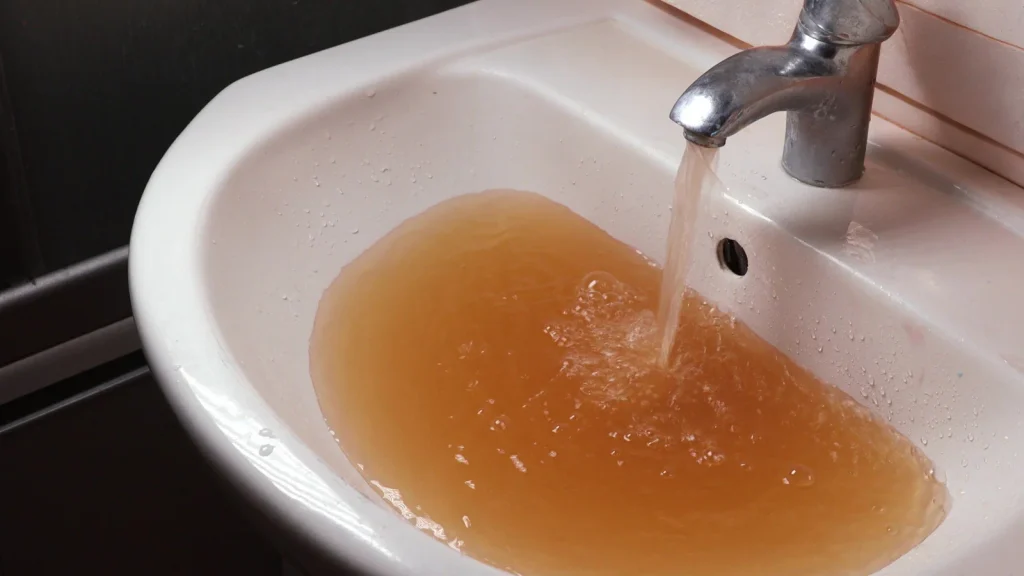
Every time you turn on a faucet, wash a load of laundry, or step into the shower, you interact with an invisible chemical balance that shapes your daily routine. Water is rarely pure hydrogen and oxygen; as precipitation filters through layers of bedrock, limestone, and soil, it dissolves trace minerals along the way. Depending on the local geology and municipal treatment protocols, the water arriving at your fixtures will classify as either hard or soft. While this distinction might sound like a subtle detail reserved for hydrologists, it has immediate, measurable consequences for your domestic plumbing infrastructure, the efficiency of your major appliances, and your personal wellness.
Understanding the fundamental difference between hard and soft water allows property owners and tenants alike to make informed decisions regarding home maintenance and personal care. The discussion is not merely about aesthetic preference or soap lather. Hardness levels directly dictate the lifespan of water heaters, pipe integrity, energy consumption, and the barrier function of human skin. By analyzing the chemistry of domestic water supplies alongside the mechanical realities of modern plumbing, we can separate genuine health and structural risks from harmless aesthetic nuisances.
The Chemistry of Water Hardness: Dissolved Minerals Explained
At its core, water hardness refers to the concentration of dissolved multivalent metallic cations, primarily calcium (Ca²⁺) and magnesium (Mg²⁺). In certain regions, dissolved iron, manganese, and strontium also contribute to the overall mineral profile. When rain falls, it is naturally soft and slightly acidic due to atmospheric carbon dioxide. As this water percolates through carbonate rocks such as limestone, dolomite, and chalk, it dissolves calcium carbonate and magnesium carbonate, absorbing these ions into solution.
Water hardness is typically measured in either milligrams per liter (mg/L), parts per million (ppm), or grains per gallon (gpg). Hydrological standards established by the U.S. Geological Survey (USGS) and environmental regulators categorize water into specific concentration brackets:
- Soft water: 0 to 60 mg/L (0 to 3.5 gpg) of calcium carbonate equivalent.
- Moderately hard water: 61 to 120 mg/L (3.5 to 7.0 gpg).
- Hard water: 121 to 180 mg/L (7.0 to 10.5 gpg).
- Very hard water: Greater than 180 mg/L (over 10.5 gpg).
Soft water, conversely, contains low concentrations of these specific minerals, often having a higher relative balance of sodium or potassium ions. Soft water can occur naturally in areas where surface runoff flows over igneous rocks like granite, which do not dissolve readily into ions, or it can be generated mechanically through household ion-exchange water softeners.
Household Impact: How Hard Water Affects Plumbing and Longevity
The domestic impact of hard water is dominated by a thermodynamic reaction: precipitation. When hard water is heated or undergoes a change in pressure, dissolved calcium bicarbonate breaks down into solid calcium carbonate, carbon dioxide, and water. This white, chalky deposit—commonly termed limescale or mineral encrustation—adheres tenaciously to metal surfaces inside piping, tankless heat exchangers, boilers, and fixture aerators.
Over several years, scale accumulation restricts internal pipe diameters, impeding water flow and drastically reducing static and dynamic pressure throughout the home. Unlike organic biofilm or simple sediment that flushes out during routine maintenance, limescale calcifies into a cement-like stratum. In closed loop systems or high-temperature zones, this mineral barrier forces pumps to work harder and introduces thermal inefficiencies that degrade metallic joints.
The Crippling Effect on Water Heaters and Energy Bills
Nowhere is the cost of hard water more apparent than inside a conventional or tankless water heater. Limescale serves as an exceptionally effective thermal insulator. When a layer of scale just one-eighth of an inch thick accumulates on an electric heating element or along the bottom of a gas water heater tank, heat transfer efficiency drops by roughly 10 to 15 percent. Gas burners must fire longer, and electric elements must operate at significantly elevated temperatures to bring the surrounding water to the set thermostat level.
This persistent thermal stress leads to premature element burnout, localized tank overheating, and eventual structural rupture. Tankless units are particularly vulnerable; narrow passages inside copper heat exchangers can choke completely within two to three years of exposure to unconditioned, very hard water. To safeguard these systems, homeowners must frequently descale units using recirculated food-grade acids or install physical water treatment devices to avoid costly appliance replacement.
Fixtures, Valves, and Household Appliances
Beyond main heaters, hard water wages a quiet war of attrition against small plumbing mechanisms. Modern ceramic disc faucet cartridges, solenoid valves in dishwashers, and internal washing machine components suffer accelerated wear from abrasive mineral crystals. Dishwashers struggle because calcium ions neutralize active surfactants in detergents, leaving etched cloudy films on glassware and calcified rings along heating coils. Showerheads gradually develop uneven spray patterns as individual rubber nozzles clog with mineral kernels.
Because mineral buildup is an aesthetic and mechanical concern rather than an acute toxic hazard, federal oversight categorizes it differently than synthetic toxins. Homeowners can review the EPA secondary drinking water standards for nuisance chemicals to see how regulatory bodies establish non-enforceable cosmetic and aesthetic guidelines for minerals like iron, manganese, and total dissolved solids without mandating municipal removal.
The Hidden Risks of Naturally Soft Water and Over-Softening
Given the scale problems caused by calcium and magnesium, it is tempting to view soft water as an unmitigated mechanical blessing. However, completely unconditioned or naturally acidic soft water introduces its own severe engineering hazards, predominantly centered on chemical corrosiveness. Water that lacks mineral saturation is frequently aggressive, seeking to dissolve ions from whatever solid surfaces it touches.
When soft water possesses a low pH (acidic) and low alkalinity, it readily leaches copper, brass, and solder from residential distribution systems. Pinhole leaks along horizontal copper pipe runs are frequently caused not by excessive pressure, but by soft, aggressive water slowly stripping the inner protective oxide patina of the copper tubing. This corrosive interaction degrades plumbing assets and introduces metallic contaminants directly into the drinking glass.
Because mineral leaching poses serious risks to domestic water supplies, property owners frequently rely on NYC certified water testing specialists to assess whether municipal or private water sources carry aggressive corrosion indexes that threaten structural piping. You can also review an overview of common contaminants to see how low mineral alkalinity correlates with elevated heavy-metal pickup in residential plumbing loops.
Human Health: Dietary Minerals vs. Sodium Intake
The health debate surrounding hard versus soft water centers on biological bioavailability. The human body requires substantial daily amounts of calcium and magnesium for skeletal strength, neuromuscular transmission, blood coagulation, and enzymatic regulation. Drinking hard water serves as an incidental dietary source of these essential minerals. Epidemiological studies evaluated by the World Health Organization have observed a modest inverse correlation between drinking water hardness and cardiovascular mortality, suggesting that dissolved magnesium may offer a slight protective benefit against hypertensive events.
However, drinking water should never replace a balanced diet rich in leafy greens, dairy, legumes, and nuts. For the vast majority of healthy adults, drinking hard water is medically benign. The primary medical caveat involves individuals predisposed to calcium oxalate kidney stones; while dietary calcium generally binds oxalate in the gut to reduce stone risk, individuals with specific metabolic or renal filtration disorders should seek clinical advice from their nephrologist or general physician regarding high-mineral water intake.
Sodium Absorption from Ion-Exchange Softeners
The health conversation shifts significantly when evaluating artificially softened water. Traditional salt-based water softeners utilize an ion-exchange process: for every calcium or magnesium ion captured from the supply, the resin releases two sodium ions into the finished water stream. The harder the source water, the more sodium is introduced into the drinking tap.
For individuals adhering to strict low-sodium diets due to congestive heart failure, chronic kidney disease, or severe hypertension, drinking artificially softened water can contribute unwanted sodium load. In such setups, plumbing configurations should route unsoftened cold water directly to dedicated kitchen drinking taps, or homeowners should pair their water softener with a point-of-use reverse osmosis filtration unit that completely removes the added sodium prior to consumption.
Dermatological Realities: Skin, Hair, and the Moisture Barrier
While hard water minerals are largely harmless to ingest, their impact on external human tissue is decidedly less accommodating. When soap is applied in hard water, the fatty acids in the soap molecule bond with calcium and magnesium ions instead of dissolving cleanly in water. This reaction forms an insoluble, curd-like precipitate commonly known as soap scum.
Rather than rinsing away smoothly, this scum deposits directly onto the skin and scalp. The consequences for dermatological health are tangible:
- Disruption of the stratum corneum: The insoluble film coats the skin, clogging pores and preventing natural lipids from sealing in hydration.
- Elevated surface pH: Normal skin maintains a slightly acidic mantle (pH ~4.5 to 5.5). Alkaline mineral salts elevate skin pH, triggering inflammation, pruritus, and localized irritation.
- Exacerbation of chronic conditions: Individuals suffering from atopic dermatitis (eczema) or psoriasis consistently experience heightened flare-ups when bathing in hard water.
- Hair dullness and breakage: Mineral deposits dry out the hair shaft, lifting the outer cuticle layer and causing hair to feel brittle, tangly, and resistant to conditioning treatments.
Shifting to soft water eliminates soap curd formation entirely, allowing true soap and body washes to lather effortlessly and rinse away completely. Users frequently describe soft water as leaving a slippery or silky sensation on the skin. While some mistake this sensation for residual soap, it is actually the natural oils of the skin unencumbered by drying mineral curds.
Evaluating Older Structures: Corrosion, Leaching, and Pipe Infrastructure
In older residential buildings, the choice of water conditioning cannot be made without considering the composition of historical plumbing materials. Structures constructed prior to the mid-1980s frequently contain galvanized iron pipes, copper lines joined with high-lead solder, or even legacy lead service connections. In these aging systems, hard water actually forms a temporary mineral barrier layer that prevents raw metal from leaching directly into the tap water.
If a property owner abruptly installs an aggressive ion-exchange system in such a setting, the soft water can strip away the protective calcium carbonate scale, exposing bare lead solder or rusted iron directly to the flowing water. For this reason, facilities conducting condominium lead water testing in Manhattan examine water chemistry holistically, evaluating whether aggressive softening protocols might accidentally trigger toxic heavy-metal contamination. Homeowners and board managers can explore the unique infrastructure challenges of water quality in older buildings to balance limescale mitigation against hazardous metal exposure.
Federal agencies maintain stringent thresholds regarding chemical safety and distribution line integrity. Property owners can consult the broader framework of EPA drinking water standards and health advisories to understand how water chemistry, corrosion control, and municipal disinfectant protocols interact within complex delivery networks.
Diagnostic Approaches: Identifying Your Water Profile
Before investing thousands of dollars in mechanical water softeners, descalers, or point-of-entry treatment systems, homeowners must obtain precise empirical data regarding their baseline water quality. Because municipal water authorities draw from various aquifers and surface reservoirs, water hardness can fluctuate seasonally.
Municipal water suppliers publish an annual Consumer Confidence Report (CCR) detailing regional hardness ranges and treatment chemistries. These reports often reflect broader watershed preservation efforts aligning with EPA source water protection principles, which protect groundwater from excessive agricultural and industrial runoff. However, municipal testing reflects water conditions when it departs the processing plant, not when it emerges from your home’s aging riser.
Homeowners can consult specialized resources like water quality blog articles and review an updated water testing and safety FAQ to identify the testing methods best suited for their property. Standard diagnostic steps include:
- Titration drop test kits: Chemical reagent kits that provide accurate, on-site measurements of hardness grains per gallon.
- TDS meters: Handheld probes that assess total dissolved solids, offering a quick preliminary screening of mineral density.
- Certified laboratory panel: Comprehensive laboratory analysis that simultaneously measures hardness, pH, alkalinity, heavy metals, and corrosive saturation indexes (such as the Langelier Saturation Index).
Treatment Technologies: Weighing Modern Solutions
When tests confirm that water hardness or softness falls outside acceptable operational boundaries, homeowners can choose from several treatment approaches, each offering distinct trade-offs in plumbing protection, water consumption, and maintenance complexity.
Traditional salt-based ion-exchange softeners remain the industry benchmark for eliminating calcium and magnesium. These dual-tank systems use polystyrene resin beads charged with sodium or potassium. While remarkably effective at halting limescale and restoring soap efficiency, they require regular salt replenishment, generate saline wastewater during backwash cycles, and face regulatory restrictions in arid regions where brine discharge harms municipal reclaimed water facilities.
For homes where limescale prevention is desired without altering water chemistry, physical water conditioners and template-assisted crystallization (TAC) systems offer an appealing alternative. TAC systems do not extract minerals from the water; instead, microscopic nucleation sites transform dissolved calcium and magnesium into inert, microscopic crystalline structures that remain suspended in solution without clinging to pipe walls or heating elements. These salt-free systems require zero backwash water and introduce no sodium into drinking supplies, though they do not resolve skin irritation issues caused by soap scum formation.
For homes wrestling with naturally soft, acidic water, the engineering prescription is reversed. Calcite neutralization filters and soda ash injection systems intentionally dissolve small quantities of calcium carbonate back into the water stream, raising pH and restoring protective buffering capacity before corrosive water can attack delicate copper plumbing.
Summary Table: Hard Water vs. Soft Water Comparison
| Attribute | Hard Water | Naturally Soft Water | Artificially Softened Water |
|---|---|---|---|
| Primary Mineral Profile | High calcium (Ca²⁺) and magnesium (Mg²⁺) | Low mineral concentration; low ionic strength | Sodium (Na⁺) or potassium (K⁺) swapped for hardness ions |
| Plumbing Infrastructure Impact | Heavy limescale, pipe restriction, premature heater failure | Aggressive, corrosive to copper/brass, risk of pinhole leaks | Scale-free; non-corrosive if alkalinity is properly balanced |
| Appliance Efficiency | Significantly degrades heat transfer and accelerates wear | Normal mechanical wear; potential corrosion of metal seals | Preserves rated energy efficiency and appliance lifespan |
| Skin and Hair Health | Leaves soap scum, disrupts moisture barrier, worsens eczema | Rinses cleanly without drying residue | Allows smooth lather and easy rinsing; leaves natural oils intact |
| Dietary Considerations | Supplements trace calcium and magnesium intake | Negligible mineral contribution | Introduces residual sodium; monitor for low-sodium diets |
Balancing water hardness is an exercise in applied engineering and preventative maintenance. By evaluating your supply through certified laboratory testing, recognizing the warning signs of mineral scaling or acid corrosion, and matching treatment solutions to your specific structural materials, you can safeguard your home’s infrastructure while ensuring healthy water for your household.