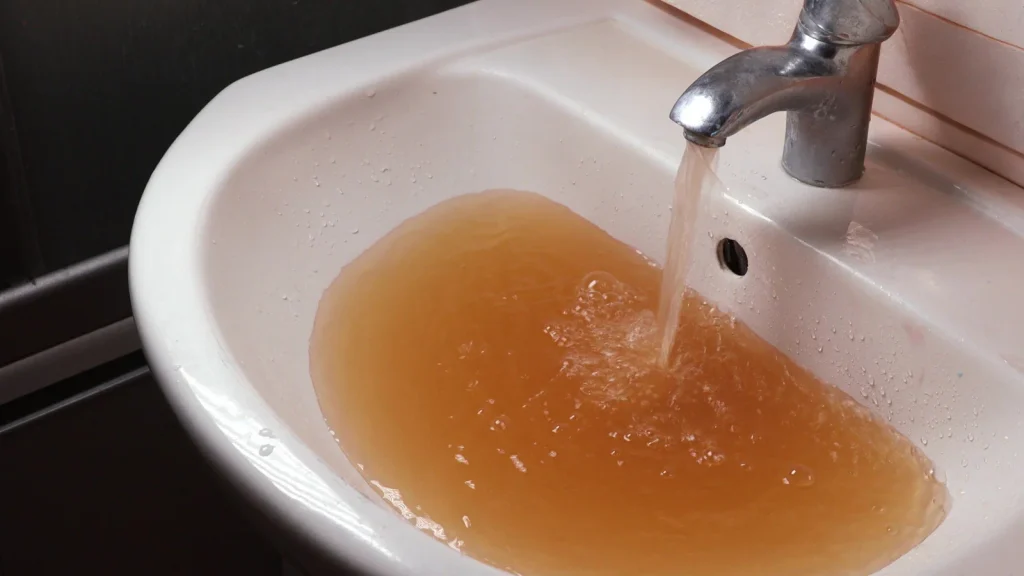
Turn on a kitchen tap in almost any modern municipality, and the water flowing into your glass carries a distinct invisible history. For more than a century, municipal water suppliers have treated municipal supplies with chlorine—a chemical addition widely credited with virtually wiping out devastating waterborne illnesses such as cholera, typhoid fever, and dysentery. Yet, despite its undeniable status as a cornerstone of public health infrastructure, chlorine frequently frustrates homeowners and apartment dwellers alike. The sharp, swimming-pool odor and medicinal tang running from the faucet can ruin a cup of morning coffee, dry out sensitive skin, and leave people wondering whether their tap water is truly as pleasant and pure as it should be.
Understanding what chlorine does, why utilities use it, and how it behaves inside building plumbing allows consumers to address taste and odor issues without compromising microbial safety. While municipal treatment plants ensure water leaving the facility complies with strict legal baselines, secondary contamination risks, changing seasonal temperatures, and building-specific plumbing quirks mean that the quality in your glass is often a personal management decision. For those looking to optimize their home water profile, a clear grasp of water chemistry and filtration technology provides a path toward crisp, odor-free hydration.
The Public Health Case: Why Utilities Add Chlorine to Tap Water
Before considering how to remove chlorine, it is crucial to recognize why it is there in the first place. Surface waters—such as reservoirs, lakes, and rivers—naturally teem with microorganisms, including bacteria, viruses, and protozoan parasites. Even pristine groundwater supplies can become vulnerable to pathogen ingress during transport. When municipal treatment facilities pull raw water into their plants, filtration steps remove large particulates and silt, but microscopic biological agents require reliable chemical inactivation.
Chlorine functions as a potent oxidizing agent. When added to water, it forms hypochlorous acid and hypochlorite ions, which penetrate microbial cell walls, deactivate essential enzymatic proteins, and dismantle the cellular structures that allow pathogens to reproduce. Federal and state regulations mandate that treated water maintain a measurable “residual” concentration as it travels through miles of underground distribution mains. This secondary disinfection ensures that if a minor pressure loss, pipe fissure, or biofilm detachment occurs deep within the grid, lingering bacteria cannot multiply before the water reaches your property.
Ongoing EPA scientific research on water systems tracks how chemical disinfectants interact with emerging pathogens and legacy infrastructure across varying climates. Utilities must balance providing enough chlorine to keep tap lines sterile without exceeding the Maximum Residual Disinfectant Level (MRDL) of 4.0 milligrams per liter (mg/L), or parts per million (ppm). In practice, most municipal water registers between 0.5 and 2.0 ppm at the consumer point of entry. While safe from an acute biological standpoint, this concentration is more than enough for human olfactory systems to detect immediately.
Free Chlorine vs. Chloramines: Understanding What Is in Your Line
Not all chemical chlorination uses the exact same compound. Over the past three decades, hundreds of water systems have transitioned from “free chlorine” to “chloramines”—a chemical mixture formed by blending chlorine with precise ratios of ammonia. Understanding which additive enters your home dictates how you approach odor control and water filtration.
- Free Chlorine: Highly reactive, aggressive at killing microorganisms, and prone to rapid dissipation. It readily gasses off into ambient air when left in an open pitcher or boiled. Free chlorine produces that sharp, bleached scent common in swimming facilities.
- Chloramines (Combined Chlorine): Significantly more stable and longer-lasting throughout sprawling urban pipe networks. Chloramines form far fewer regulated disinfection byproducts (DBPs) when interacting with natural organic matter. However, chloramines do not evaporate easily, take much longer to dissipate naturally, and require specialized filtration media for effective removal.
Because chloramines bind tightly in solution, traditional aeration techniques or simple pitch-and-pour filters often fail to neutralize their earthy, chemical undertones. Discerning which additive your city uses is as simple as reviewing your municipality’s annual Consumer Confidence Report (CCR) or utilizing public EPA water quality data and monitoring tools to inspect historic treatment profiles in your local watershed.
The Palatability Problem: Why Chlorinated Water Tastes and Smells Unpleasant
Human beings possess an acute sensitivity to chlorinated compounds. Some individuals can detect free chlorine at concentrations as low as 0.2 ppm, far below standard regulatory ceilings. The resulting taste profile is frequently described as medicinal, metallic, astringent, or caustic. When used for cooking, heavily chlorinated water can bleach delicate greens, compromise bread yeast viability, and alter the delicate aromatic compounds in tea leaves and specialty coffee roasts.
Furthermore, chlorine reacts with organic compounds already present in source water, creating trihalomethanes (THMs) and haloacetic acids (HAAs). These disinfection byproducts can impart lingering chemical aftertastes and have generated long-term health scrutiny. In urban and suburban settings, runoff carrying soil elements and fertilizer degrades source water quality, making comprehensive oversight vital; tracking broader initiatives like EPA agricultural water quality practices illustrates how upstream land management directly influences the chemical load downstream treatment facilities must counteract.
Temperature swings also amplify the sensory problem. During warm summer months, higher ambient temperatures accelerate biological growth in distribution reservoirs, often compelling utilities to bump up their dosing rates. Simultaneously, warm water volatizes dissolved gases more quickly, releasing an immediate plume of vapor when you turn on a hot shower or rinse dishes in the sink.
Building Infrastructure and Secondary Contamination Realities
Chlorine entering a private property does not stay static. Inside complex interior pipe networks, chlorine interacts continuously with copper lines, galvanized steel, brass fittings, and elastomeric seals. In older infrastructure, this ongoing oxidation can contribute to pipe pitting and the leaching of trace heavy metals. Investigating water quality in older buildings highlights how aging pipe arrays often consume chlorine residuals unevenly, leaving stagnation zones in low-use risers where bacterial biofilms can quietly establish themselves despite initial treatment.
This dynamic creates a peculiar paradox: while water at the curb contains a strong chemical disinfectant, stagnation within multi-story risers, roof tanks, and storage reservoirs can exhaust the disinfectant residual. Property managers who need to verify structural safety and regulatory compliance frequently coordinate with certified environmental testing laboratories. Conducting professional Legionella water testing in Brooklyn has become standard protocol for commercial building operators, residential complexes, and healthcare settings seeking to evaluate whether domestic hot and cold systems harbor opportunistic pathogens behind protective mineral scale.
When disinfectant levels fluctuate within multi-family dwellings, tenants often experience inconsistent sensory cues—heavy chemical smells on Monday followed by stale, cloudy water on Thursday. Addressing these anomalies requires distinguishing between city-wide distribution trends and localized building plumbing characteristics.
Health Considerations: Ingestion, Inhalation, and Dermal Absorption
While public health agencies confirm that drinking chlorinated tap water within regulated bounds does not pose acute toxic risks, sensitive populations frequently report adverse secondary effects. When washing dishes or showering, hot water aerosolizes dissolved chlorine and volatile organic compounds into enclosed spaces, creating vapor that can irritate bronchial passages, exacerbate asthma, and irritate ocular membranes.
Dermal exposure presents another common frustration. Chlorine strips natural sebum and protective lipid barriers from the epidermis and hair follicles. Individuals dealing with eczema, psoriasis, or chronic dry skin frequently notice increased irritation, flaking, and redness after prolonged contact with chlorinated water. In such cases, dermatologists and holistic health practitioners often suggest evaluating bathroom filtration to minimize topical exposure. Those exploring comprehensive wellness practices can review our broader collection of water quality blog articles for detailed breakdowns on residential water optimization and contaminant profiles.
When physical symptoms persist, residents should consult certified medical professionals to rule out underlying clinical conditions, rather than attributing systemic health complaints solely to municipal tap water. Water specialists can analyze physical samples, while doctors address human physiological responses.
Testing Your Tap: Moving Beyond Guesswork
Before purchasing expensive filtration hardware, consumers should verify their baseline water chemistry. Do-it-yourself test kits, colorimetric test strips, and digital pocket colorimeters can give you an immediate snapshot of free and total chlorine levels at your tap. If total chlorine is significantly higher than free chlorine, your water contains chloramines or has reacted extensively with interior pipe scale.
However, simple color strips do not reveal the entire picture. They cannot measure heavy metals, microscopic parasites, volatile organic compounds, or disinfection byproducts with laboratory accuracy. Coordinating comprehensive water testing for condominiums in NYC ensures that residential boards and property owners identify not only disinfectant residuals but also lead, copper, and microbial indicators throughout distinct pressure zones and rooftop water towers.
To determine what type of test matches your plumbing setup, consult our comprehensive water testing and safety FAQ, which covers sampling procedures, bottle preservation techniques, and how to interpret laboratory detection limits.
Removal Options: From Simple Low-Tech Fixes to Whole-House Systems
Eliminating chlorine and chloramines from drinking and bathing water is straightforward once you select the right technological approach for your household size, budget, and dwelling type. Below is an engineering overview of the primary methods used to restore natural palatability.
1. Evaporation and Aeration (Free Chlorine Only)
Because free chlorine is an unstable dissolved gas, leaving water uncovered in a glass carafe at room temperature allows the chemical to off-gas naturally over 24 to 48 hours. Boiling water rapidly speeds up this process, driving out chlorine gas within 15 to 20 minutes of a vigorous rolling boil. However, this strategy is ineffective against chloramines, consumes energy, and does nothing to eliminate heavy metals or sediment.
2. Activated Carbon Filtration (Pitchers, Faucets, and Countertop Units)
Activated carbon represents the gold standard for residential chlorine abatement. Derived from bituminous coal, wood, or coconut shells, activated carbon is treated to develop an immense internal network of micropores. As water passes through the carbon bed, chlorine undergoes a catalytic reduction reaction, converting corrosive hypochlorous acid into inert, harmless chloride ions (similar to ordinary table salt dissolved in water).
Standard carbon block filters excel at clearing free chlorine, unpleasant odors, and organic tastes. They are inexpensive, easy to replace, and fit conveniently into countertop pitchers, faucet attachments, and refrigerator dispensers. However, ensure that the product carries NSF/ANSI Standard 42 certification for aesthetic effects (chlorine, taste, and odor reduction).
3. Catalytic Carbon for Chloramine Destruction
If your municipal provider treats water with chloramines, standard activated carbon will exhaust its capacity rapidly, leaving chemical odors behind. Catalytic carbon is a specialized surface-modified carbon structure designed to accelerate chemical kinetics. It breaks down the strong chemical bond between chlorine and ammonia, neutralizing chloramine molecules efficiently without requiring excessively long contact times. While marginally more expensive, catalytic carbon is essential for anyone dealing with chloraminated municipal lines.
4. Reverse Osmosis (RO) Undersink Systems
For pristine drinking and cooking water, multi-stage reverse osmosis systems combine sediment pre-filters, carbon blocks, a semipermeable thin-film composite (TFC) membrane, and a final polishing filter. The carbon pre-filters neutralize chlorine before it contacts the delicate polyamide RO membrane (which would otherwise degrade from chemical oxidation). The membrane then filters out dissolved solids, nitrates, fluorides, and microplastics. Reverse osmosis delivers exceptionally clean, crisp water, though it generates a reject brine stream and strips beneficial alkaline minerals, which many users prefer to replenish via a remineralizing cartridge.
5. Whole-House Filtration Systems (Point of Entry)
For comprehensive protection that covers drinking glasses, cooking pots, bathroom sinks, and hot showers, a Point of Entry (POE) whole-house backwashing carbon filter is the ultimate solution. Plumbed directly into the main water line where it enters the residence, these large media tanks treat every drop entering the home. Benefits include protecting water heater tanks from corrosive chlorine, prolonging the lifespan of plumbing gaskets, and eliminating chemical vapors during hot baths.
Step-by-Step Guide: Selecting the Right Filtration Strategy
- Review Your Local Water Report: Locate your annual Consumer Confidence Report to determine whether your utility uses free chlorine or chloramines, and note average residual concentrations.
- Define Your Target Scope: Decide whether your goal is solely improving the taste of drinking water at a single tap (Point of Use) or addressing skin dryness, shower vapors, and plumbing protection across the entire property (Point of Entry).
- Verify Third-Party Certifications: Look for independent validation stamps from the National Sanitation Foundation (NSF) or the Water Quality Association (WQA). Insist on NSF/ANSI 42 for chlorine/odor abatement and NSF/ANSI 53 for health-related chemical contaminants.
- Calculate Ongoing Maintenance Commitments: All carbon filters eventually saturate. Saturated carbon beds can become breeding grounds for heterotrophic bacteria if neglected. Factor replacement filter costs and cartridge lifespans into your long-term operating budget.
- Consult Professional Guidance: When facing complex plumbing layouts, private wells, or mixed municipal water supplies, seek verified advice through specialized drinking water safety resources before investing thousands in proprietary hardware.
Balancing Municipal Protection with Personal Preference
Municipal water chlorination remains one of humanity’s most effective public health interventions, shielding millions of residents daily from crippling microbial contamination. Yet accepting the collective necessity of community disinfection does not mean you must tolerate harsh chemical notes, tainted coffee, or irritated skin in your private living space.
By pairing municipal disinfection at the utility scale with targeted, well-maintained carbon or reverse osmosis filtration at the home level, consumers achieve the best of both worlds: complete biological safety from the city main, paired with the crisp, refreshing palatability of pure spring water straight from their own tap. If you are experiencing persistent odors, unexplained discoloration, or desire an unbiased laboratory evaluation of your building’s supply, take a moment to contact us to explore custom diagnostics and tailored treatment recommendations.