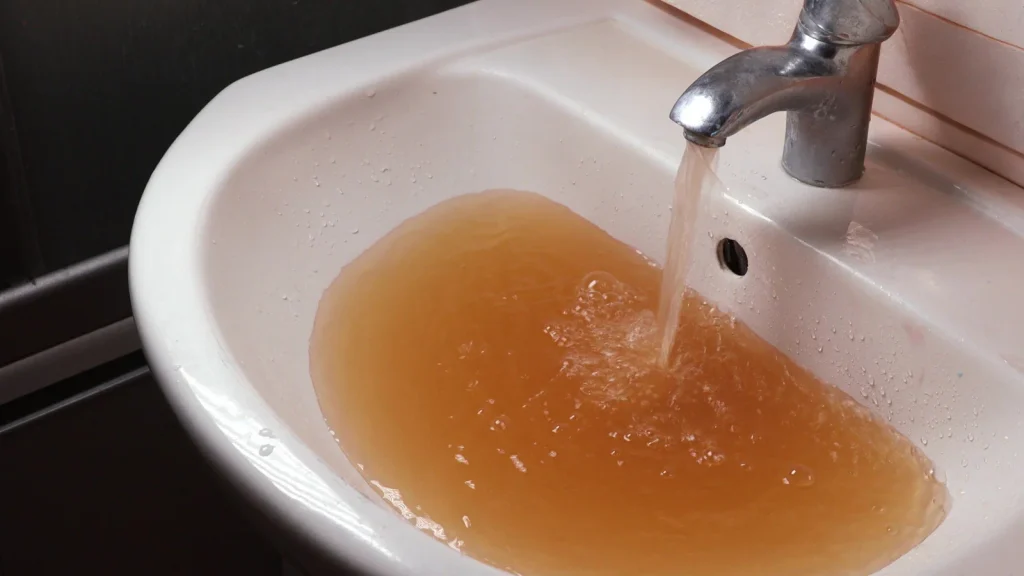
Across urban municipal grids, rural agricultural belts, and aging industrial corridors, an invisible chemical footprint shapes the quality of modern drinking water. While biological pathogens like bacteria or parasites often trigger acute gastrointestinal outbreaks that prompt immediate boil-water notices, synthetic chemical contaminants behave very differently. Pesticides, halogenated solvents, petrochemical derivatives, and heavy industrial byproducts frequently seep into groundwater aquifers and municipal reservoirs undetected. Colorless, odorless at low concentrations, and biologically persistent, these compounds accumulate silently, turning routine hydration into a long-term chronic exposure pathway.
Understanding the pathways, behaviors, and health implications of these chemical compounds requires peeling back the complex mechanics of environmental hydrogeology and industrial chemical transport. Unlike surface particulates that settle in a standard holding basin or biological organisms neutralized by basic chlorination, industrial synthetic chemicals resist conventional treatment barriers. Addressing them demands rigorous analytical detection, disciplined watershed monitoring, and targeted point-of-use or whole-facility filtration strategies tailored to the molecular weight and volatility of each specific threat.
The Anatomy of Modern Chemical Contaminants
Modern water contaminants broadly divide into distinct classes based on their chemical origins, functional groups, and how they interact with soil matrices and municipal distribution systems. Industrial activity and mechanized agriculture produce thousands of distinct compounds, but three primary categories drive the majority of contamination incidents across public supplies and private wells:
- Agricultural Pesticides and Herbicides: Synthetic crop-protection chemicals designed to eliminate weeds, insects, and fungi. Common culprits include triazine herbicides such as atrazine, organophosphates like malathion and chlorpyrifos, glyphosate formulations, and legacy organochlorines like dieldrin and chlordane. These compounds move from cropland into waterways through surface runoff during heavy storms or percolate downward into subsurface aquifers over years of continual soil application.
- Volatile Organic Compounds (VOCs) and Industrial Solvents: Highly volatile carbon-based liquids widely used in degreasing, dry cleaning, metal finishing, paint manufacturing, and electronics fabrication. Prominent compounds include trichloroethylene (TCE), tetrachloroethylene (perchloroethylene or PCE), benzene, toluene, ethylbenzene, xylenes (BTEX), and vinyl chloride. Their low boiling points and distinctive volatility make them notorious for vapor migration through soil pore spaces into shallow aquifers.
- Refractory Industrial Waste and Byproducts: Synthetic persistent chemicals manufactured for fire-fighting foams, surfactants, hydraulic fluids, and manufacturing intermediates. This category encompasses per- and polyfluoroalkyl substances (PFAS/PFOA), polychlorinated biphenyls (PCBs), dioxins, and plasticizers like phthalates and bisphenol A (BPA). Due to exceptionally strong carbon-fluorine or chlorinated bonds, these substances do not readily break down under ambient conditions, earning them the moniker “forever chemicals.”
For property managers, environmental engineers, and concerned property owners seeking actionable information, our archive of water quality blog articles details how regional land-use patterns directly influence source-water vulnerability profiles across diverse geographical regions.
Hydrogeological Pathways: How Solvents and Agrochemicals Enter Water Supplies
Chemical contamination does not happen in isolation. The physical pathways connecting a spilled industrial solvent drum or a sprayed agricultural field to a residential kitchen tap depend entirely on local hydrogeology and infrastructure integrity. When synthetic compounds enter the soil, their movement is governed by their solubility, volatility, and organic carbon-water partitioning coefficient (Koc).
Surface Runoff and Macropore Flow
During heavy rainfall or seasonal snowmelt, agricultural chemicals applied to topsoil dissolve into surface waters or bind to dislodged soil sediments. This wash-off pours directly into drainage canals, creeks, and municipal intake reservoirs. In areas with fractured bedrock, karst topography, or coarse gravel layers, dissolved pesticides bypass natural soil filtration through macropores, plunging deep into subterranean aquifers within hours of application.
Dense and Light Non-Aqueous Phase Liquids (DNAPLs vs. LNAPLs)
Industrial solvents behave according to their density relative to water. Understanding this distinction is fundamental to any VOC detection and remediation protocol:
- LNAPLs (Light Non-Aqueous Phase Liquids): Petroleum hydrocarbons like gasoline, diesel, and benzene have a specific gravity lower than 1.0, meaning they float on top of the water table. When underground storage tanks leak, LNAPLs form floating lenses that volatilize into soil vapor or slowly dissolve into the underlying groundwater flow gradient.
- DNAPLs (Dense Non-Aqueous Phase Liquids): Chlorinated solvents like TCE, PCE, and carbon tetrachloride possess densities significantly higher than water. When released from dry cleaners, machine shops, or industrial dump sites, DNAPLs sink downward through permeable soil and the saturated groundwater zone until they hit impermeable clay layers or bedrock shelves. Once settled at the bottom of an aquifer, DNAPL pools act as long-term, continuous dissolution sources that can pollute groundwater plumes for decades.
Federal drinking water frameworks establish baseline benchmarks for identifying these subsurface movements. Facilities drawing from underground aquifers must align their sampling with EPA Ground Water Rule health criteria to ensure that hydrogeological vulnerabilities do not expose downstream users to unmonitored subsurface plumes.
Health Implications and Toxicological Profiles
The health risks associated with chemical contaminants in water differ fundamentally from microbial hazards. While drinking water tainted with coliform bacteria may induce severe cramping and dehydration within 24 to 48 hours, exposure to pesticides, industrial solvents, and persistent chemical waste typically operates on a chronic, cumulative timeline. Health outcomes depend upon duration of exposure, chemical synergy, genetic predisposition, and total lifetime body burden.
Medical research links long-term ingestion of trace chlorinated solvents, particularly TCE and vinyl chloride, to elevated risks of renal cell carcinomas, liver malignancies, and non-Hodgkin lymphoma. Neurological symptoms such as persistent cognitive fog, sensory neuropathy, and impaired motor coordination are frequently documented in populations consuming solvent-impacted well water over extended timelines. Meanwhile, agricultural herbicides like atrazine act as potent endocrine disruptors, interfering with hormonal signaling pathways, reproductive vitality, and fetal development during critical gestational windows.
Because synthetic chemicals rarely exist in complete isolation within a compromised water system, multiple contaminants can exhibit cumulative toxicological interactions. If you or your family members suspect health complications stemming from contaminated water consumption, immediately consult qualified medical physicians or occupational toxicologists. Concurrently, you should review comprehensive drinking water safety resources to identify regional contaminant advisories and accredited laboratory networks capable of quantifying your exact exposure levels.
Urban Infrastructure and Legacy Plumbing Risks
While industrial chemical runoff is often characterized as a rural or suburban problem, dense urban centers face unique structural vulnerabilities. Contaminants do not solely enter the system at the reservoir; they can be introduced or magnified during transmission through century-old distribution mains, cross-connections, and legacy service lines.
In older commercial districts and dense metropolitan boroughs, subsurface petroleum plumes from historical filling stations and industrial dry cleaners can permeate subterranean plastic supply pipes or enter subterranean mains through pressure drops and vacuum back-siphonage. Furthermore, chemical reactions between chlorinated municipal disinfectants and ambient organic pollutants can form halogenated disinfection byproducts (DBPs), such as trihalomethanes (THMs) and haloacetic acids (HAAs), directly inside closed distribution pipe networks.
Compounding these chemical interactions, legacy infrastructure often harbors heavy metal corrosion alongside organic chemical residues. Building owners seeking to identify structural chemical risks and pipe leaching often consult certified lead water testing specialists for the Bronx and adjacent municipal sectors to evaluate how stagnant distribution runs impact overall building water safety. The complex interaction between water chemistry, pipe scale, and chemical migration is especially acute when assessing water quality in older buildings, where galvanized iron, legacy lead joints, and unmapped industrial back-connections can introduce multiple competing hazards into a single plumbing riser.
Industrial Solvent and VOC Detection: Protocols and Field Sampling
Accurate identification of volatile organic compounds, synthetic pesticides, and industrial waste requires specialized instrumentation and strict chain-of-custody protocols. Because VOCs evaporate rapidly when exposed to air, casual sampling methods yield false-negative laboratory readouts.
Sampling Methodology for Volatile Compounds
When collecting samples for VOC analysis, field technicians employ 40-milliliter glass VOA (Volatile Organic Analysis) vials pre-preserved with hydrochloric acid to arrest microbial degradation. Key procedural steps include:
- Laminar Flow Collection: The faucet or sampling port must be set to a slow, non-turbulent laminar flow to prevent aeration, which strips volatile solvents out of solution.
- Zero Headspace Requirement: Vials must be filled until a positive convex meniscus forms at the brim. Once capped with a Teflon-lined septum screw cap, the vial must be inverted and tapped gently. If any air bubbles—no matter how minuscule—are visible, the sample is compromised and must be recollected.
- Thermal Preservation: Samples must be immediately packed on wet ice at 4 degrees Celsius and delivered to an accredited laboratory within strict hold-time windows (typically 7 to 14 days depending on compound stabilization).
Laboratory Analytical Methods
Certified environmental laboratories rely on highly sensitive analytical instrumentation to measure synthetic contaminants at parts-per-billion (ppb) or parts-per-trillion (ppt) thresholds:
- Gas Chromatography-Mass Spectrometry (GC-MS): Used under EPA Methods 524.2 and 524.3 for purge-and-trap analysis of volatile organic compounds, industrial degreasers, and fuel additives. GC-MS separates individual molecules based on boiling points and vapor pressures, identifying them by unique molecular mass fragmentation fingerprints.
- High-Performance Liquid Chromatography-Tandem Mass Spectrometry (HPLC-MS/MS): Indispensable for non-volatile, thermally unstable, or polar compounds such as modern pesticides, glyphosate, and PFAS compounds (EPA Methods 533 and 537.1).
- Electron Capture Detection (GC-ECD): Traditionally utilized for legacy organochlorine pesticides and polychlorinated biphenyls due to its extreme sensitivity to halogenated chemical structures.
Compliance testing must always benchmark findings against established EPA chemical contaminant monitoring rules, which dictate legal Maximum Contaminant Levels (MCLs) and non-enforceable health advisories across all regulated organic and inorganic classes.
Evaluating Modern Water Filtration and Remediation Technologies
Standard mechanical sediment filters and basic pitcher carafes do not remove volatile industrial solvents, synthetic pesticides, or halogenated waste products. Eliminating synthetic organic molecules requires targeted separation physics and chemical adsorption media engineered specifically for dissolved pollutants.
Granular Activated Carbon (GAC) and Catalytic Carbon
Activated carbon remains the frontline technology for organic chemical capture. Carbon media is manufactured from bituminous coal, coconut shells, or wood, processed at extreme temperatures to create an immense internal surface area (typically 1,000 square meters per gram). As contaminated water flows through a carbon bed, dissolved non-polar molecules—including pesticides, TCE, PCE, and benzene—adsorb directly onto the carbon pore surfaces via van der Waals forces. Catalytic carbon modifications further accelerate the breakdown of complex synthetic compounds and chloramines.
Operational Note: Carbon filters have a definitive saturation threshold. Once every adsorption site is filled, “breakthrough” occurs, allowing contaminants to pass through freely or even desorb at concentrated spikes. Routine media replacement schedules calculated from total gallon throughput are mandatory.
Reverse Osmosis (RO) Membrane Separation
Reverse osmosis utilizes high pressure to force water through a semi-permeable, thin-film composite polyamide membrane featuring pore sizes around 0.0001 microns. While exceptionally effective for heavy metals, dissolved minerals, and large pesticide molecules, certain low-molecular-weight volatile solvents (such as benzene or small halogenated hydrocarbons) can occasionally pass through the membrane matrix. Consequently, high-performance RO systems always incorporate both pre-carbon and post-carbon filter blocks to ensure complete multi-barrier protection against VOCs.
Air Stripping and Packed Tower Aeration
For municipal utilities and large-scale industrial remediation wells handling high concentrations of chlorinated solvents, air stripping is an economical extraction method. Water cascades down a vertical tower packed with high-surface-area plastic media while clean air blows upward from the bottom. The volatile solvents partition out of the liquid phase into the air stream, where the exhaust gas is captured and treated with vapor-phase carbon filters before atmospheric discharge.
Actionable Steps for Homeowners, Facility Managers, and Well Owners
Proactive water stewardship requires clear, methodical actions rather than reactive assumptions. Whether managing a residential dwelling on a private well or maintaining a commercial plumbing system connected to municipal mains, adopting a structured testing and maintenance protocol guarantees early detection and mitigation of dangerous chemical exposures.
- Conduct Annual Certified Laboratory Screening: If your property relies on a private groundwater well near industrial facilities, transit corridors, or agricultural land, commission an annual comprehensive lab panel that covers EPA VOC target lists and regional pesticide compounds. Field test strips and simple TDS meters cannot detect trace chemical carcinogens.
- Audit Nearby Land-Use Changes: Monitor environmental notifications, zoning variances, and chemical storage permits within your local groundwater capture zone. Dry cleaning operations, auto salvage yards, and turf farms represent potential release sources during catastrophic storms or containment failures.
- Install Independent Point-of-Use Purification Barriers: Protect your primary drinking and cooking taps with an NSF/ANSI Standard 53 (health effects) or Standard 58 (reverse osmosis) certified filtration system specifically verified for VOC, solvent, and pesticide reduction.
- Track Filter Lifespans Using Metered Volumetric Gauges: Avoid relying on calendar dates alone to dictate filter replacements. Install volumetric gallon totalizers to track exact usage, changing media cartridges before adsorption beds reach chemical breakthrough.
- Review Standard Protocols: If you are unsure which diagnostic panel matches your specific property risks, consult our water testing and safety FAQ for comprehensive step-by-step guidance on sample collection, choosing an accredited lab, and interpreting laboratory detection limits.
Navigating chemical contaminants demands technical clarity and precise execution. If lab results indicate elevated solvent residues, pesticide traces, or unexplained water quality fluctuations in your distribution network, do not hesitate to contact us to assess your laboratory findings, audit your filtration infrastructure, and implement durable, verified purification solutions.