Preparing infant formula seems straightforward on the surface: measure the powder, add water, shake, and serve. Yet for pediatricians, toxicologists, and public health officials, the choice of water used in reconstitution represents one of the most critical environmental exposures during a child’s first year of life. An infant’s physiological vulnerability to waterborne hazards is significantly higher than that of an older child or adult. Because formula-fed infants consume large quantities of liquid relative to their small body mass, any contaminants present in the reconstitution liquid are absorbed in concentrated doses by developing organs.
Every parent wants absolute certainty that the bottle they hand their baby supports healthy development without introducing silent toxins or dangerous microbial pathogens. Navigating municipal water reports, private well maintenance, bottled water labels, and home filtration options can easily overwhelm even the most diligent caregivers. Establishing a reliable, scientifically grounded protocol for baby formula water removes guesswork and protects your infant during their most critical developmental window.
The Infant Physiological Vulnerability: Why Water Standards Differ for Babies
Infants are not simply miniature adults; their biological processes handle environmental inputs in fundamentally distinct ways. Understanding these differences clarifies why standard tap water guidelines designed for general adult populations may fail to adequately protect a formula-fed baby.
- Higher Fluid Intake per Kilogram: Pound for pound, an infant drinks roughly seven times more water than an adult relative to total body weight. This high consumption rate magnifies the chemical intake of any dissolved contaminants.
- Immature Renal Filtration: A newborn’s kidneys operate at a fraction of adult glomerular filtration capacity. Immature kidneys struggle to excrete excess minerals, electrolytes, and heavy metals, heightening the risk of physiological imbalance.
- Developing Blood-Brain Barrier: During early infancy, the protective endothelial barrier separating circulating blood from neural tissue remains porous, allowing neurotoxic compounds like lead to penetrate delicate brain structures with devastating efficiency.
- Underdeveloped Gut Microbiome and Gastric Acidity: Lower stomach acidity reduces a baby’s natural defense against ingested bacteria, leaving their gastrointestinal tract far more susceptible to opportunistic pathogens.
Because formula reconstitution introduces these liquids directly into a vulnerable digestive tract daily, caregivers must scrutinize their water source with the same rigor applied to selecting formula itself.
Municipal Tap Water: Testing, Plumbing Risks, and Hidden Hazards
For millions of households, public tap water serves as the baseline supply. Municipal water authorities treat and monitor supplies under strict federal oversight, maintaining alignment with National Primary Drinking Water Regulations. However, municipal safety reports reflect water quality when it leaves the municipal treatment facility—not when it flows out of your residential kitchen faucet.
The Problem of Aging Service Lines and Fixtures
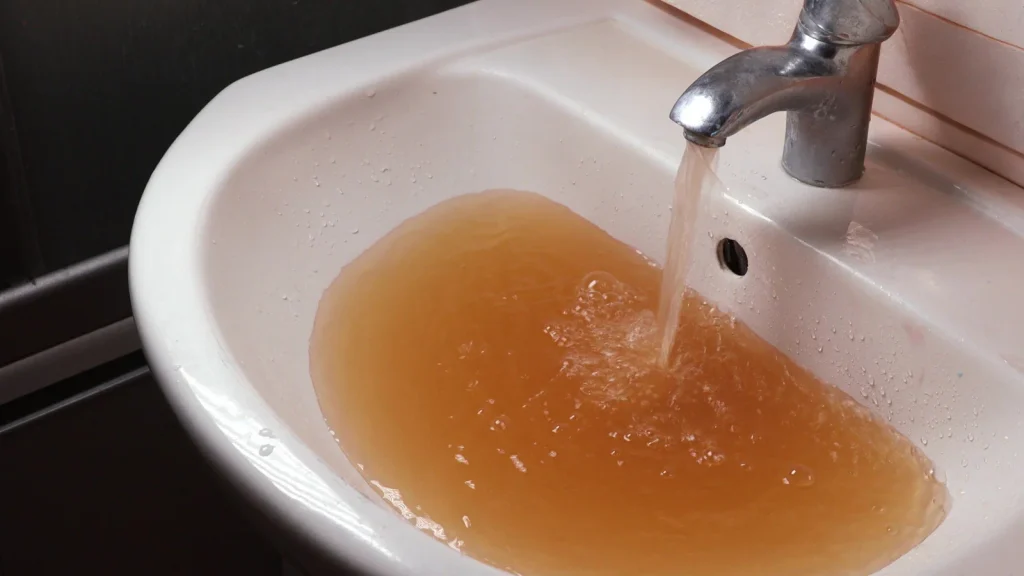
The journey from the municipal water main to your infant’s bottle involves utility distribution pipes, private service lines, interior plumbing, and brass fixtures. Homes constructed before the mid-1980s frequently contain lead service lines, copper pipes joined with lead solder, or older brass faucets containing significant lead percentages. As water sits motionless overnight in plumbing, heavy metals leach directly into the column of water standing in your pipes.
Lead exposure carries catastrophic consequences for infants, including irreversible cognitive deficits, behavioral challenges, and developmental delays. Lead has no safe threshold in early childhood. If you reside in an urban center or an older neighborhood, evaluating building infrastructure is mandatory. Parents living in historic neighborhoods frequently need specialized local assessments; for instance, a resident might decide to get my Queens drinking water tested for lead before bringing an infant home to avoid exposing the baby to aging distribution infrastructure.
To deepen your understanding of structural pipe risks, reviewing guides on water quality in older buildings offers invaluable context regarding how galvanized iron, copper corrosion, and historical soldering techniques directly influence household tap safety.
Disinfection Byproducts and Fluoride Concentrations
Beyond plumbing metals, municipal systems rely on chemical disinfectants like chlorine or chloramines to destroy waterborne pathogens. While necessary for microbial control, these disinfectants react with trace organic matter to produce disinfection byproducts such as trihalomethanes and haloacetic acids. While regulated for general health, minimizing unnecessary exposure in infant nutrition remains a sound preventative health measure.
Fluoride presents another nuanced consideration. While municipal fluoridation prevents dental caries across the general public, formula reconstituted exclusively with fluoridated tap water can deliver excess fluoride during tooth enamel formation. The American Academy of Pediatrics and the American Dental Association note that prolonged consumption of fluoridated water in powdered formula can increase the incidence of mild enamel fluorosis—faint white streaks or lines across permanent teeth. When using concentrated liquid or powdered formula, alternating between fluoridated tap water and low-fluoride bottled water helps balance dental benefits against excessive intake.
Private Well Water: Mandatory Steps for Rural and Suburban Families
Private wells offer independent water access, but they carry complete personal responsibility for monitoring and treatment. Unlike public systems, private wells receive no municipal monitoring, routine biological testing, or automatic treatment adjustments under federal statutory mandates.
Families utilizing private wells must actively review EPA recommendations for private well owners to design an adequate testing schedule. For infants, unmonitored wells present two primary life-threatening risks: nitrate poisoning and microbiological contamination.
Nitrates and Infant Methemoglobinemia
Nitrates and nitrites frequently enter groundwater tables through agricultural fertilizer runoff, animal feedlot leaching, and failing residential septic drain fields. In an infant’s digestive system, benign bacteria convert nitrate into nitrite, which binds with hemoglobin to create methemoglobin. Unlike normal hemoglobin, methemoglobin cannot efficiently carry oxygen to peripheral tissues and vital organs.
This condition, known clinically as methemoglobinemia or “blue baby syndrome,” leads to rapid oxygen deprivation, noticeable bluish skin discoloration, lethargy, respiratory distress, and potential mortality if untreated. Never boil well water suspected of high nitrate levels; boiling evaporates pure water vapor and actively concentrates the remaining nitrates into a higher toxicity per ounce.
Microbiological Pathogens in Groundwater
Coliform bacteria, Escherichia coli, and protozoan parasites like Giardia lamblia can infiltrate shallow or poorly sealed wells following heavy seasonal rainfall or structural casing failure. While an adult may weather a mild bout of gastroenteritis, an infant suffering from microbial dysentery can experience severe, life-threatening dehydration within hours. Private well water must be professionally tested for total coliforms, nitrates, lead, and volatile chemicals prior to preparing infant feedings.
Commercial Bottled Water: Distilled, Purified, and Spring Water Demystified
When municipal tap water or private wells raise questions, many parents purchase commercial bottled water. However, grocery store shelves display various product designations that are not interchangeable when preparing infant formula.
- Distilled Water: Water heated to steam and condensed back into liquid, leaving behind dissolved minerals, heavy metals, synthetic chemicals, and microbial organisms. Distilled water provides a pure baseline that does not alter the carefully calculated mineral matrix of infant formula.
- Purified Water: Water treated by deionization, reverse osmosis, or distillation to remove all impurities and lower dissolved solids to virtually zero. If clearly marked as demineralized or reverse-osmosis purified, it is an exceptional option for reconstitution.
- De-fluoridated Nursery Water: Bottled specifically for infant feeding, this water has had minerals stripped and fluoride removed. Some commercial brands offer bottles with added fluoride; check labels carefully to ensure you select the unfluoridated variety unless explicitly directed otherwise by your pediatrician.
- Natural Spring and Mineral Water: Sourced directly from underground geological formations, these waters contain unpredictable concentrations of calcium, magnesium, sulfates, and sodium. Their rich mineral profiles can overtax immature infant kidneys and disrupt the exact nutrient ratios engineered into commercial formula powders. Avoid using standard spring or mineral water for infant bottles.
Caregivers seeking detailed comparisons of water filtration methods and contaminant categories can explore comprehensive water quality blog articles that break down reverse osmosis membranes versus physical carbon blocks.
In-Home Water Filtration Systems: What Works and What Fails
Relying on residential filtration systems offers peace of mind, provided caregivers understand the performance boundaries of each filtration mechanism. No single standard filter removes every contaminant.
Pitcher Filters and Activated Carbon
Standard gravity-fed countertop pitchers and refrigerator door dispensers primarily use granular activated carbon. These systems excel at reducing aesthetic chlorine taste, odor, and select organic chemicals. However, basic entry-level pitchers do not remove nitrates, heavy metals, microbial cysts, or fluoride unless certified under rigorous specialized standards.
Standard carbon systems also demand meticulous maintenance. Saturated filter cartridges eventually stop adsorbing impurities and can begin sloughing trapped contaminants back into filtered water, alongside harbored bacterial biofilm that thrives inside damp filter housings.
Reverse Osmosis and Distillation Units
For comprehensive home purification, point-of-use reverse osmosis (RO) systems coupled with multi-stage pre-filters and carbon polishing blocks represent the gold standard. A high-efficiency semi-permeable RO membrane eliminates heavy metals, arsenic, nitrates, per- and polyfluoroalkyl substances (PFAS), microplastics, and dissolved minerals.
Distillation countertops offer similar contaminant reduction through physical thermal separation. Both systems effectively return water to a clean slate, ensuring that only the intentional nutritional components of the formula powder reach your baby’s stomach.
For a detailed breakdown of chemical compounds and treatment technologies, read this overview of common contaminants, which outlines molecular filtration thresholds for residential units.
Safe Preparation Protocols: The Boiling Method and Sterilization
Selecting pure water is only half the safety equation; preventing microbiological contamination during preparation completes the defense. Powdered infant formula is not sterile. Manufacturing processes can occasionally leave harmless background microflora or, in rare cases, pathogenic bacteria like Cronobacter sakazakii or Salmonella enterica inside sealed formula cans.
To eliminate bacterial risks from both the water source and the powdered formula itself, public health authorities advocate following an evidence-based thermal preparation protocol, particularly for infants under two months of age, premature babies, or those with compromised immune systems.
Step-by-Step Safe Water Preparation
- Run the Cold Tap: If using municipal tap water, always open the cold water line and allow it to run vigorously for 60 to 90 seconds before collecting water. Flushing expels water that sat stagnant in indoor pipes and fixture solder. Never use hot tap water for cooking or formula preparation, as hot water leaches metals from internal plumbing and water heater tanks at an accelerated rate.
- Bring to a Rolling Boil: Place fresh cold water into a clean kettle or pot. Bring it to a rolling boil for a full 60 seconds (or three minutes at altitudes above 6,500 feet). Boiling kills active vegetative pathogens, bacteria, and viral particles. Remember: boiling removes biological agents but concentrates heavy metals and nitrates, so only boil water known to be chemically safe.
- Cool to the Critical Temperature: Allow the boiled water to cool down in a covered container, but do not let it cool below 70°C (158°F). This typically takes roughly 15 to 30 minutes after boiling. Water at or above 70°C effectively destroys any dangerous Cronobacter bacteria lurking inside dry formula powder during mixing.
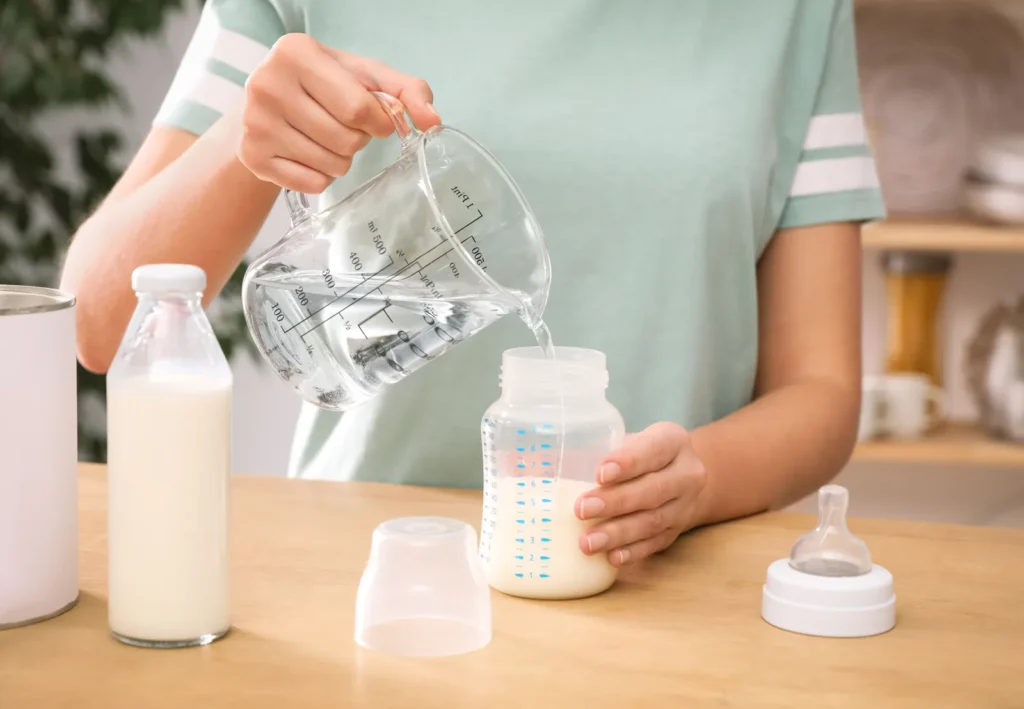
- Incorporate Formula Powder: Pour the calculated volume of hot water into a sterilized feeding bottle, add the measured formula powder, affix the teat and collar, and shake thoroughly to dissolve.
- Rapidly Cool the Prepared Bottle: Immediate feeding at 70°C would severely burn an infant’s mouth and esophagus. Hold the capped bottle under cold running tap water or submerge it in an ice bath, keeping the water level below the bottle cap to prevent contamination. Check the temperature by sprinkling a few drops onto the inside of your wrist; it should feel comfortably lukewarm before feeding.
Ensuring Long-Term Water Safety: Practical Takeaways for Families
Safeguarding the water your baby drinks requires proactive verification rather than passive assumption. Implementing straightforward habits creates an enduring wall of protection around your nursery:
- Consult Official Treatment Data: Review your annual Consumer Confidence Report published by your public utility to understand how local treatment aligns with EPA drinking water regulations and compliance rules.
- Test Before You Pour: Independent lab testing provides the only definitive assessment of residential plumbing and private well chemistry. Test for lead, copper, coliform bacteria, nitrates, and local volatile contaminants.
- Replace Filtration Media Religiously: If you use countertop pitchers, under-sink units, or whole-home systems, log filter replacement dates on a digital calendar. Never run an infant’s water through an expired filtration cartridge.
- Choose Low-Mineral Distilled Water on the Go: When traveling or caught without access to verified tap facilities, carry commercially sealed distilled or purified infant water rather than unverified restaurant, airport, or hotel tap supplies.
- Maintain Transparent Pediatric Communication: Share your home water source details during regular well-child visits. Pediatricians provide targeted guidance on local fluoride dynamics, seasonal well alerts, and necessary mineral supplementation.
Parents seeking additional answers to common purification inquiries and sample collection steps can reference our water testing and safety FAQ for clear, actionable steps on verifying residential supplies.
Providing safe, balanced water for infant formula reconstitution does not require complex industrial chemistry. By assessing your incoming water line, utilizing high-grade targeted purification, and adhering to strict sanitary preparation methods, you ensure that every bottle nourishes your baby safely and cleanly throughout their formative months.